How does Damascus steel differ from high-carbon mono steel in a katana?
Updated Mar 2026
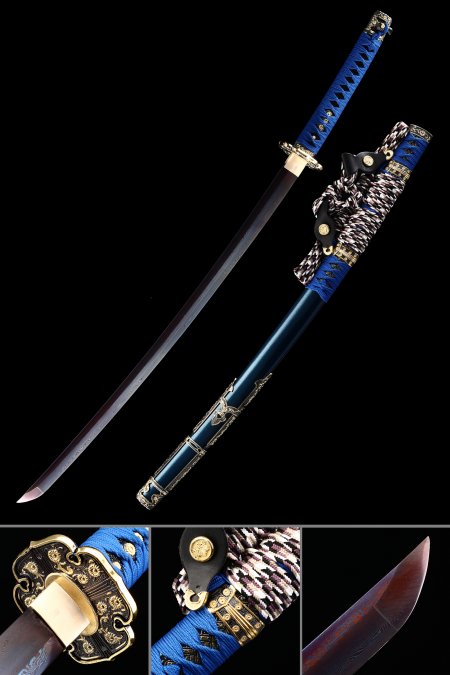
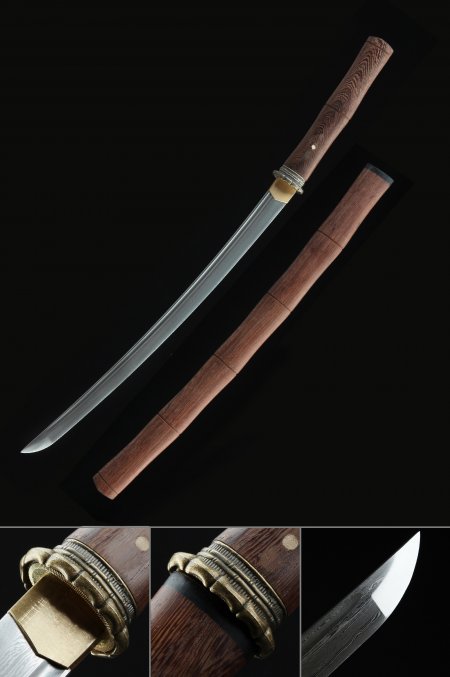
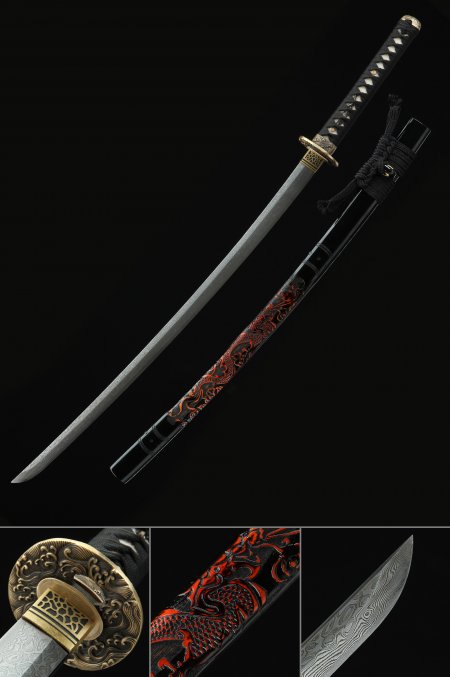
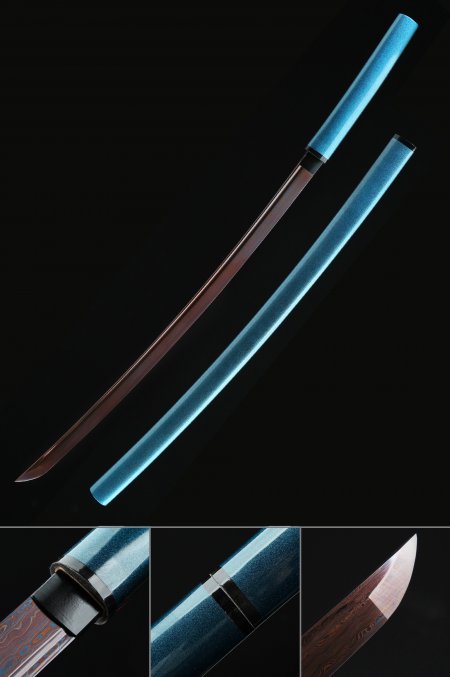
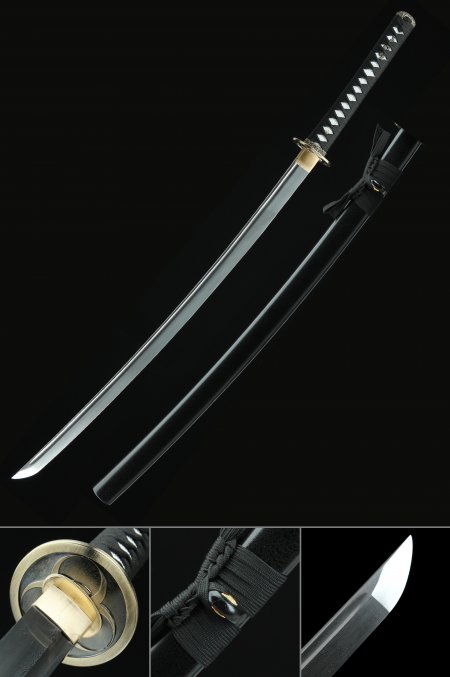
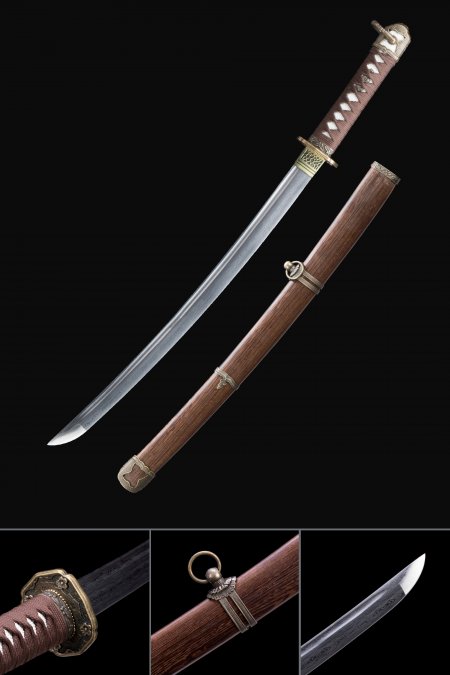
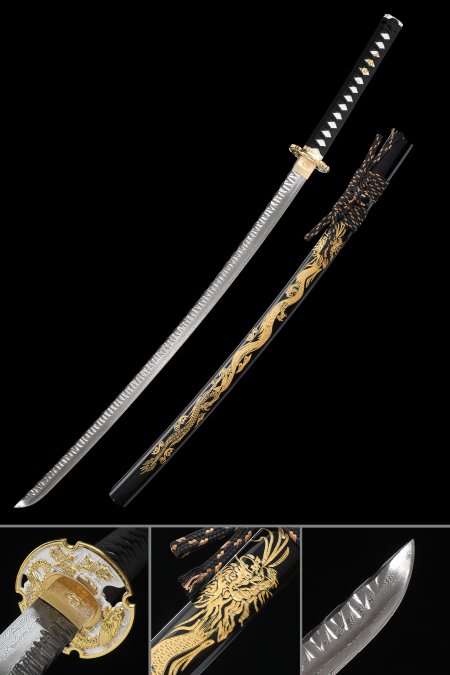
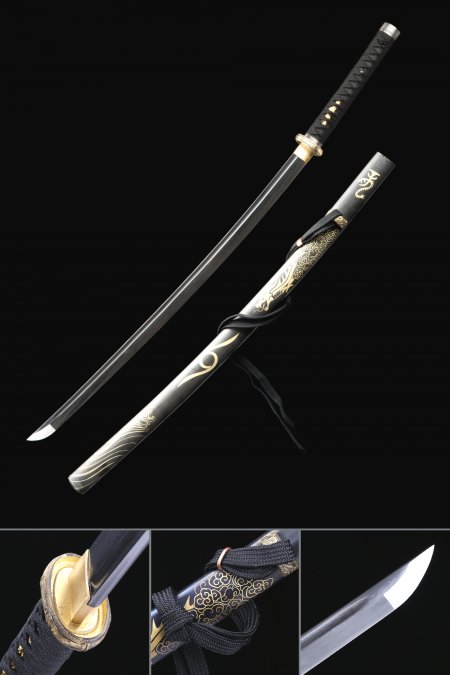
Mono-steel katana are forged from a single billet of steel—commonly 1060, 1075, or 1095 high-carbon steel—and produce a uniform, clean surface after polishing. Damascus steel, by contrast, is created by forge-welding two or more steel types together, then folding and drawing out the billet repeatedly. This process creates alternating layers that become visible as a flowing, organic surface pattern once the blade is etched. The visual complexity is the primary distinguishing characteristic for collectors. In terms of performance as a display and collectible piece, both constructions offer comparable structural integrity when properly heat-treated; the Damascus version simply carries an additional layer of visual craftsmanship that mono-steel cannot replicate.