How is a naginata different from a katana structurally?

 Updated Mar 2026

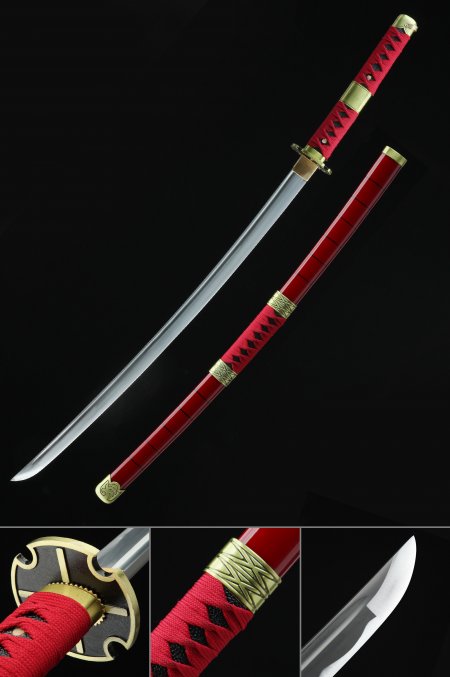
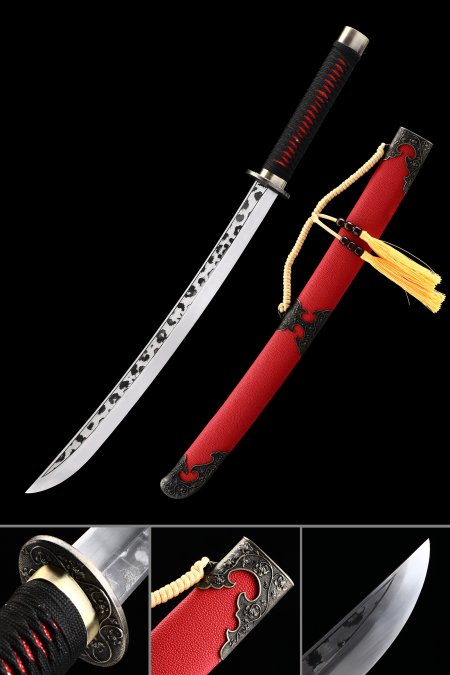
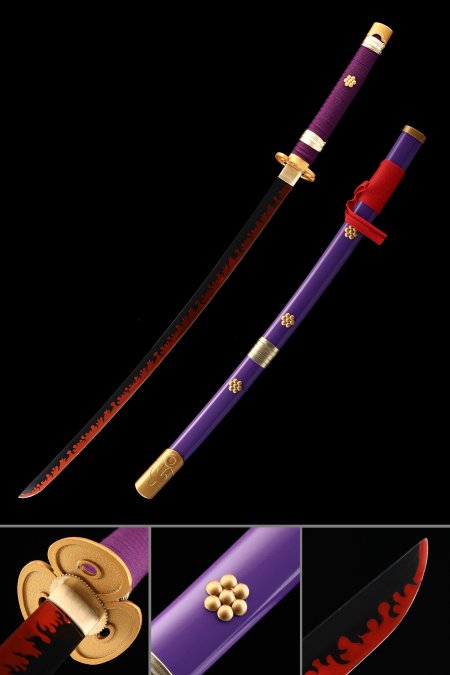
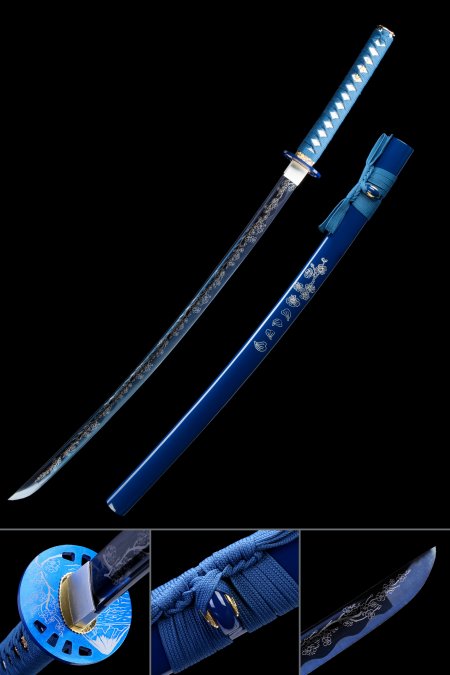
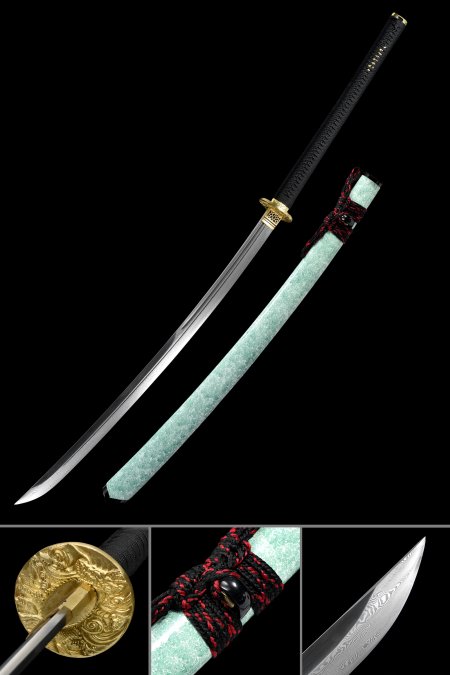
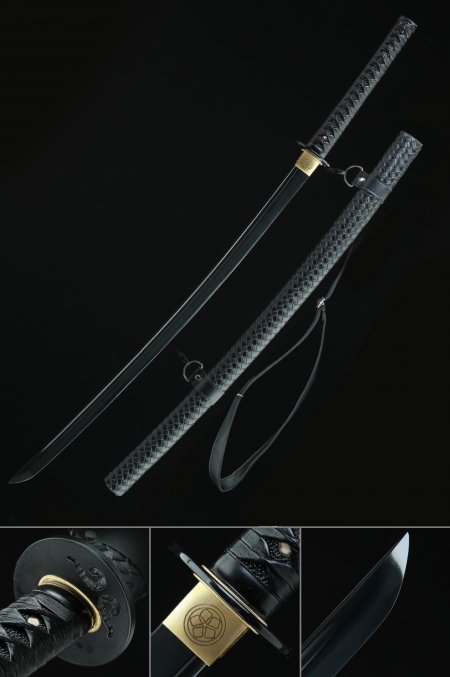
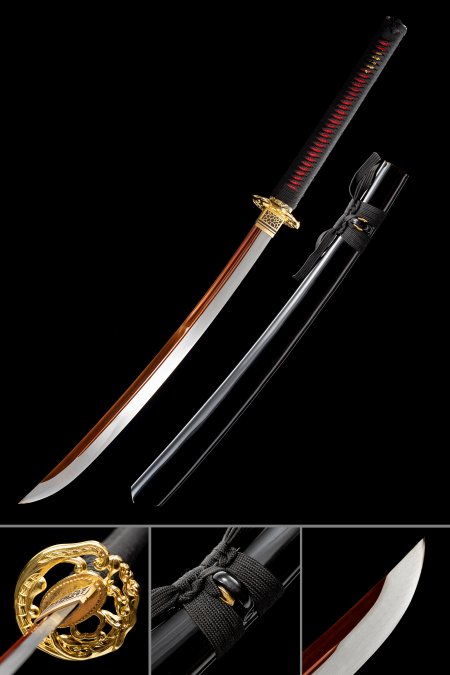
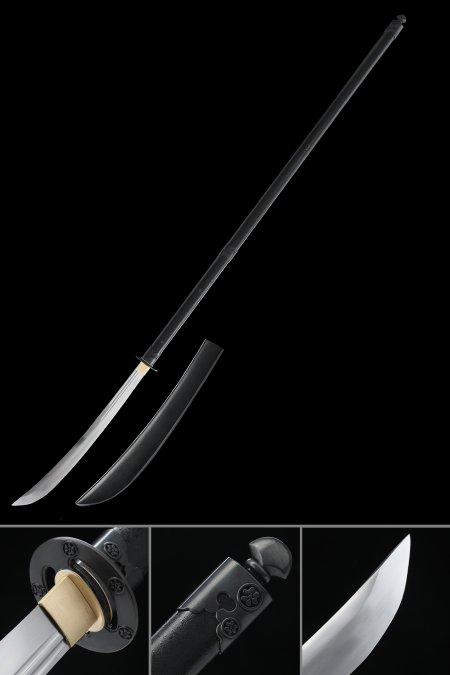
The most fundamental difference is the mounting system. A katana blade terminates in a tang fitted into a short tsuka (handle), designed for one- or two-handed use at close quarters. A naginata blade, by contrast, is mounted atop a long hardwood shaft called an e, typically bringing overall length to 150-200 cm in historical originals, and around 118 cm in the display-scale pieces found in this collection. The naginata blade itself is generally shorter than a katana's, but its pronounced curvature and the leverage provided by the long shaft gave it a very different functional character historically. Collectors also note that naginata fittings - particularly the tsuba and habaki - are proportioned and weighted differently than their katana equivalents to account for the shaft geometry and balance point of a pole-mounted blade.
Popular Products

20% OFFtwo handed katana
279.00 USD
349.00 USD
15% OFFzoro katana
139.00 USD
169.00 USD
15% OFFzoro sword
139.00 USD
169.00 USD
0% OFFnaginata sword
0.00 USD
179.00 USD
20% OFFenma sword
179.00 USD
219.00 USD
20% OFFblue katana
149.00 USD
189.00 USD
0% OFFnaginata sword
0.00 USD
339.00 USD
15% OFFobsidian katana
169.00 USD
199.00 USD
0% OFFnaginata sword
0.00 USD
289.00 USD
20% OFFnaginata
449.00 USD
559.00 USD
15% OFFichigo bankai sword
139.00 USD
159.00 USD
15% OFFshusui sword
139.00 USD
169.00 USD
20% OFFtwo handed katana
279.00 USD
349.00 USD
15% OFFzoro katana
139.00 USD
169.00 USD
15% OFFzoro sword
139.00 USD
169.00 USD
0% OFFnaginata sword
0.00 USD
179.00 USD
20% OFFenma sword
179.00 USD
219.00 USD
20% OFFblue katana
149.00 USD
189.00 USD
0% OFFnaginata sword
0.00 USD
339.00 USD
15% OFFobsidian katana
169.00 USD
199.00 USD
0% OFFnaginata sword
0.00 USD
289.00 USD
20% OFFnaginata
449.00 USD
559.00 USD
15% OFFichigo bankai sword
139.00 USD
159.00 USD
15% OFFshusui sword
139.00 USD
169.00 USD

Explore Our Collections