What makes green and gold a historically meaningful color pairing?
Updated Mar 2026
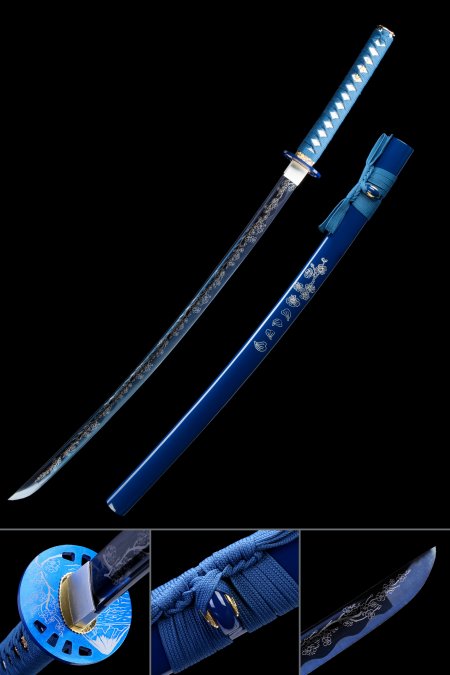
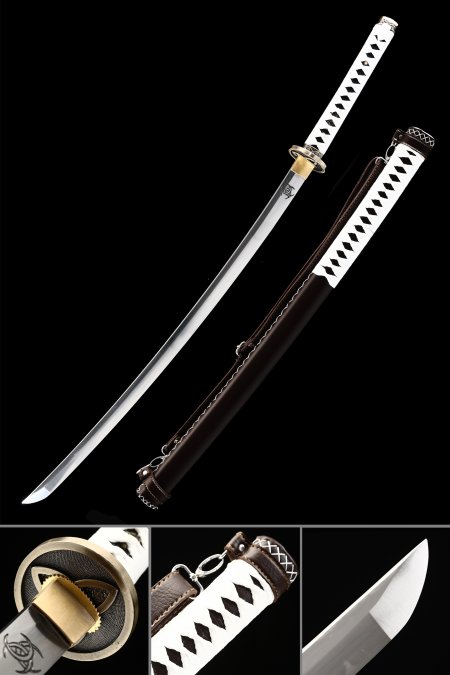
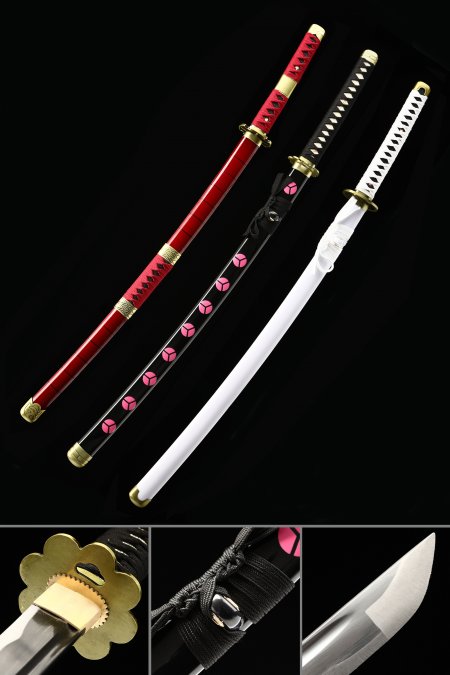
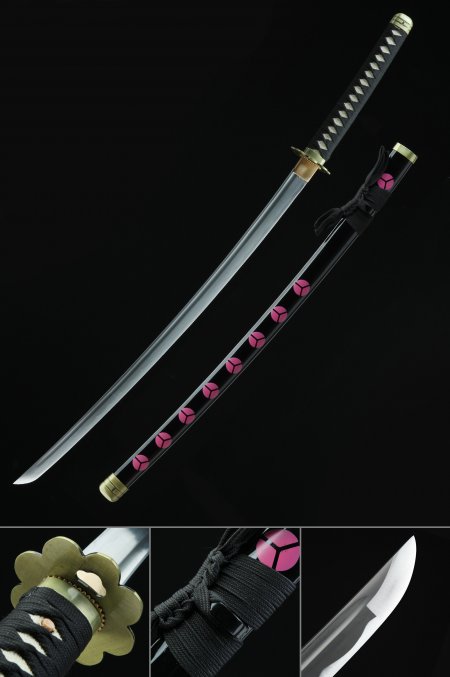
In Japanese visual culture, green has long been associated with nature, renewal, and the meditative calm of Zen garden aesthetics - bamboo, pine, and the lacquered armor trim of certain regional lords all draw on this symbolism. Gold, by contrast, signals authority and ceremony: the gilded fixtures of Noh theater costumes, the gold-leaf screens of Momoyama-period interiors, and the ornate menuki of high-ranking samurai tachi all use gold to indicate status and refinement. When applied to a collectible katana, this pairing creates a piece that reads as both organic and elevated - grounded in nature while gesturing toward the ceremonial. It is a combination that works particularly well in East Asian art interiors, nature-themed display rooms, or alongside lacquerware and ceramic collections where the palette already exists in other objects.