How does a clay-tempered hamon differ from a polished blade?

 Updated Mar 2026

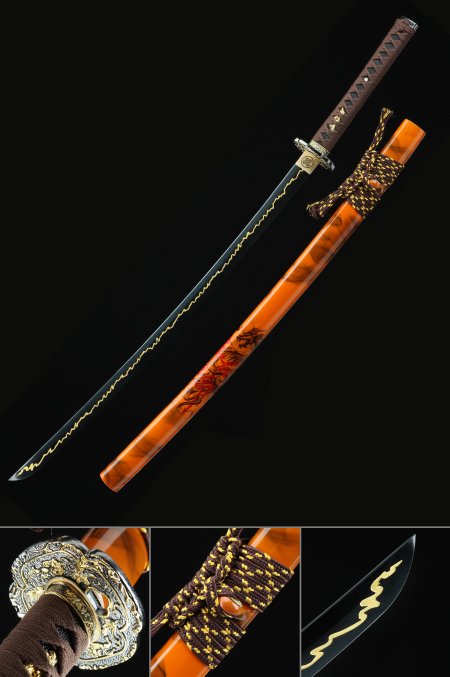
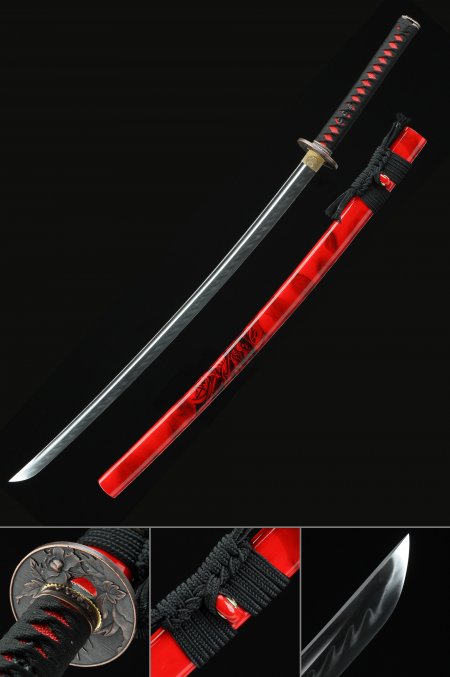
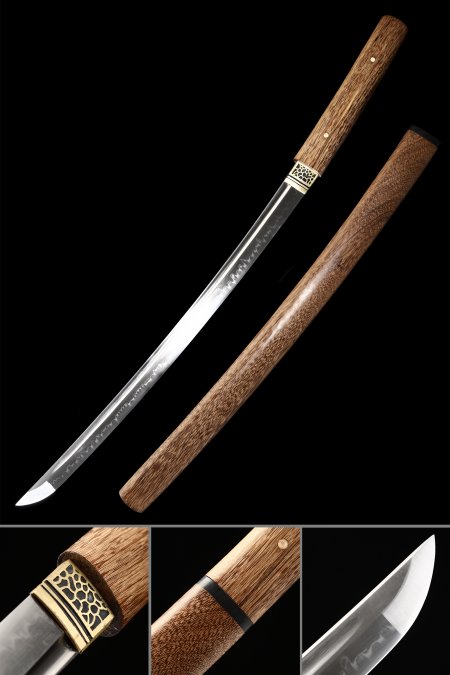
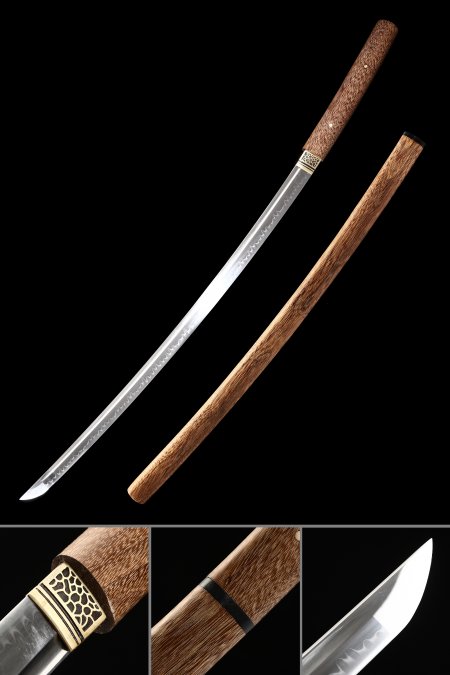
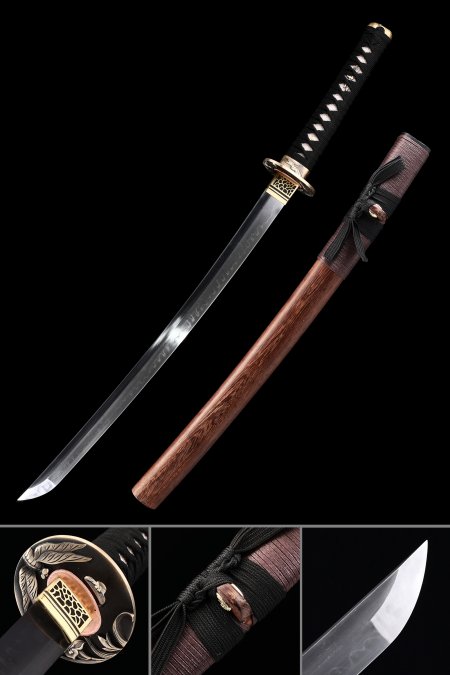
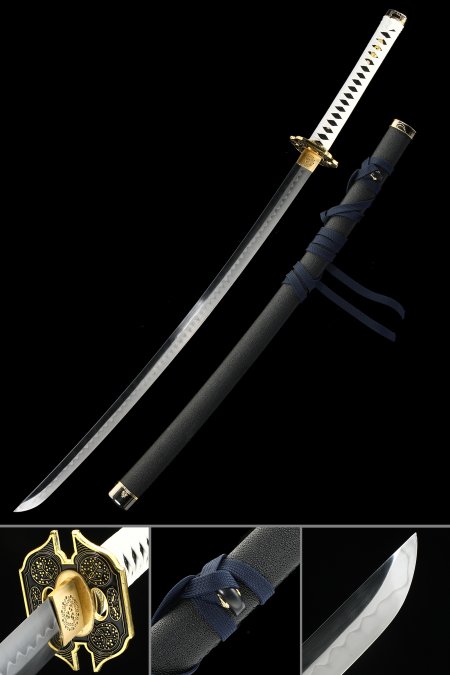
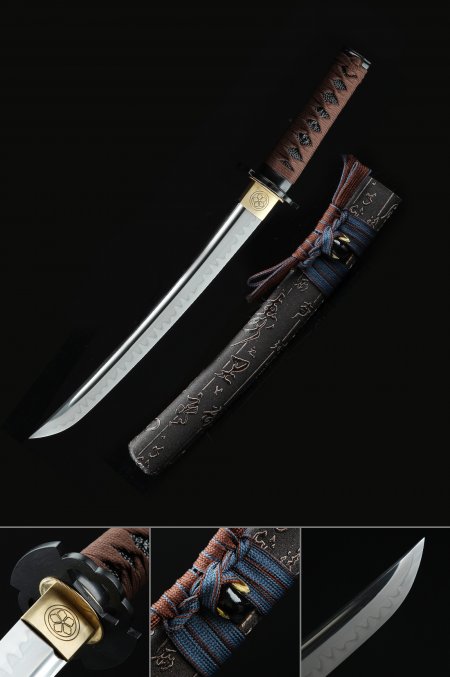
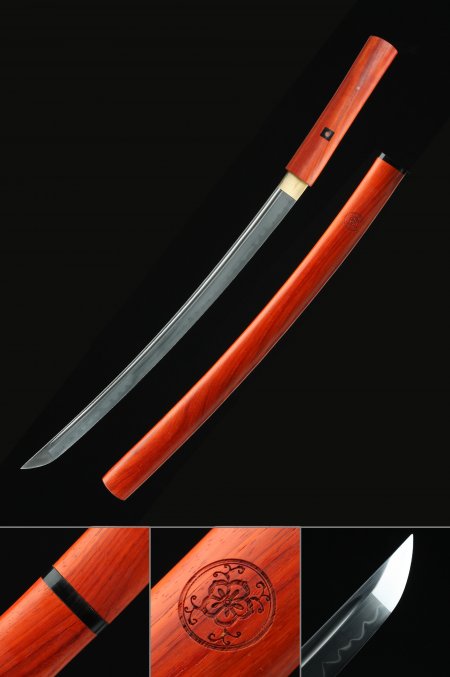
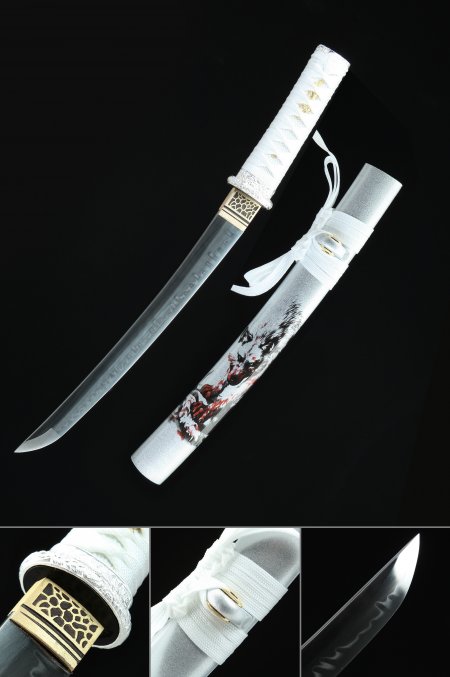
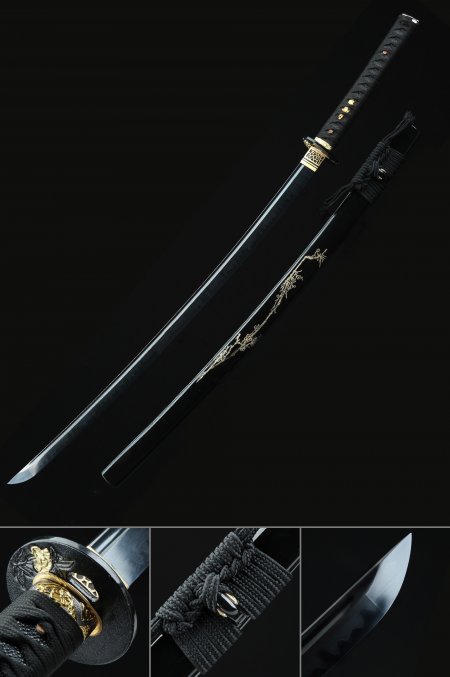
A hamon is the visible boundary line created during differential hardening, a process where the blade is coated in clay before quenching. Thicker clay along the spine cools slowly, keeping that area tough and flexible, while the thinly coated edge cools rapidly, producing a harder, more crystalline steel structure at the cutting zone. The transition between these two zones appears as a misty, undulating line - the hamon - which can take forms described as gunome (rounded waves), notare (gentle curves), or suguha (straight). On a polished T10 or high-carbon blade, the hamon is a direct record of the forging process, not an etched or acid-washed imitation. For collectors, a genuine hamon adds significant provenance value because it demonstrates that the blade was individually heat-treated rather than batch-processed.
Popular Products

15% OFFwhite katana
209.00 USD
249.00 USD
20% OFFfull tang katana
319.00 USD
399.00 USD
15% OFFjapanese katana
199.00 USD
239.00 USD
15% OFFred katana
199.00 USD
229.00 USD
20% OFFshirasaya wakizashi
179.00 USD
219.00 USD
20% OFFshirasaya katana
209.00 USD
259.00 USD
20% OFFwakizashi sword
219.00 USD
279.00 USD
20% OFF
259.00 USD
329.00 USD
15% OFFtanto sword
179.00 USD
209.00 USD
20% OFFshirasaya wakizashi
219.00 USD
269.00 USD
15% OFFtanto sword
149.00 USD
179.00 USD
20% OFFblack katana
209.00 USD
259.00 USD
15% OFFwhite katana
209.00 USD
249.00 USD
20% OFFfull tang katana
319.00 USD
399.00 USD
15% OFFjapanese katana
199.00 USD
239.00 USD
15% OFFred katana
199.00 USD
229.00 USD
20% OFFshirasaya wakizashi
179.00 USD
219.00 USD
20% OFFshirasaya katana
209.00 USD
259.00 USD
20% OFFwakizashi sword
219.00 USD
279.00 USD
20% OFF
259.00 USD
329.00 USD
15% OFFtanto sword
179.00 USD
209.00 USD
20% OFFshirasaya wakizashi
219.00 USD
269.00 USD
15% OFFtanto sword
149.00 USD
179.00 USD
20% OFFblack katana
209.00 USD
259.00 USD

Explore Our Collections