What makes folded steel different from regular steel in a tanto?
Updated Feb 2026
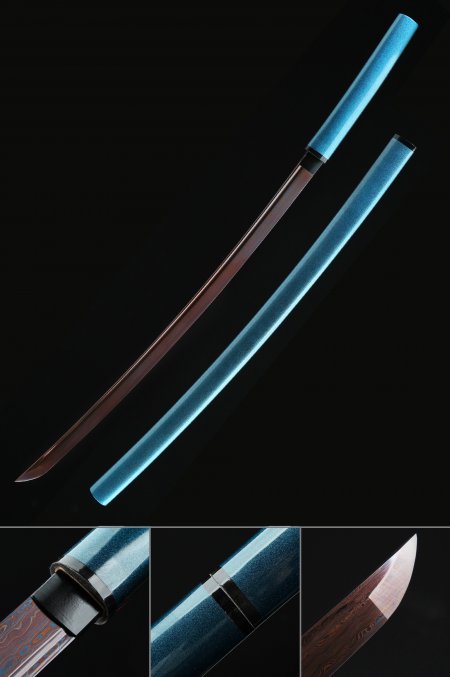
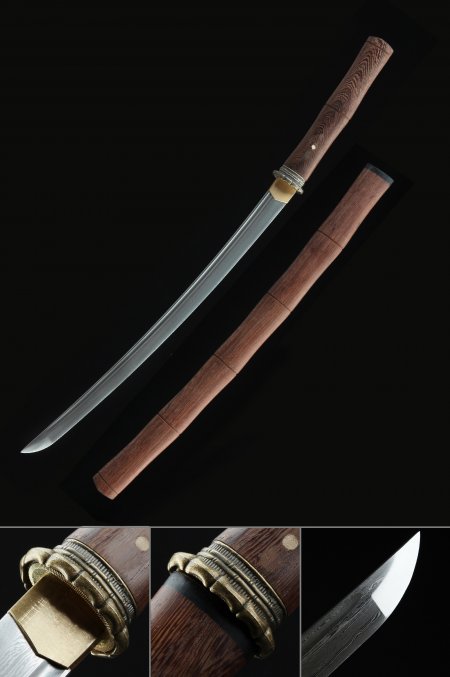
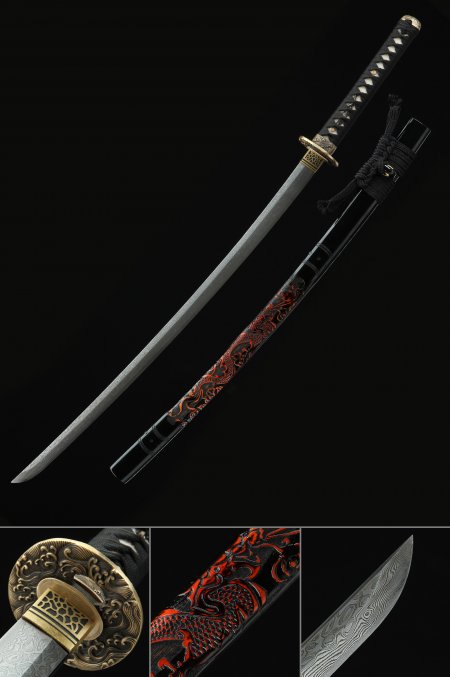
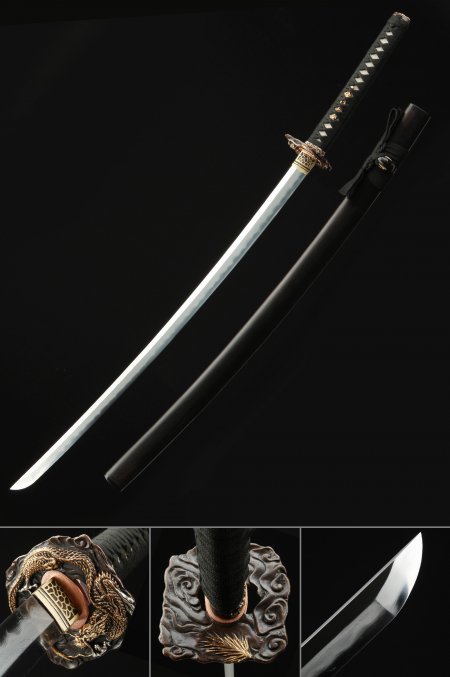
Folded steel is produced by repeatedly heating a billet, hammering it flat, and folding it back onto itself. Each cycle doubles the number of internal layers, so a blade folded ten times contains over one thousand distinct layers. This process accomplishes two things that a single-forge approach cannot. First, it homogenizes carbon distribution throughout the steel, reducing the weak spots and inclusions that can occur in a raw billet. Second, it creates the visible layered grain pattern — called jihada in Japanese terminology — that appears as flowing, wavy, or wood-like lines on the polished surface. The pattern is not etched or printed; it is the physical structure of the steel itself, revealed through acid etching or traditional polishing. Because every fold is done by hand, no two folded steel tantos share an identical pattern, which is a significant part of their appeal as collectibles.