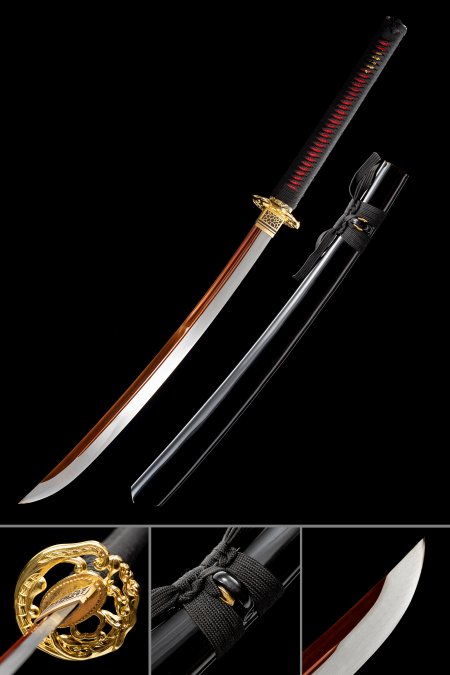
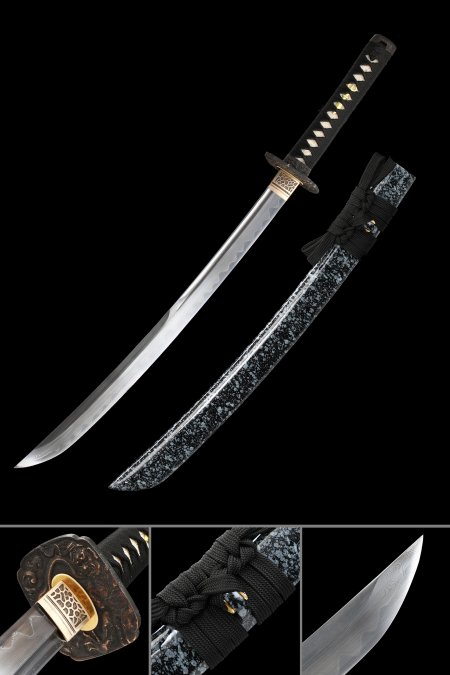
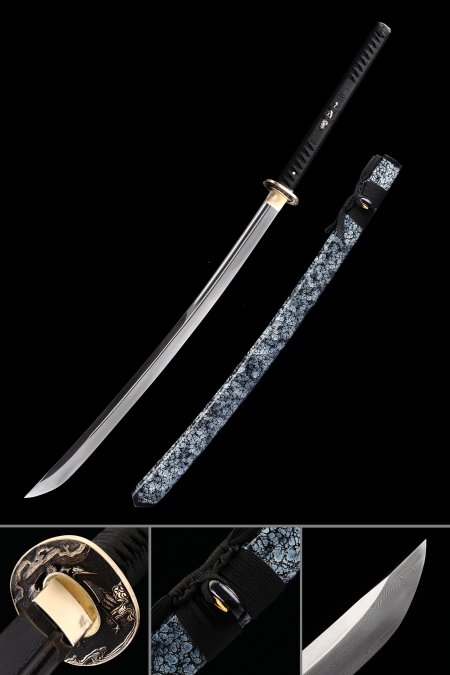
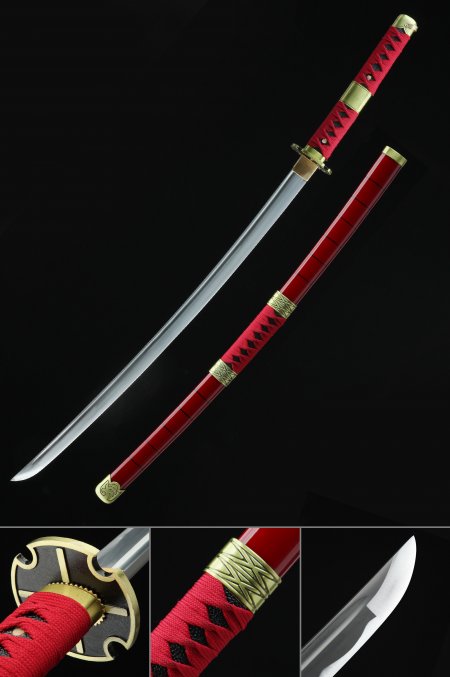
How does a naginata differ from a katana in design?
Updated Feb 2026
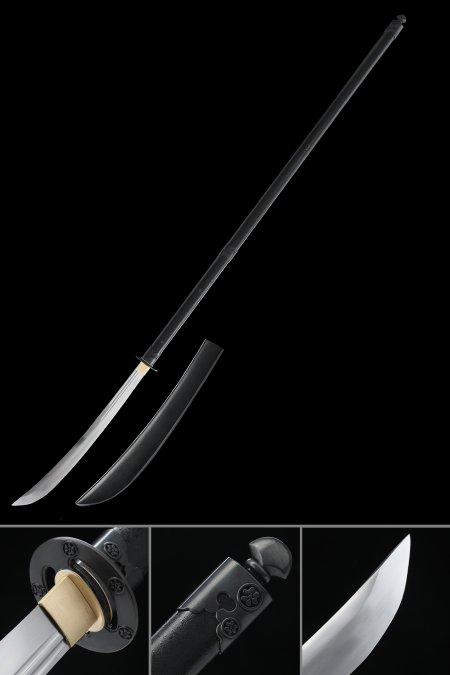
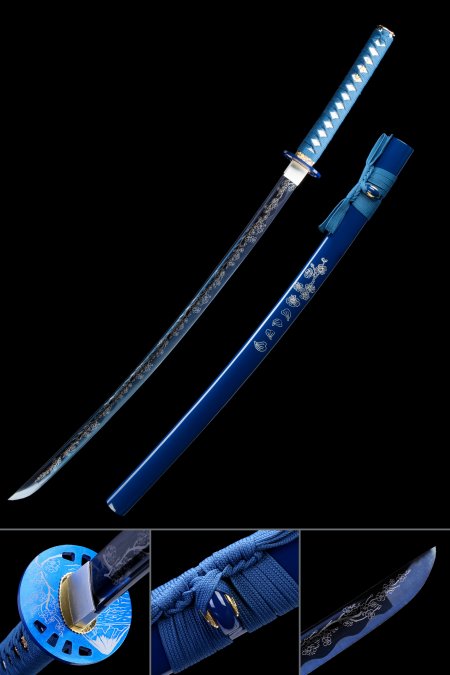
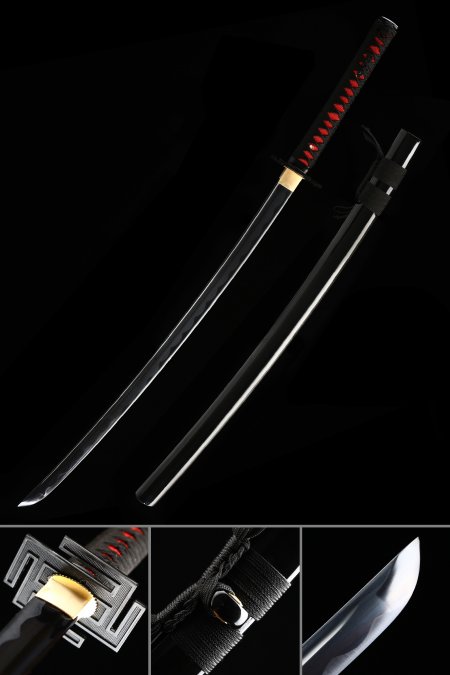
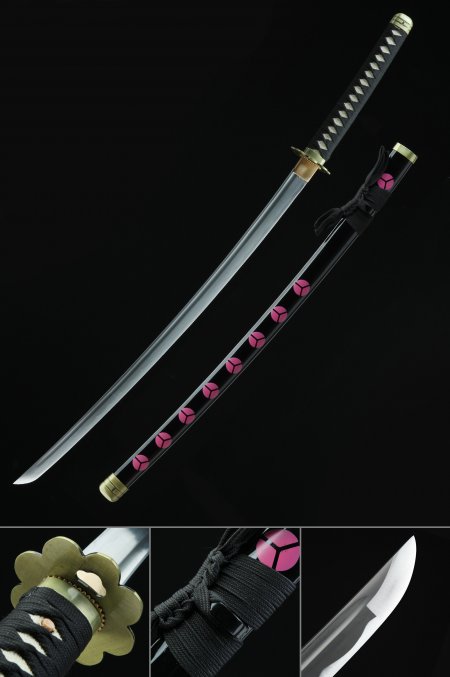
The most obvious distinction is the mounting. A naginata features a curved blade fitted to an extended pole-length handle, giving it a total length often exceeding 110 cm, whereas a katana pairs its blade with a much shorter two-handed grip. The naginata blade itself tends to be wider near the tip and tapers toward the tang, optimizing its sweeping arc geometry. Historically, this design served a different tactical role, but for collectors the key differences are aesthetic: the longer tsuka wrapping, the unique balance point, and the dramatic wall presence that a polearm offers compared to a standard sword display.