What makes a ninjato different from a katana in shape and design?
Updated Feb 2026
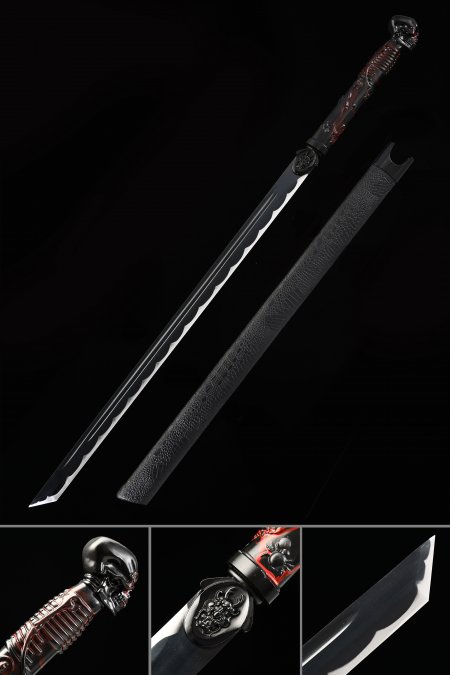
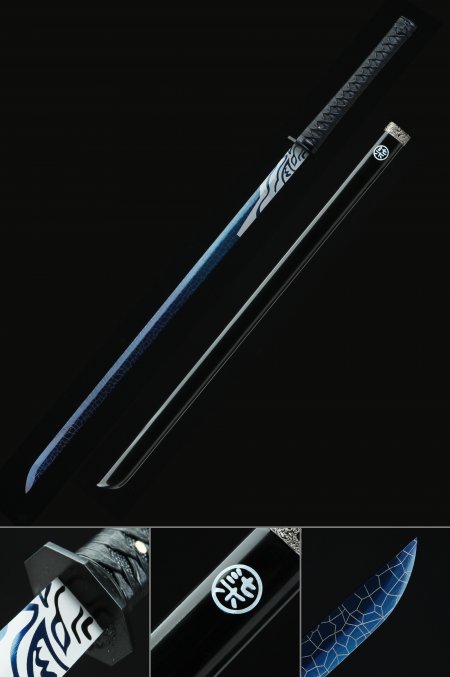
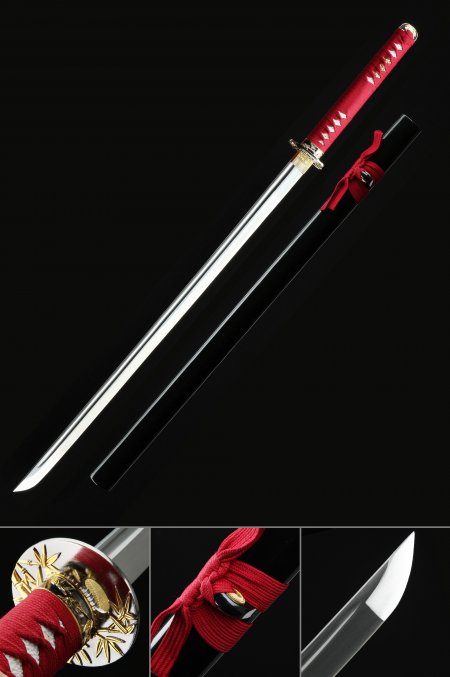
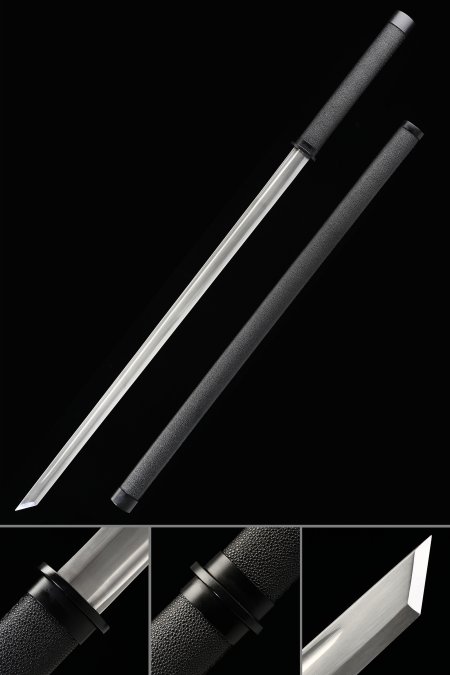
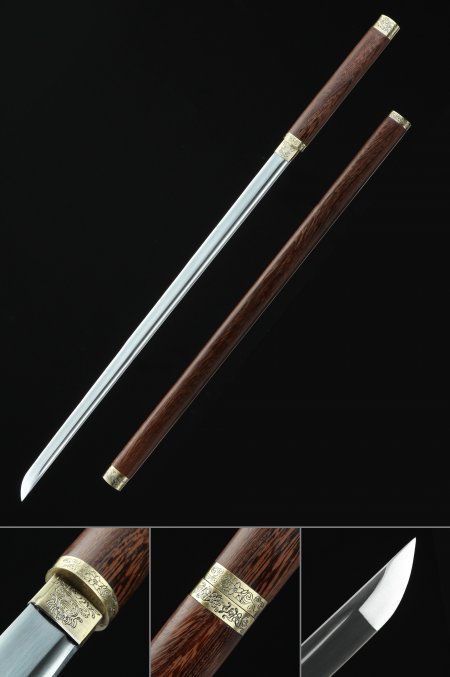
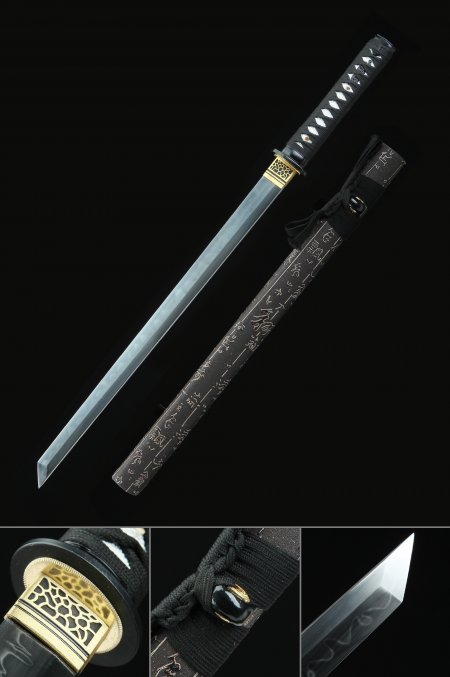
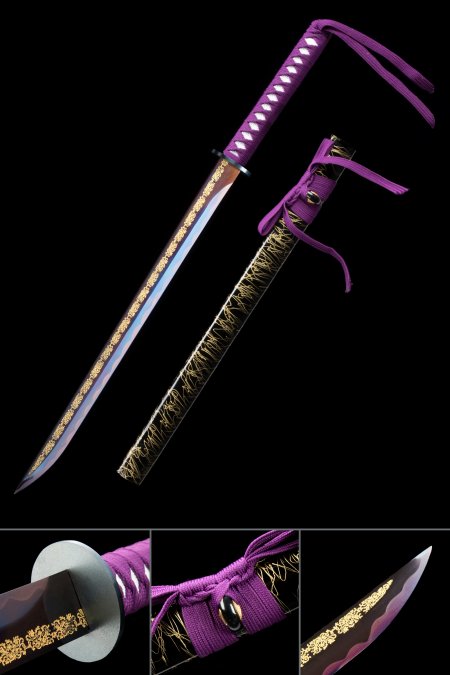
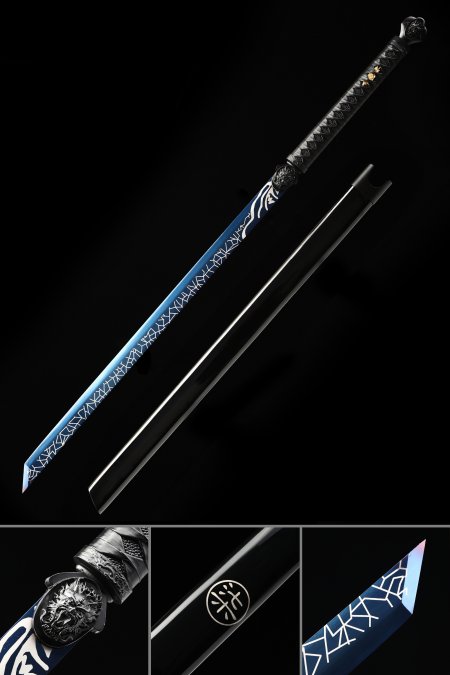
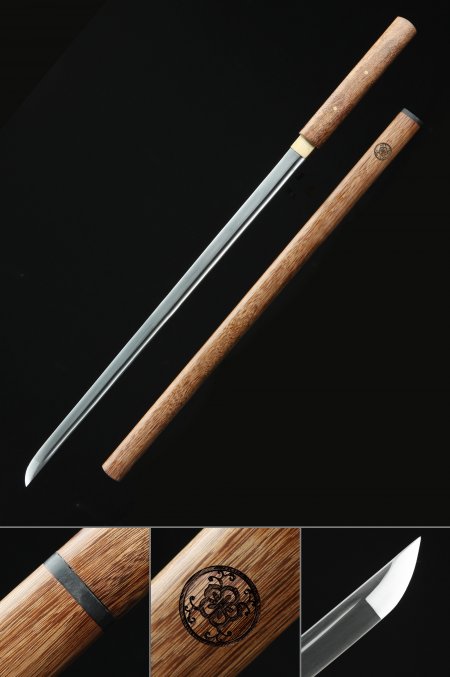
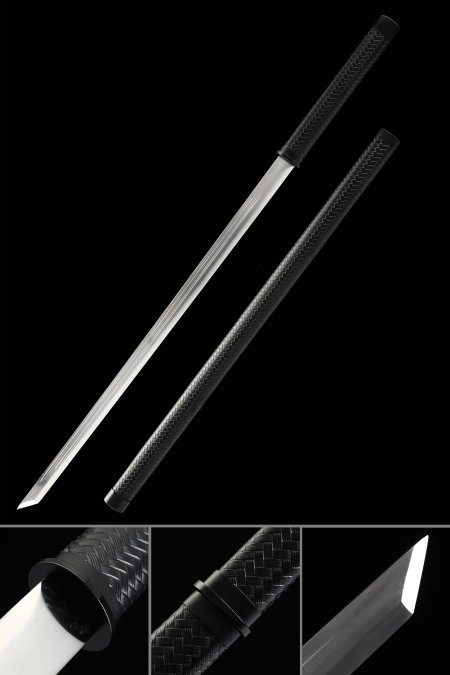
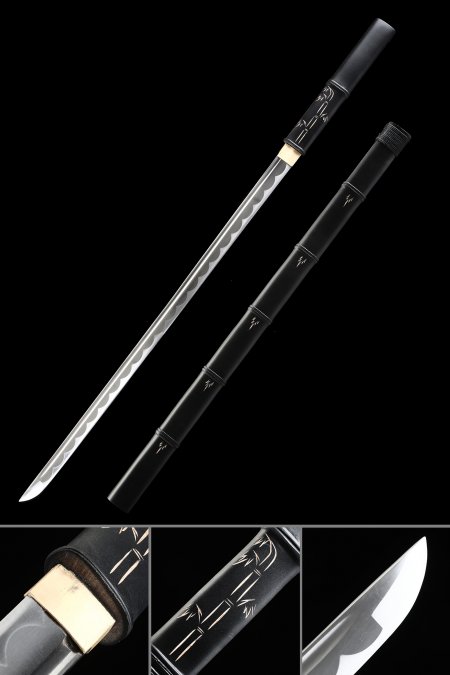
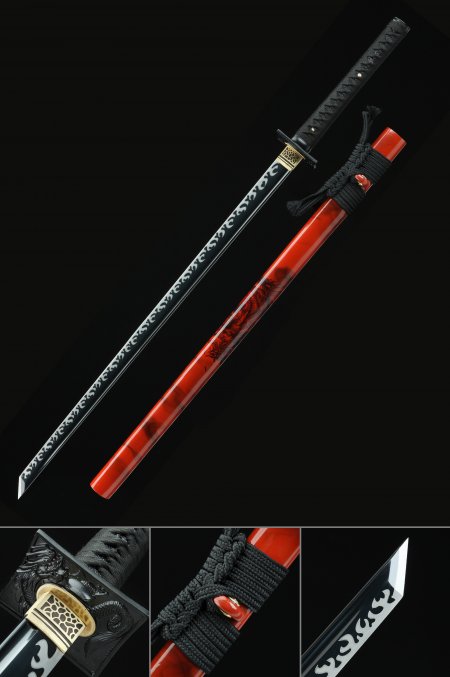
The most immediately visible difference is the blade geometry. A katana features a curved, single-edged blade typically between 60 and 73 centimeters, engineered for drawing cuts. A ninjato, by contrast, uses a straight or nearly straight blade that is often slightly shorter, generally around 50 to 60 centimeters. This straight profile changes the sword's handling characteristics and gives it a distinctly different silhouette on a wall mount. The tsuba on many ninjato is also square rather than round, and the saya tends to be longer relative to blade length — a historical design detail associated with concealment and versatility. For collectors, owning both styles provides a comprehensive view of Japanese blade philosophy.