What is a hamon and why does it matter to collectors?
Updated Feb 2026
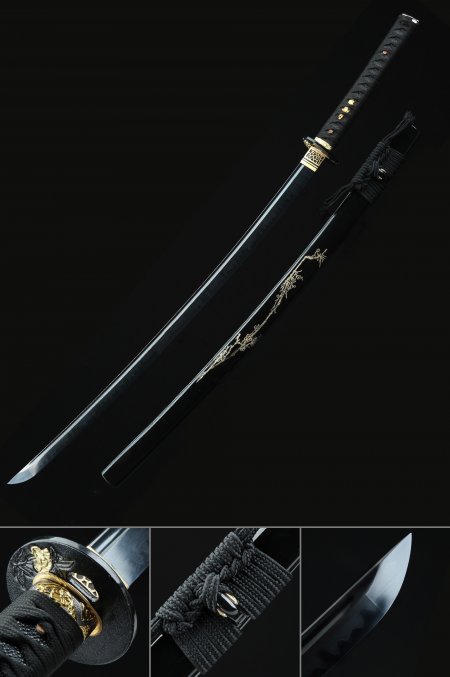
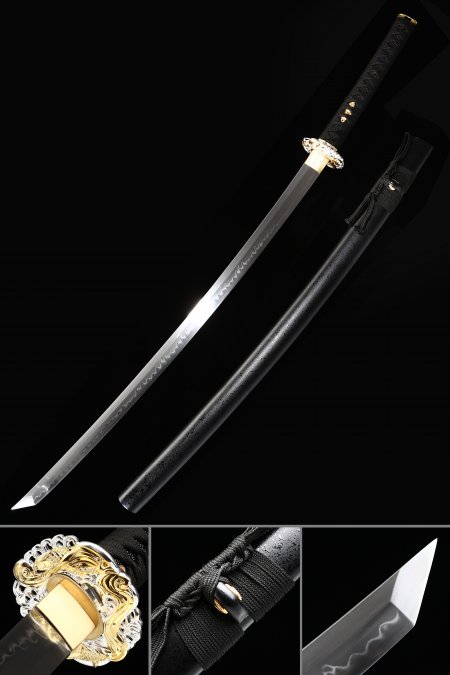
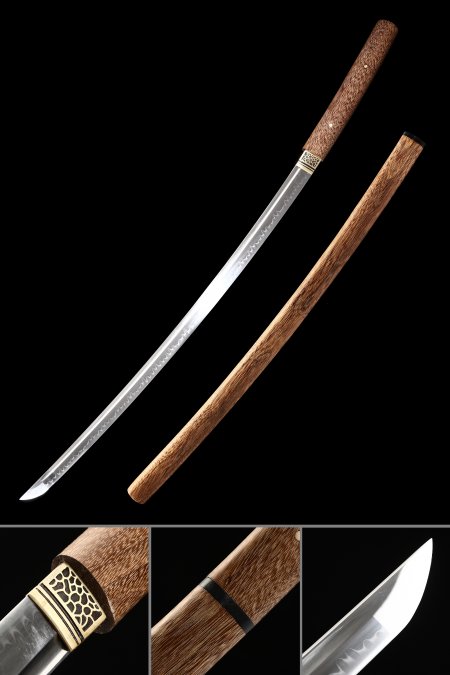
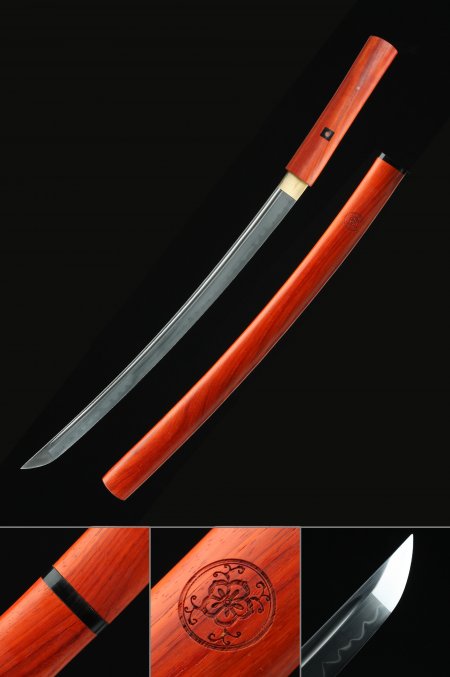
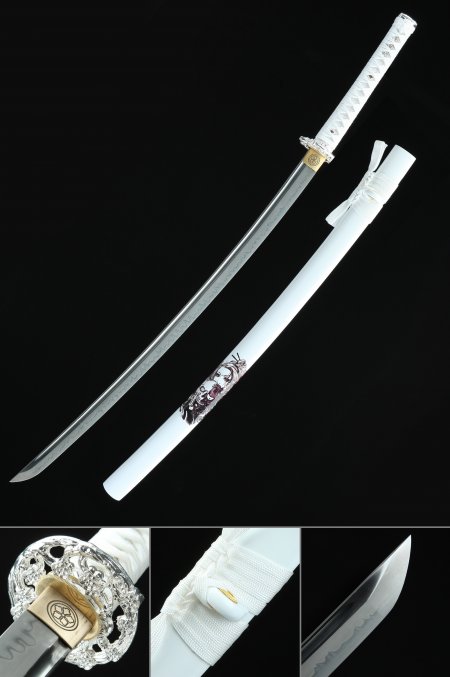
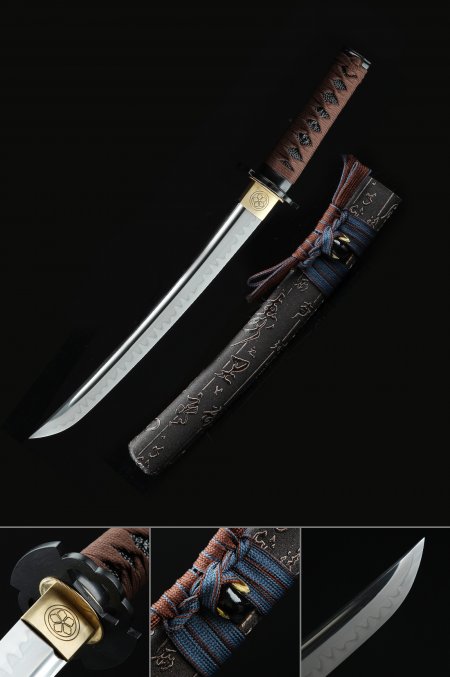
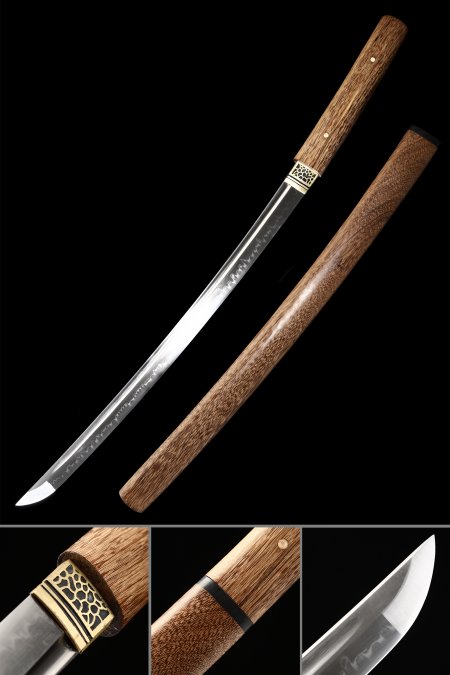
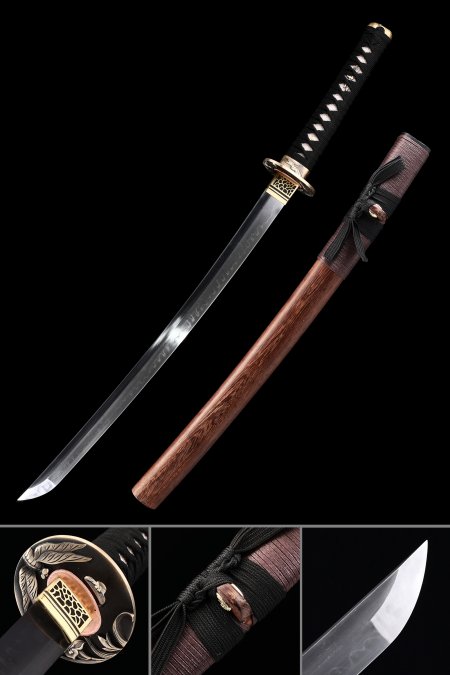
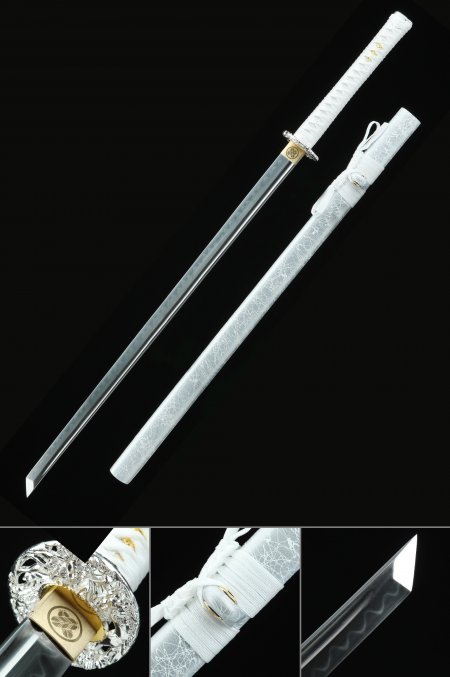
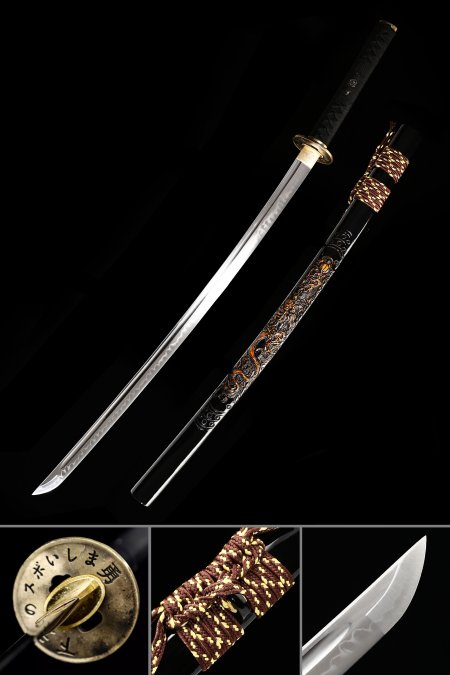
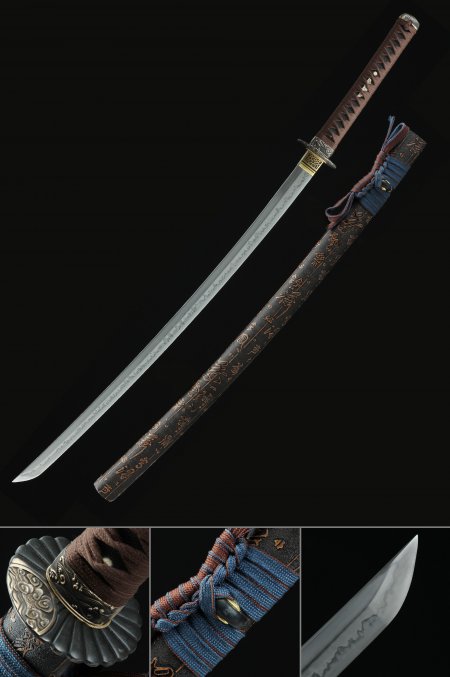
The hamon is the visible temper line that appears along the cutting edge of a differentially hardened blade. It forms when a swordsmith applies a clay slurry to the blade before quenching — thicker on the spine, thinner near the edge — causing the edge to cool faster and develop a harder crystalline structure called martensite, while the spine remains softer and more resilient. On a quality replica, the hamon is not painted or etched but is a genuine metallurgical feature visible as a misty, undulating line. Collectors value the hamon because it is the most direct evidence that a blade was produced using traditional heat-treatment methods rather than stock removal or acid etching. T10 clay-tempered and 1095 carbon steel variants in our WW2 collection are the most likely to carry an authentic activity-rich hamon.