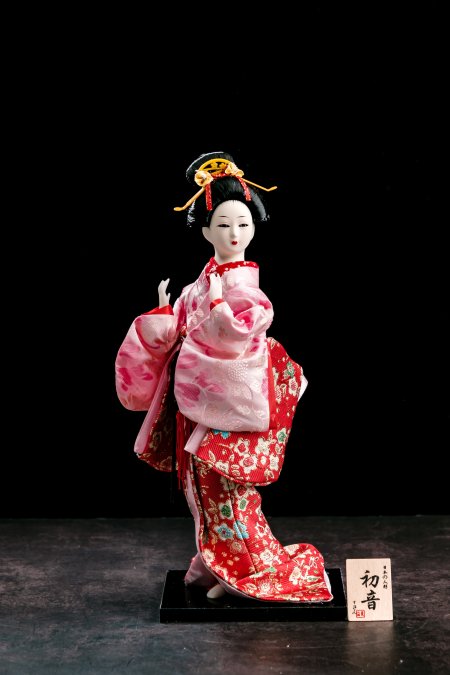
Red Japanese Geisha Dolls
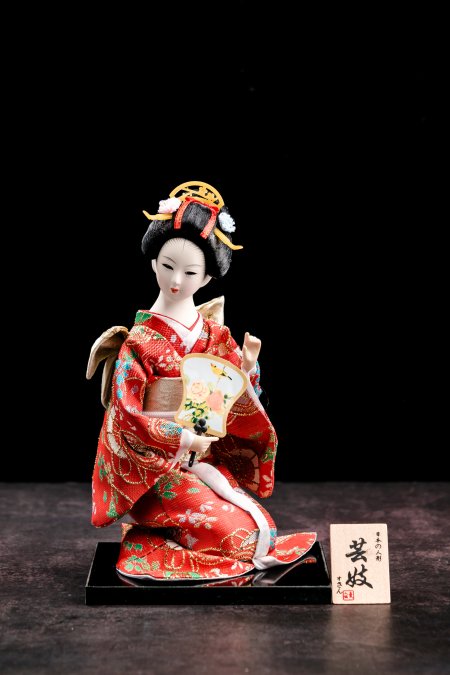
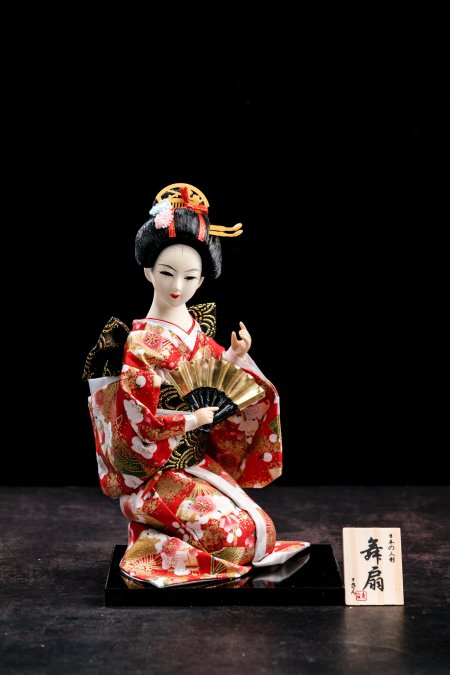
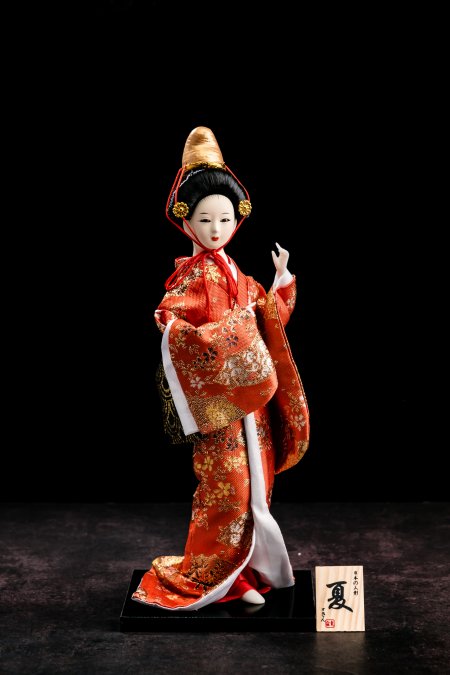
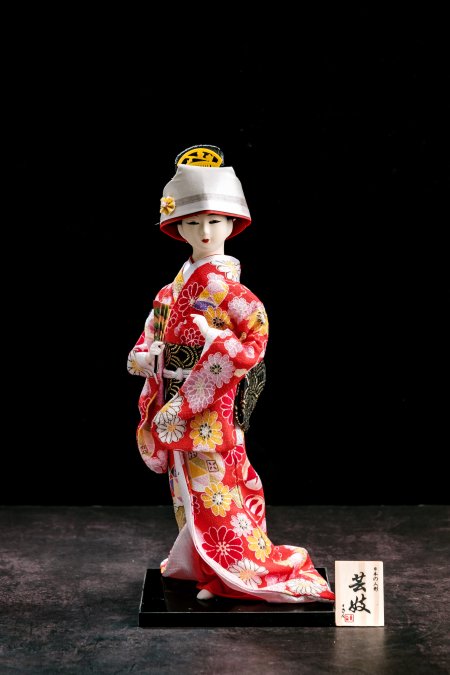
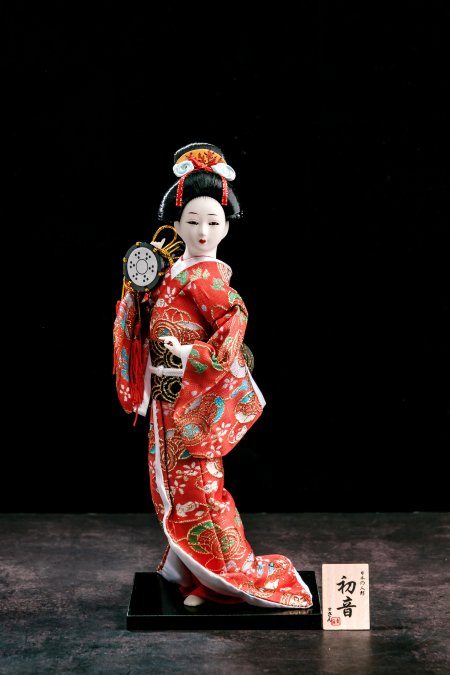
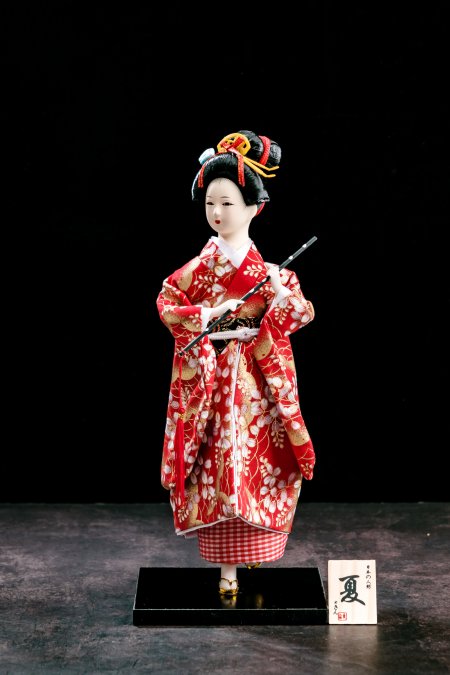
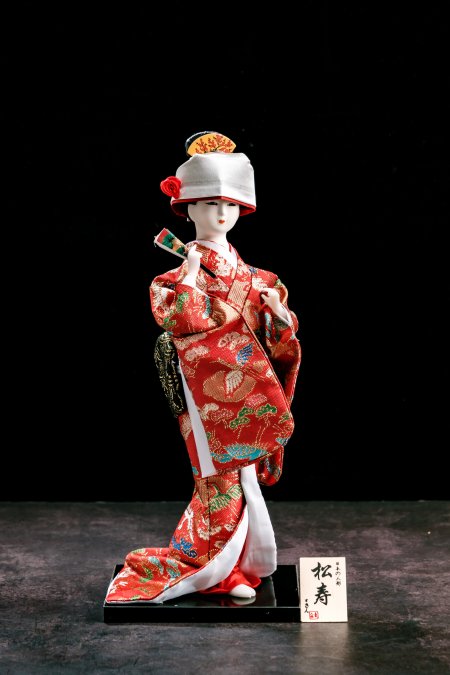
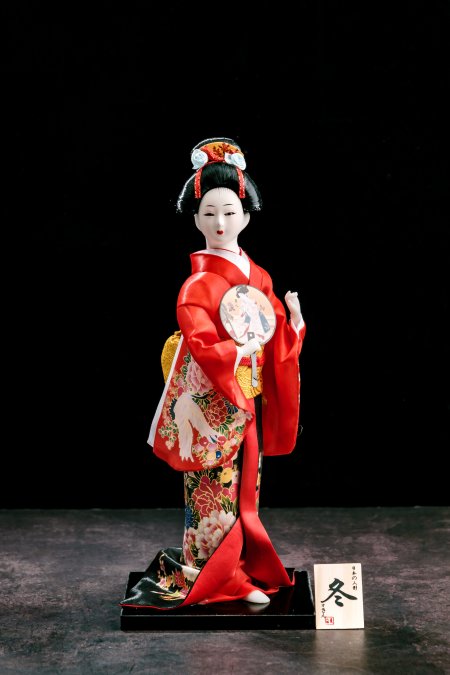
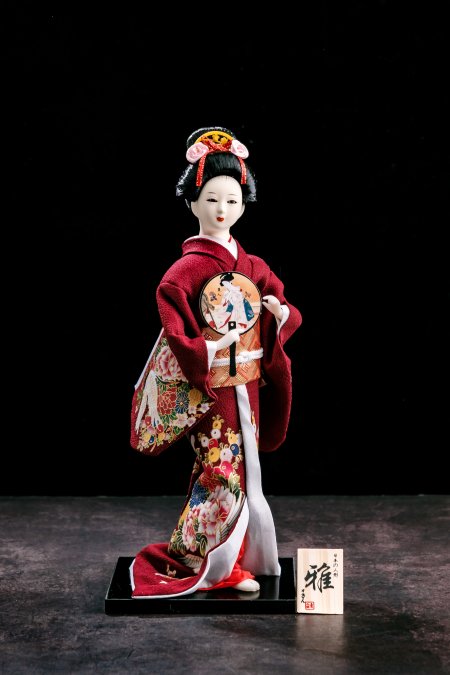
Red Japanese Geisha dolls bring the elegance of traditional Edo-period artistry into your home, capturing the refined beauty of geisha culture through hand-painted porcelain, sculpted resin, and richly detailed kimono designs. Each piece in this collection is crafted with meticulous attention to fabric texture, facial expression, and authentic accessory styling - from delicate folding fans to ornate hair ornaments. These figurines make striking display pieces for shelves, curio cabinets, or dedicated Japanese décor arrangements. Every order ships free with easy returns, so building your collection is always risk-free.
Related Collections
Frequently Asked Questions
What materials are typically used in geisha figurine dolls?
Red Japanese geisha figurines in the collectible category are most commonly made from one of three materials: hand-cast porcelain, cold-cast resin, or polyresin composite. Porcelain pieces are fired and glazed, giving them a lustrous finish that best replicates the smooth skin tones of traditional Japanese doll-making. Resin and polyresin figures allow for finer sculptural detail in fabric folds and accessories, and they are less fragile for display in households with children or pets. The kimono elements on higher-end figurines are sometimes constructed from actual miniature fabric rather than sculpted simulation, adding tactile authenticity. When evaluating quality, check whether accessories like fans and kanzashi hair ornaments are separately formed and attached - integrated single-piece molding is a sign of lower production investment.
How is a geisha doll different from a traditional Hina doll?
Hina dolls (Hina Ningyo) are a specific ceremonial category displayed during Hinamatsuri, the March Girls' Day festival, and they depict imperial court figures seated on tiered platforms - not geisha. Geisha figurines, by contrast, represent the professional entertainers of Japan's hanamachi districts and are typically depicted standing or posed mid-performance, often holding a fan, shamisen, or wearing a trailing furisode kimono. The styling cues differ significantly: Hina dolls wear junihitoe court layering with flat, formal positioning, while geisha figurines emphasize dynamic pose, elaborate hair ornamentation (kanzashi), and the distinctive white-foundation makeup of Kyoto's Gion district. Geisha figurines are general decorative collectibles with no fixed seasonal display tradition, making them suitable for year-round home display.
Why is red such a prominent color in geisha doll designs?
In Japanese cultural tradition, red (aka) carries layered symbolic meaning tied to ceremony, femininity, and auspicious occasions. Maiko - apprentice geisha - traditionally wear the most vivid red kimono as a mark of their junior status and youthful vitality, making red the color most strongly associated with geisha aesthetics in popular imagery. The red furisode, a long-sleeved formal kimono, is also connected to coming-of-age ceremonies and seasonal festival wear. For figurine collectors, red geisha dolls are visually impactful display pieces precisely because the color reads strongly against neutral shelf backgrounds, lacquered furniture, and wood display cases. The cultural resonance and visual boldness of red make these figurines among the most sought-after in Japanese decorative art collecting.
Are these geisha figurines suitable as gifts for Japanese art enthusiasts?
Red geisha figurines are a well-considered gift for anyone who appreciates Japanese cultural aesthetics, decorative art, or East Asian home décor. They suit a wide recipient range - from someone beginning a Japanese-themed collection to a seasoned collector who values culturally grounded figurine work. For gifting purposes, porcelain pieces with detailed kanzashi ornamentation and a fan accessory tend to present as more premium than single-material resin figures. Pairing a geisha doll with a complementary display stand or a related piece from a Japanese decorative category elevates the presentation. These figurines are also a culturally meaningful alternative to generic decorative objects, as they reference a specific, historically documented tradition in Japanese performing arts rather than a generalized aesthetic.
How should I display and store a porcelain geisha figurine long-term?
For long-term display, position porcelain geisha figurines away from direct sunlight and heat sources - UV exposure yellows glaze and fades hand-painted detail over time, while heat cycles can stress fired ceramic. A closed glass display cabinet is ideal: it limits dust accumulation on intricate sculpted surfaces while maintaining visual access. For cleaning, use a soft natural-bristle brush (a clean watercolor brush works well) rather than cloth, which can snag on fan edges or hair ornament details. If storing rather than displaying, wrap each piece individually in acid-free tissue and place in a rigid box with foam padding - never stack porcelain figurines. For resin figurines, the same light and heat precautions apply, though resin is less vulnerable to humidity-related stress than fired porcelain.