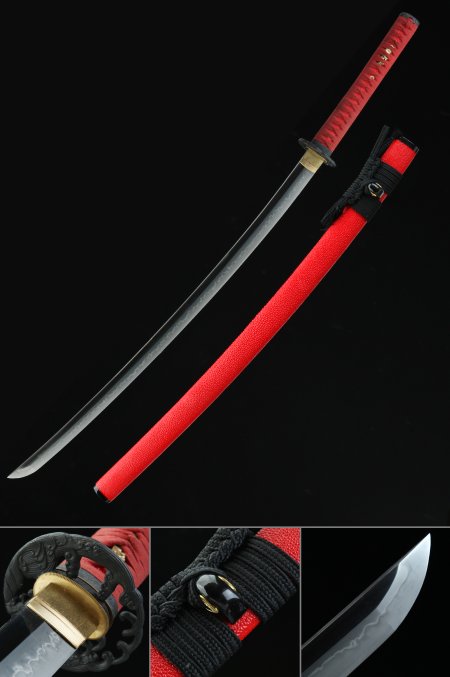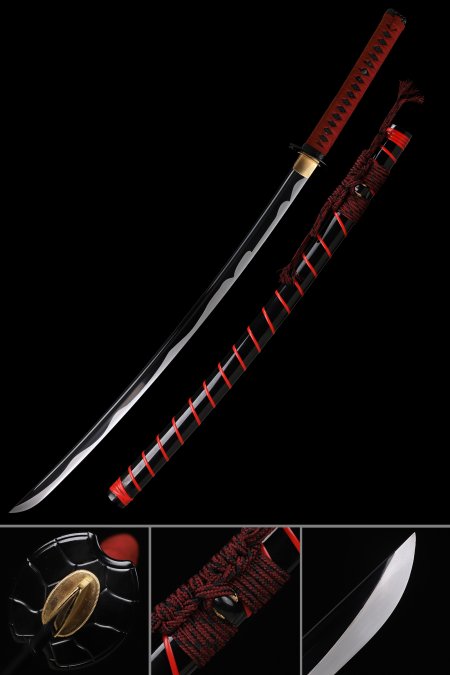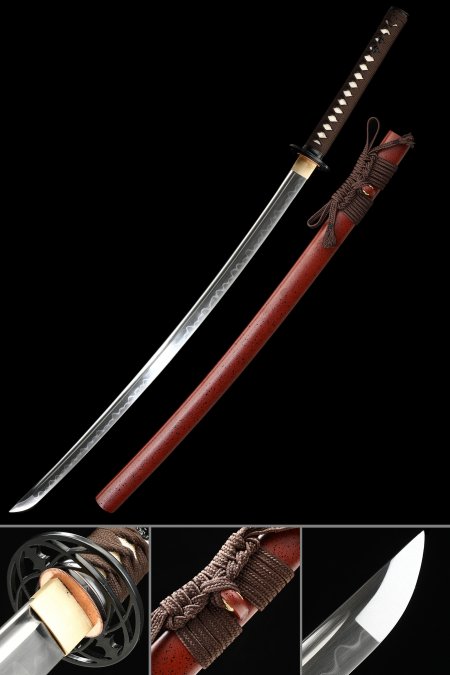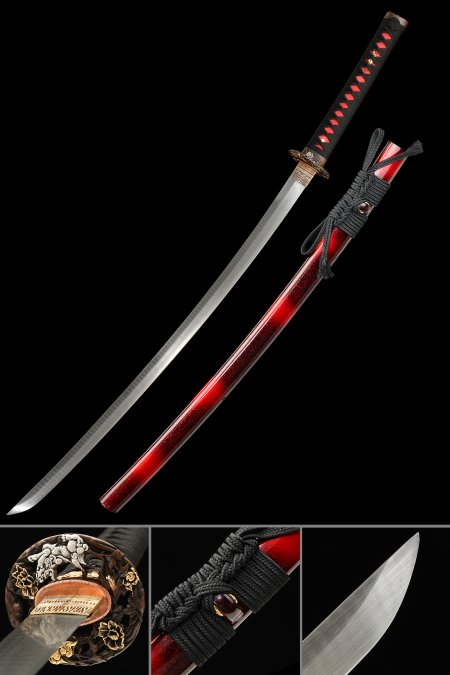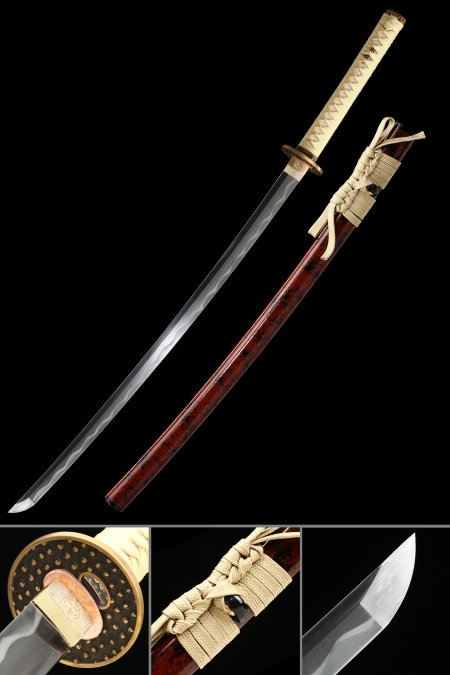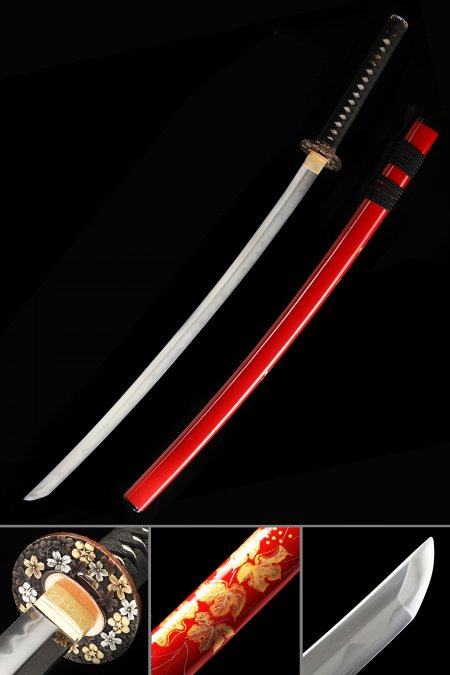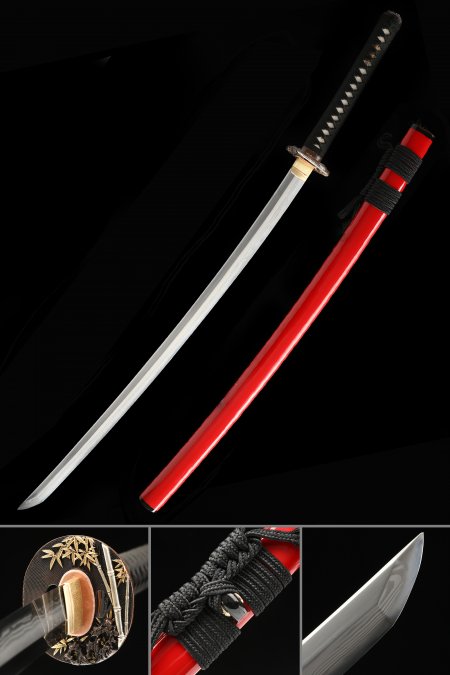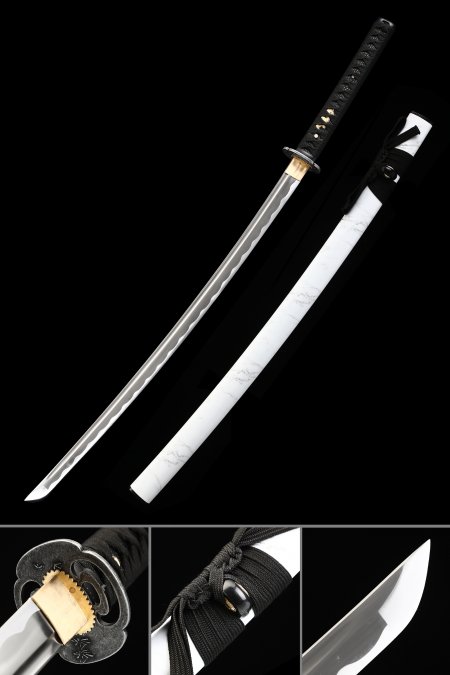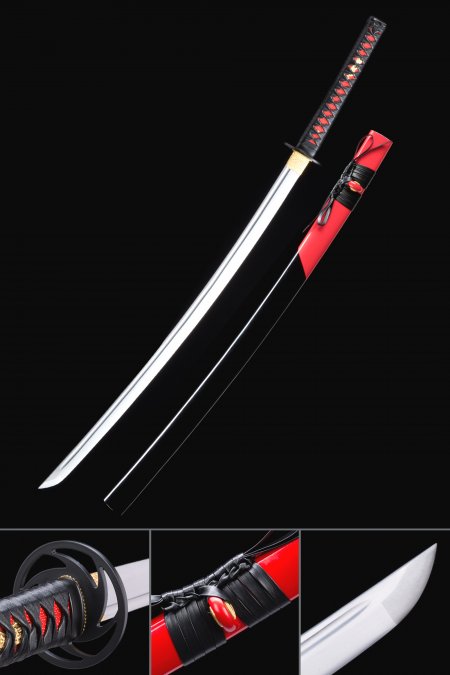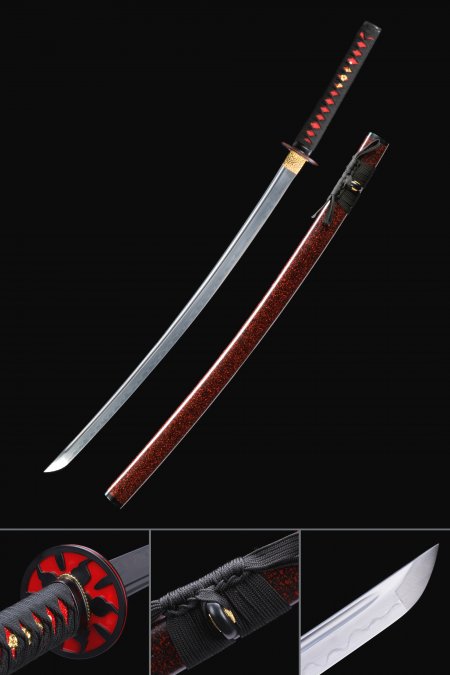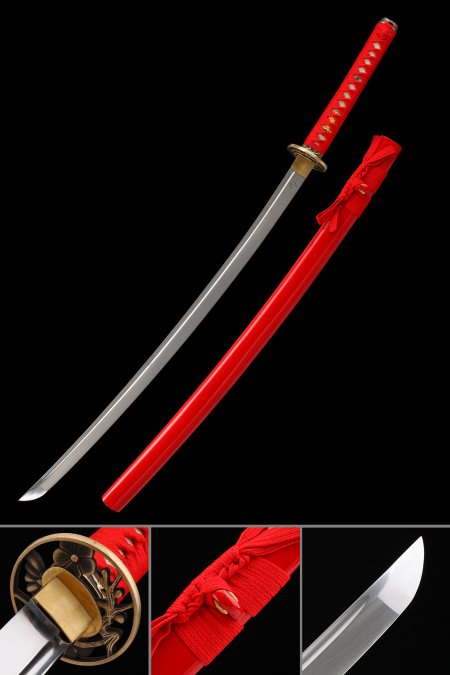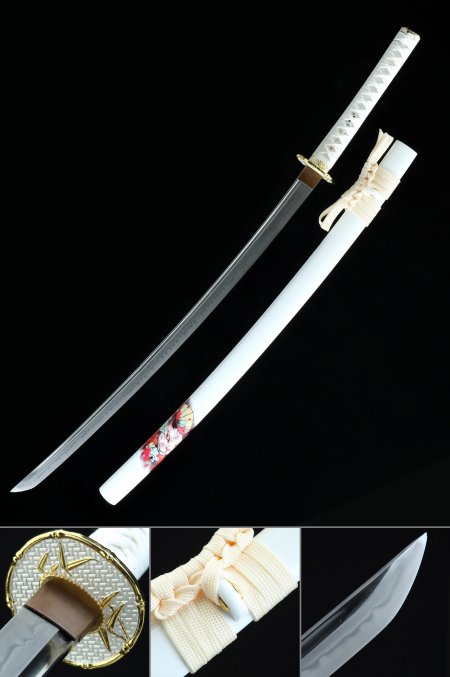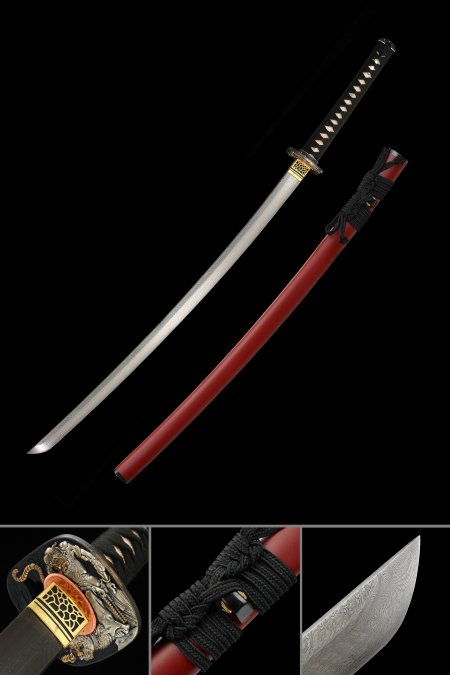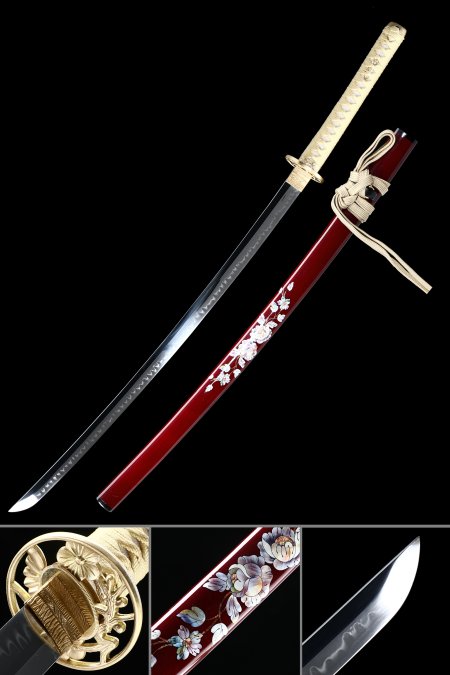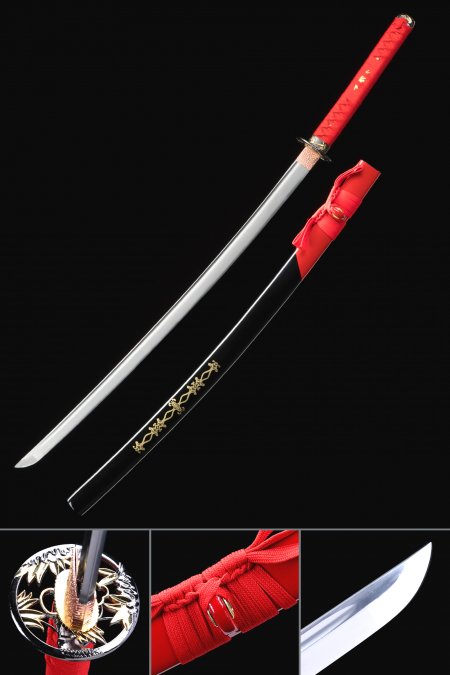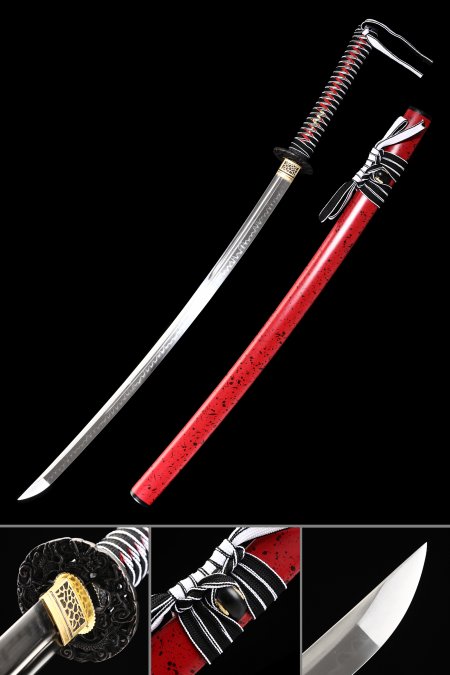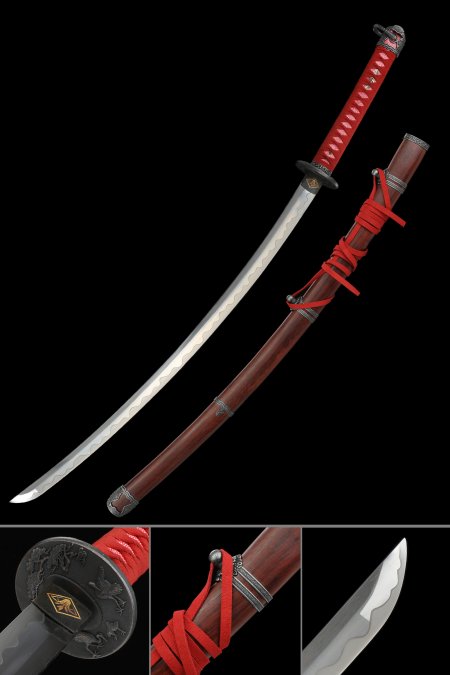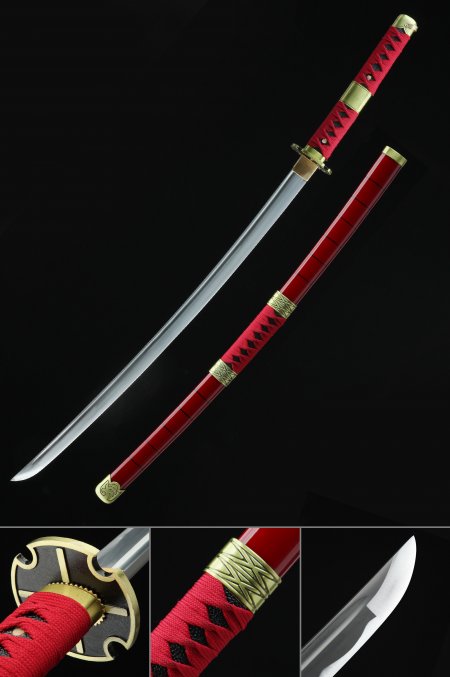
Red And White Katana

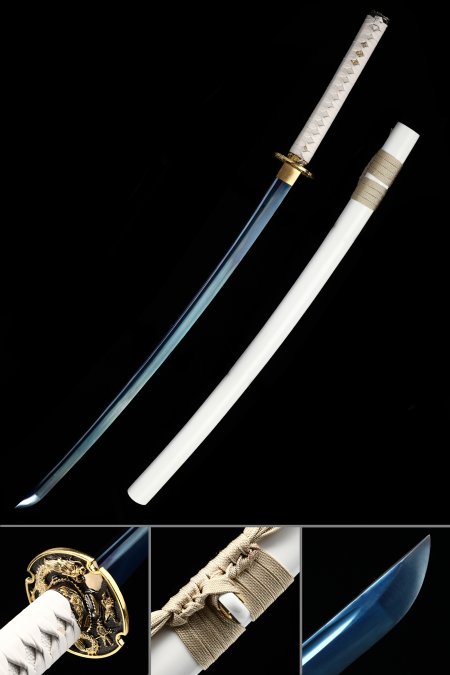
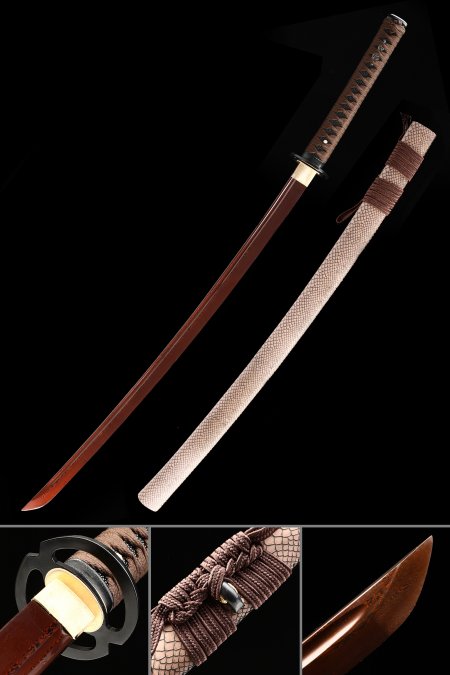
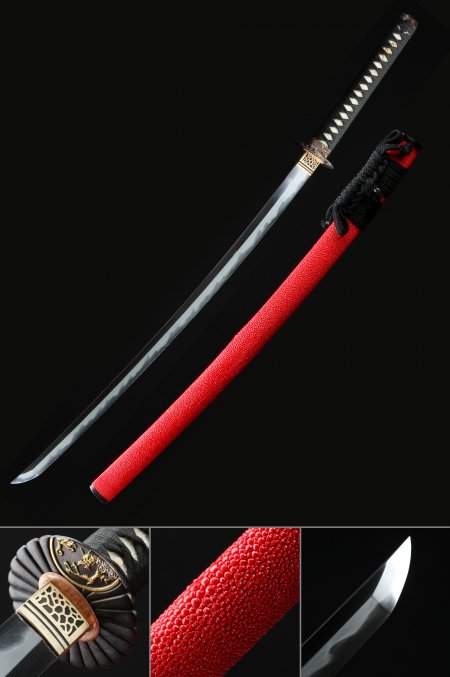
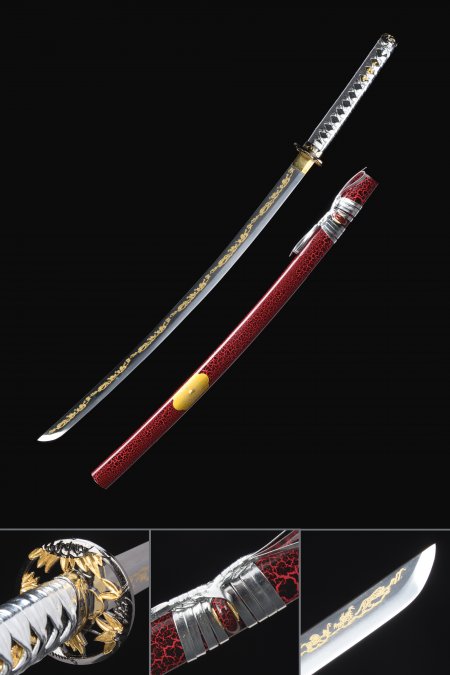
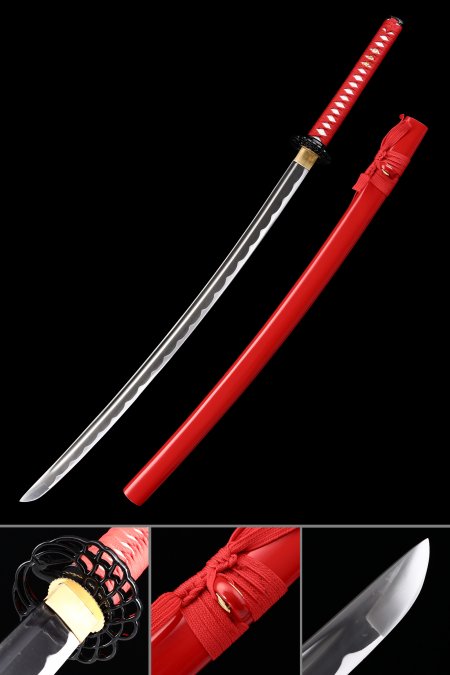
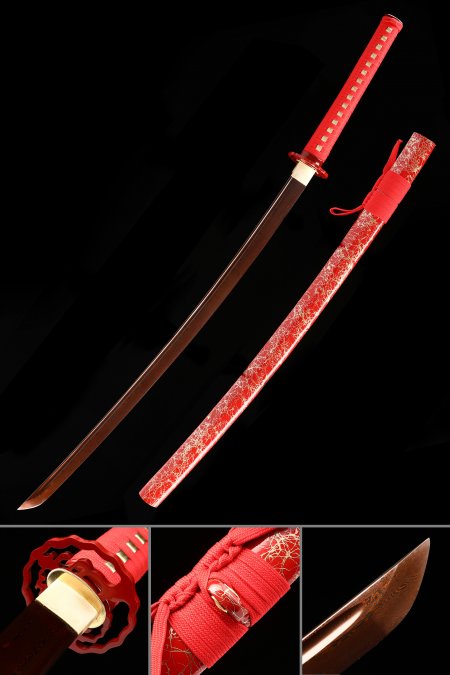
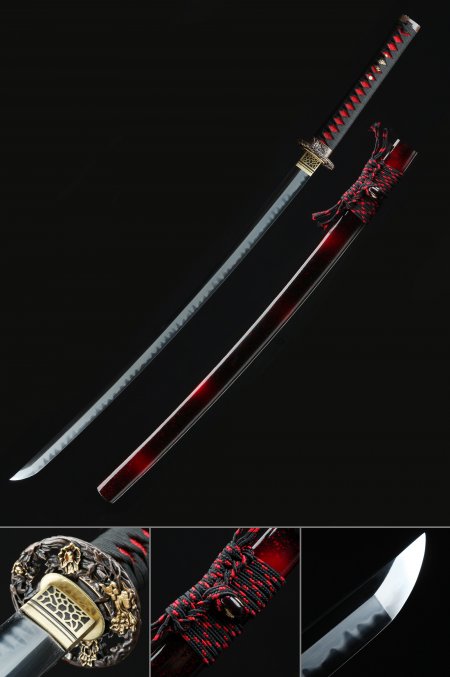
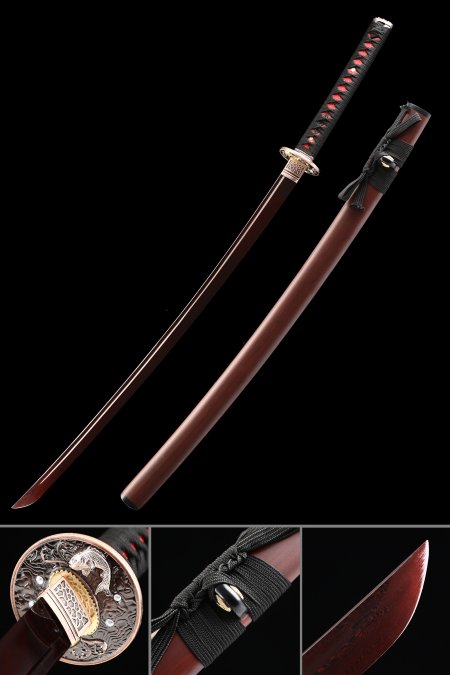
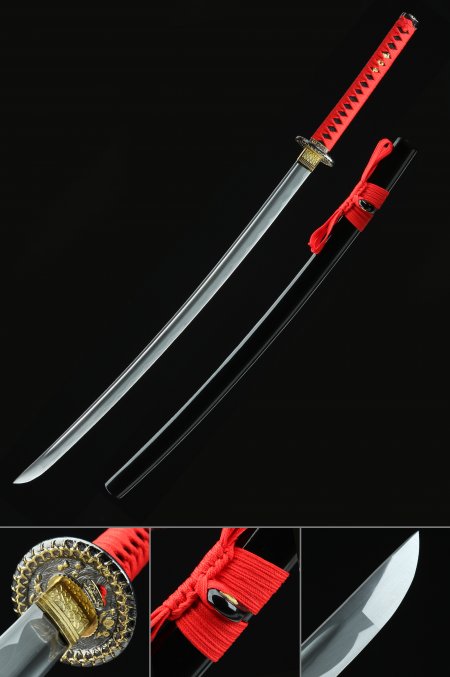
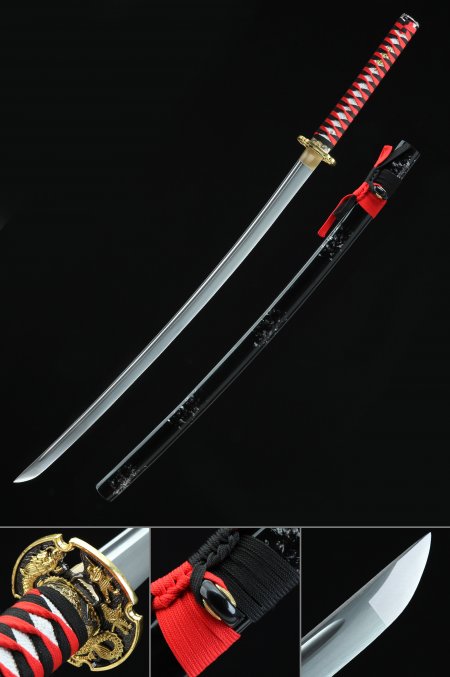
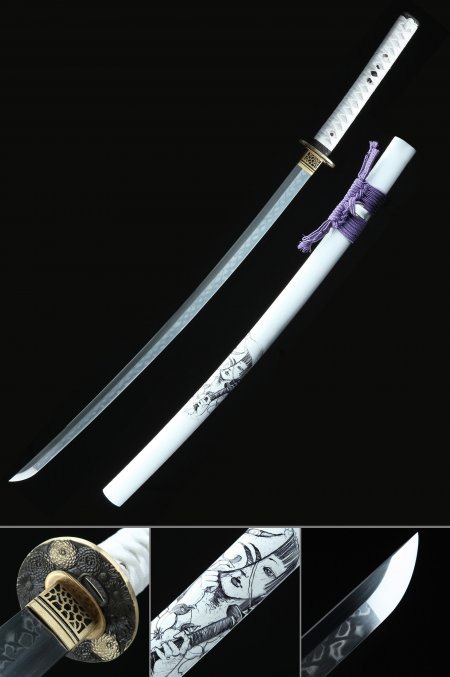
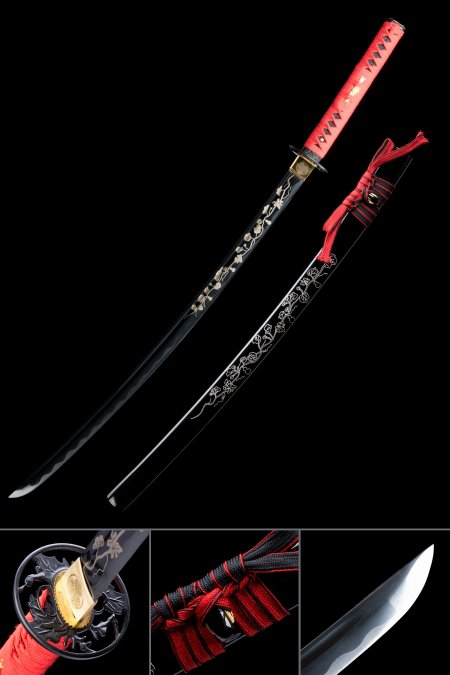
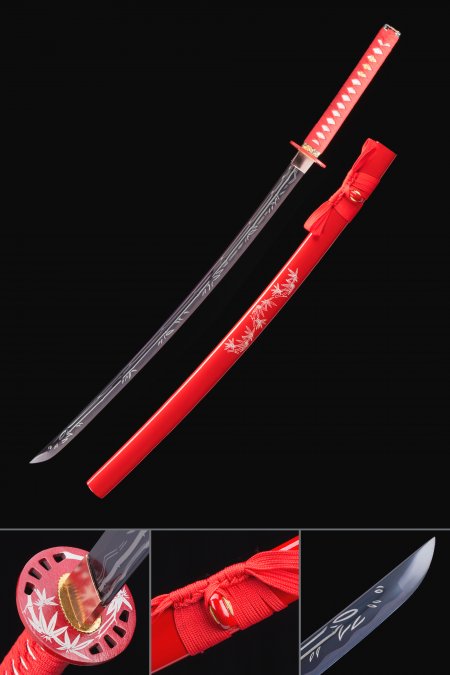
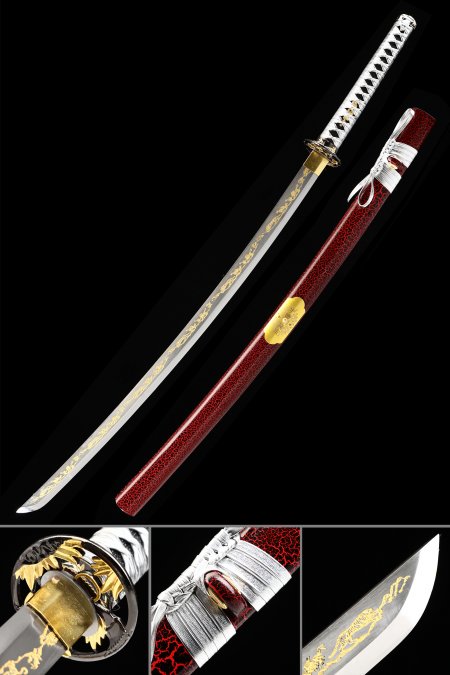
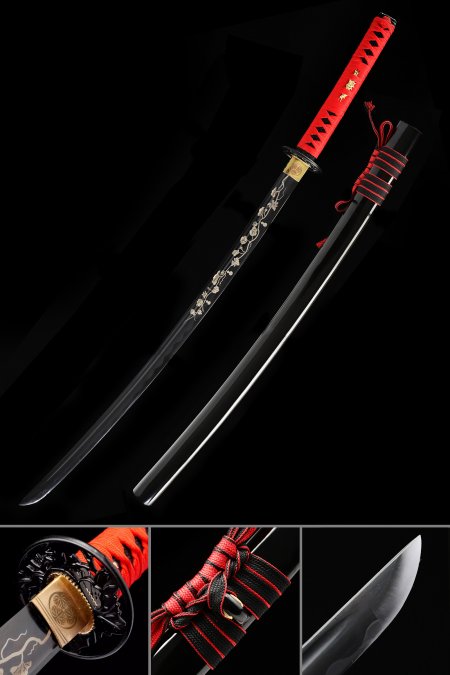
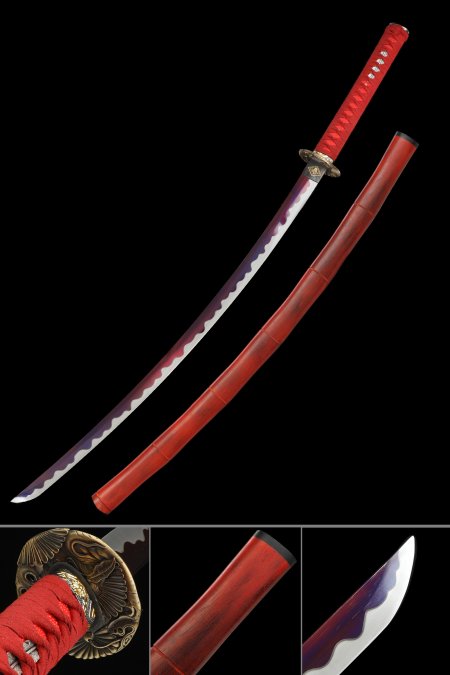
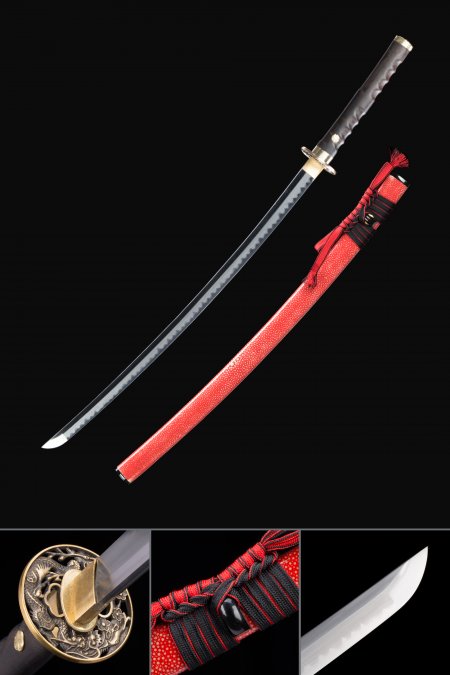
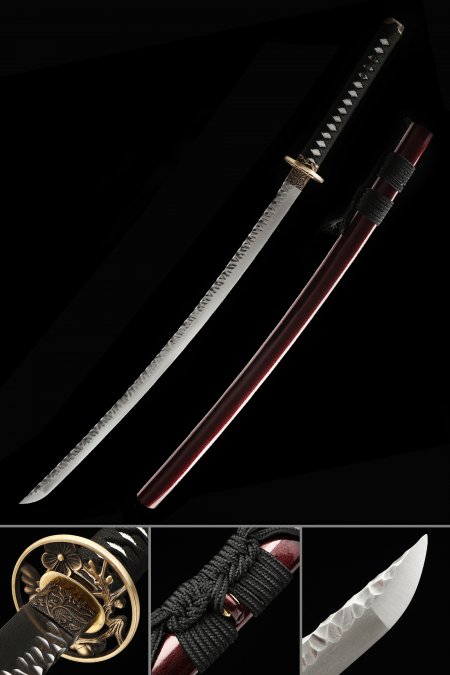
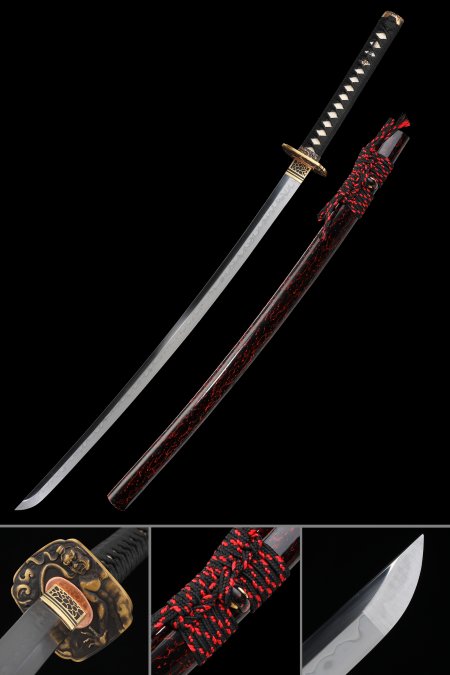
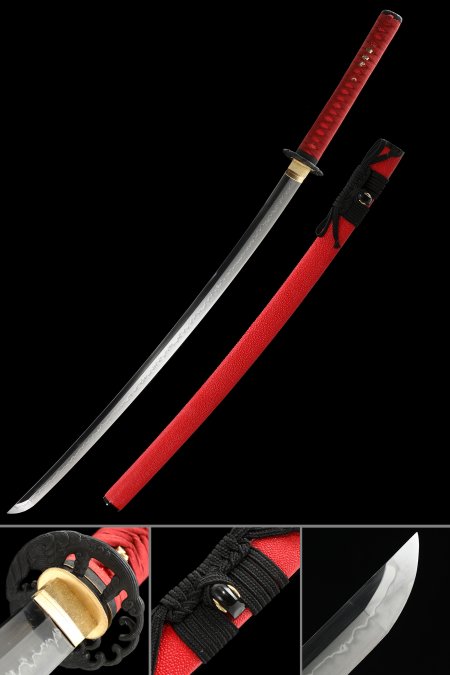
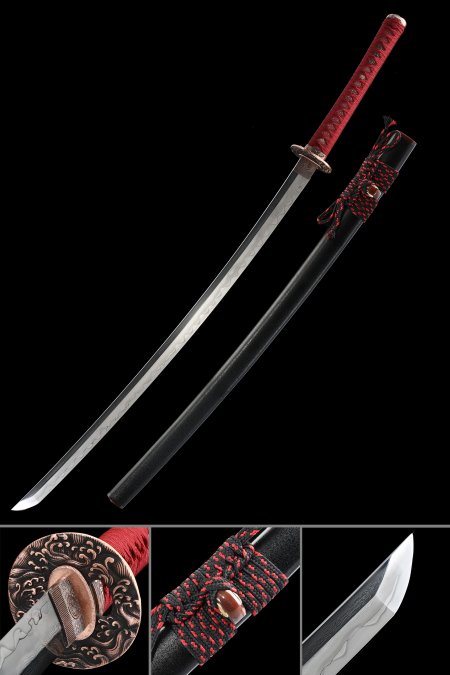
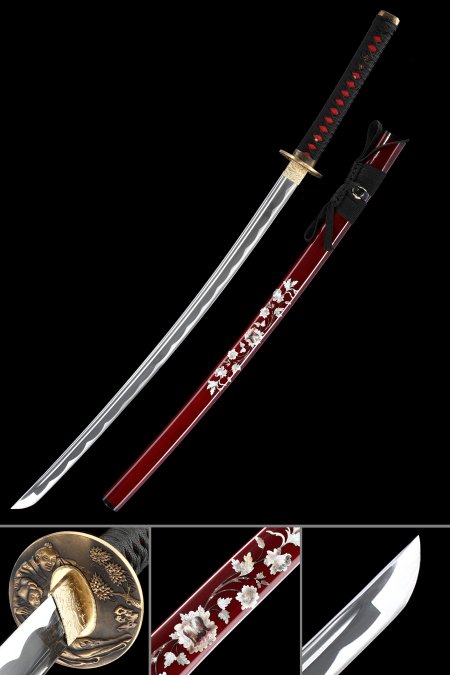
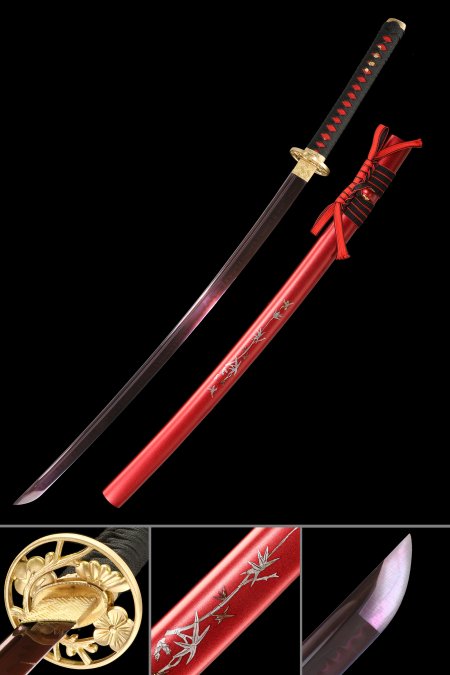
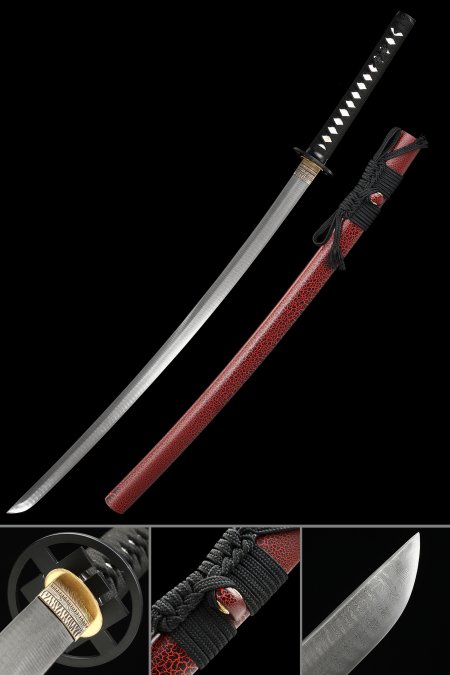
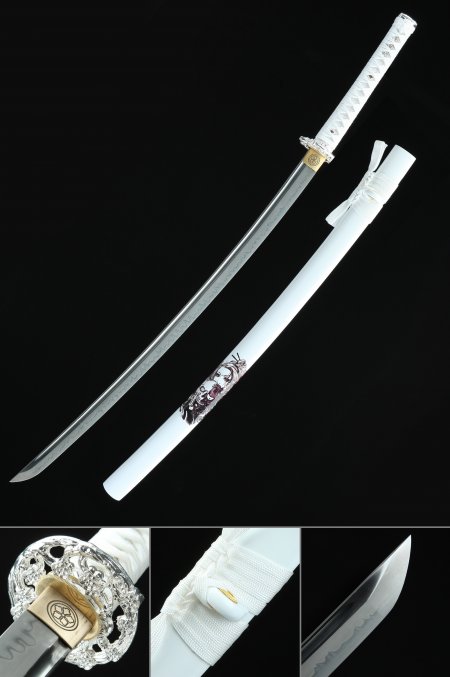
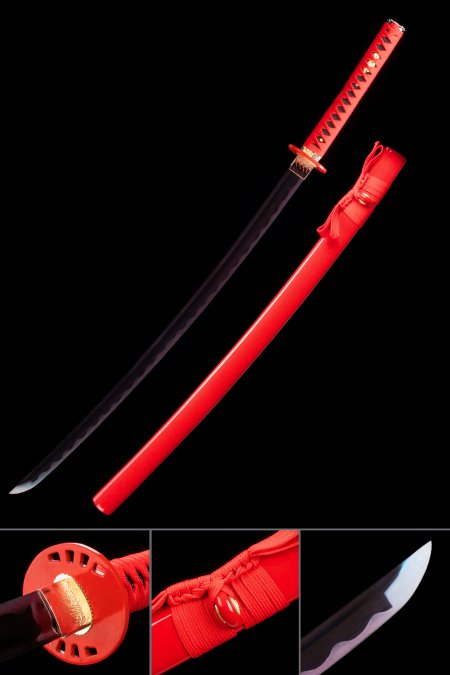
Explore our curated selection of red and white katana collectibles — each piece hand-forged by seasoned artisans using traditional Japanese sword-making techniques. From clay-tempered T10 steel blades with real hamon lines to intricately folded Damascus steel with crimson finishes, every katana in this collection pairs striking red and white aesthetics with museum-worthy craftsmanship. All orders ship free worldwide with hassle-free returns.
Showing 83 Products

Related Collections

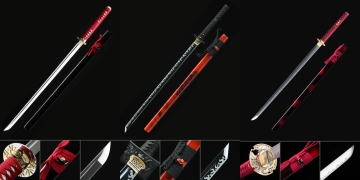
Red Ninjato7 items


29 Reviews

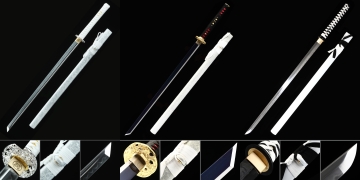
White Ninjato3 items


23 Reviews

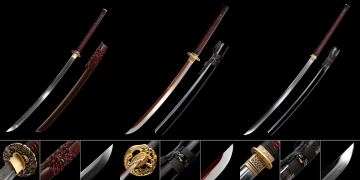
Red Naginata1 items


Reviews

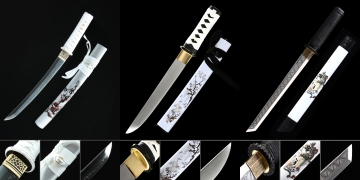
White Tanto6 items


34 Reviews

Frequently Asked Questions

What steel types are used in red and white katana?
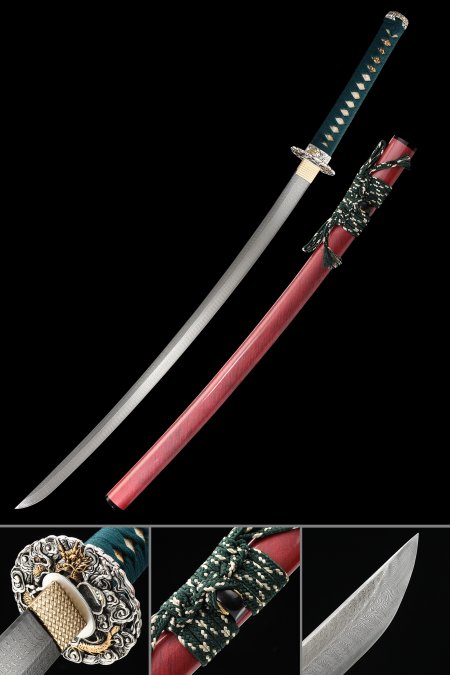
This collection includes several distinct steel types, each with its own characteristics. 1045 carbon steel is the most approachable option — it forges cleanly, accepts a bright polish, and provides solid structural integrity for display mounting. 1060 manganese steel introduces slightly higher carbon content and added manganese, which improves grain refinement and gives the blade a bit more resilience during handling. T10 tool steel is a tungsten-alloyed carbon steel favored for clay tempering; the tungsten addition helps the steel retain hardness at higher temperatures during the quenching process, which produces a more pronounced and authentic hamon line. Folded Damascus steel blades are created by layering and forge-welding multiple steel billets, then folding them repeatedly to produce visible grain patterns called hada. Each steel type serves a different collecting priority, whether that's visual aesthetics, metallurgical complexity, or traditional authenticity.
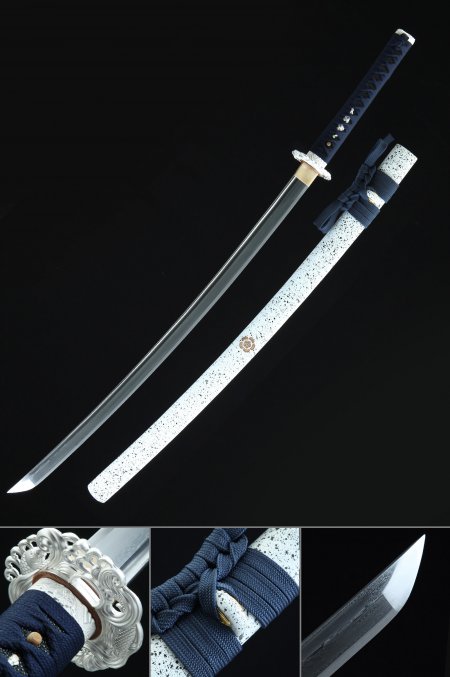
How does clay tempering create a real hamon line?
Clay tempering (tsuchioki) is a differential hardening technique with roots in feudal-era Japanese swordsmithing. Before the blade is heated for quenching, the smith applies a mixture of clay, ash, and charite powder along the spine and body of the blade in a thicker layer, while leaving the edge area thinly coated or exposed. When the heated blade is plunged into water, the thinly coated edge cools rapidly and becomes extremely hard (martensite), while the thicker-clad spine cools more slowly and remains softer and more flexible (pearlite). The visible boundary between these two crystalline structures is the hamon. Because the clay is applied by hand and varies in thickness and pattern, every hamon is unique. On T10 steel, the tungsten content helps produce a particularly crisp and well-defined hamon that stands out after final polishing — making these pieces especially valued among collectors who prioritize metallurgical authenticity.
What makes the red lacquer finish on the saya special?
The saya (scabbard) finishes in this collection use urushi-style lacquering techniques adapted for modern production. Piano lacquer, the most common finish here, involves applying multiple thin coats of high-gloss lacquer to carved hardwood, with sanding and buffing between each layer. The result is a mirror-like surface with exceptional depth of color. Dark red and crimson variants achieve their hue through iron oxide or synthetic pigment mixed into the lacquer base. Crackle-textured finishes use a controlled drying technique where a faster-drying top coat is applied over a slower-drying base, causing the surface to fracture into an organic web-like pattern. This texture catches light differently at every angle, adding visual dimension to the display. Each saya is fitted precisely to its blade with a friction-fit system — no rattling or looseness — ensuring a satisfying click when the blade is seated.
How should I store and maintain a red and white katana?
Proper storage preserves both the blade and the lacquered fittings. Mount the katana horizontally on a sword stand (katanakake) with the edge facing upward to prevent the blade's weight from resting on the cutting edge. Keep it in a room with stable humidity between 40–55% — excessive moisture promotes rust on carbon steel, while extremely dry air can crack lacquered wood over time. Every four to six weeks, remove the blade from the saya and apply a thin film of choji oil (clove oil) or refined mineral oil using a soft, lint-free cloth. Wipe away any fingerprints, as skin oils accelerate oxidation on bare steel. For the lacquered saya, a dry microfiber cloth is sufficient; avoid chemical cleaners that can dull or strip the finish. If you display the sword near a window, consider UV-filtering glass or film, since prolonged sunlight can fade red ito wrap and discolor lacquer over several years.
Can red and white katana be paired as a daisho set?
Absolutely — building a daisho (matched long and short sword pair) is one of the most rewarding approaches to katana collecting. The red and white katana serves as the daito (long sword), and you can pair it with a wakizashi or tanto that shares the same color scheme and finish style. Our Red Scabbard Wakizashi collection offers shorter blades with matching crimson saya and complementary fittings, making it straightforward to assemble a cohesive set. When selecting a pairing, look for consistency in saya lacquer type (piano lacquer with piano lacquer, for example), similar tsuba metal tones, and coordinating ito wrap colors. A well-matched daisho displayed together on a tiered stand creates a striking visual statement and historically references the samurai tradition of carrying two swords as a mark of social status and martial readiness.

Customer Reviews

Richard Maverick Robinson Georgia, United States

The blade looks outstanding and it has a really good practical edge. I am a combat haso no kamae fencing instructor with kenjutsu/kendo roots. I used it for test cutting 1 1/2 inch bamboo and tameshigiri with no issues. The katana is mounted solidly and is a good buy for the price point and practicality. It arrived in a timely manner and was well packaged. Is recommend orchard from true katana if you're in the market for a strong, sharp and affordable sword. (Please note that if you want a razor sharp blade then it won't stand up to the stress. The reason is that to get it that sharp the metal has to be thinned.) If you can cut bamboo with it and no damage then it's a good blade. Keep in mind that bamboo is hard and of you damage your T-10 blade or any blade, then it is through no fault of True Katana. Knowing how to cut raises a lot of practice. Grandmaster Maverick- Grovetown, Ga.
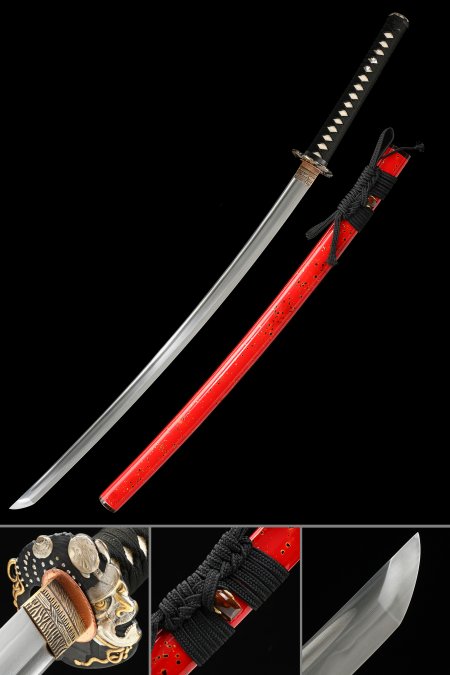
T10 Steel Katana with Purple Blade in Red Lacquered Saya - Gold Chrysanthemum Tsuba T10 Steel Katana with Purple Blade in Red Lacquered Saya - Gold Chrysanthemum Tsuba
Cart 0 Items

Your cart is empty