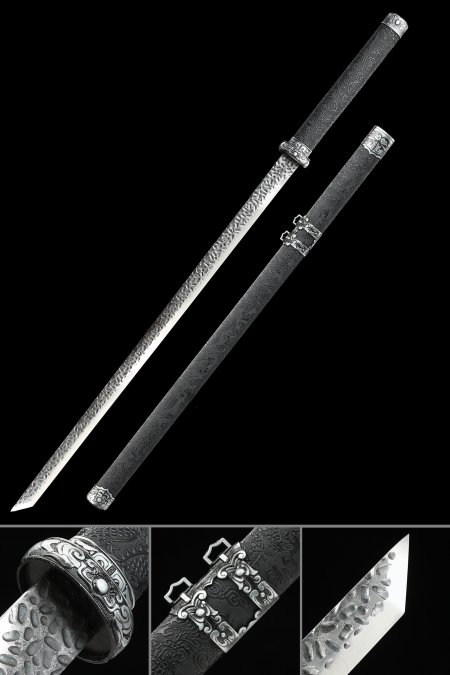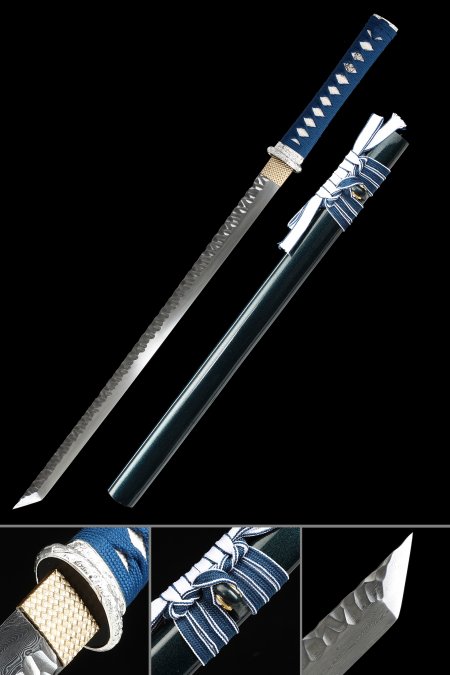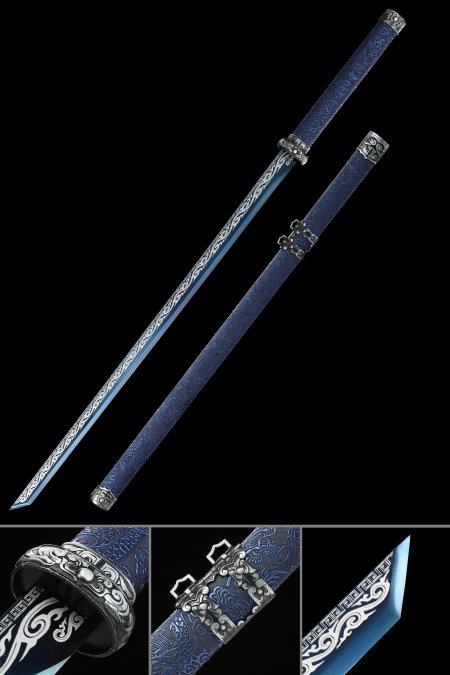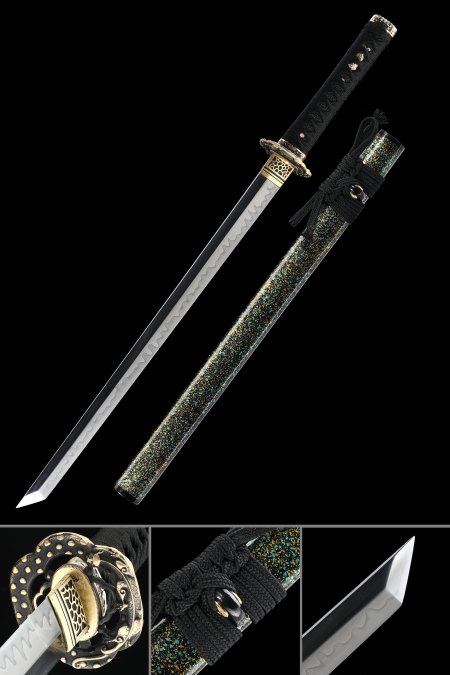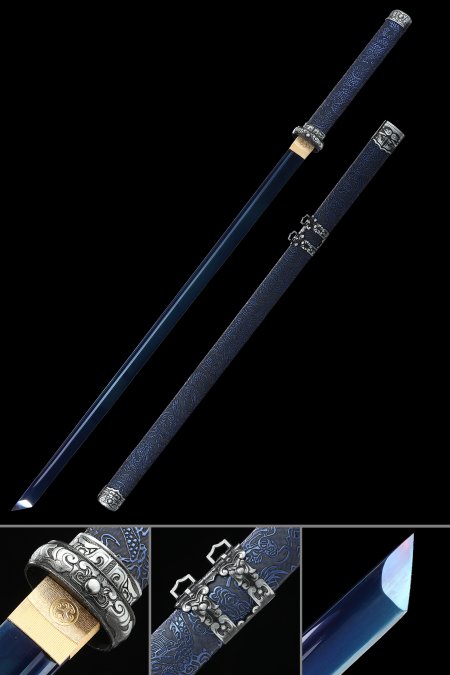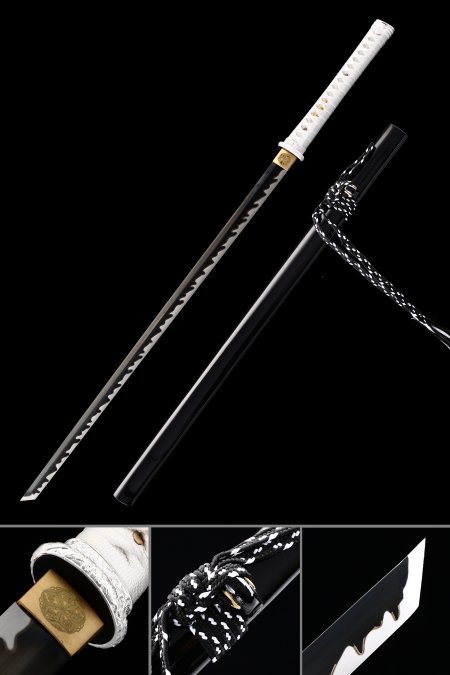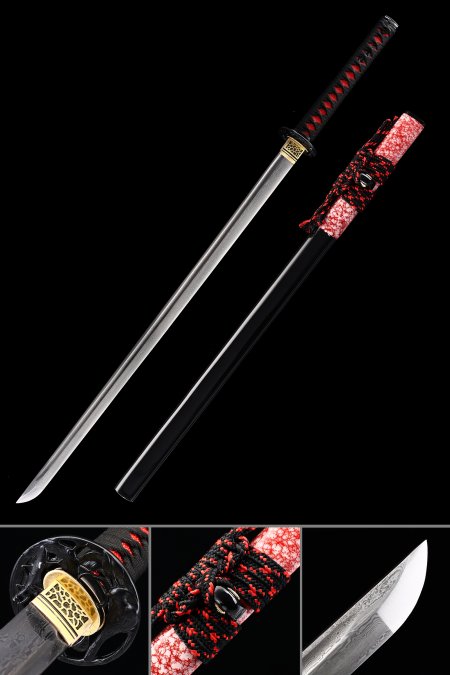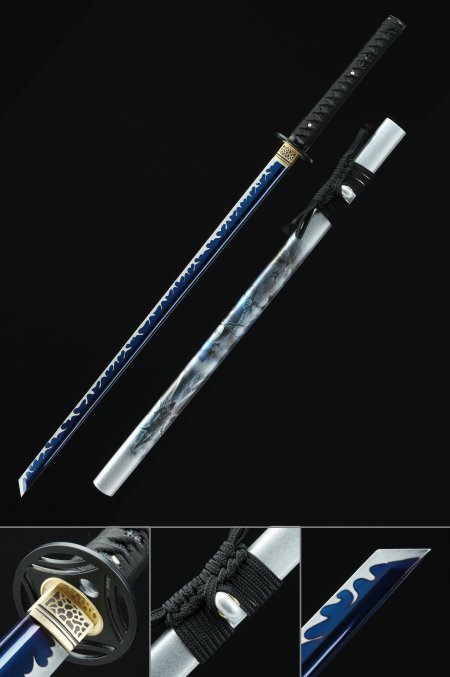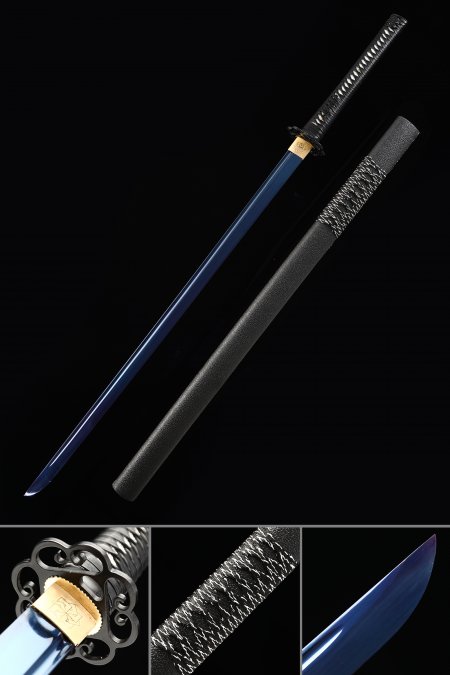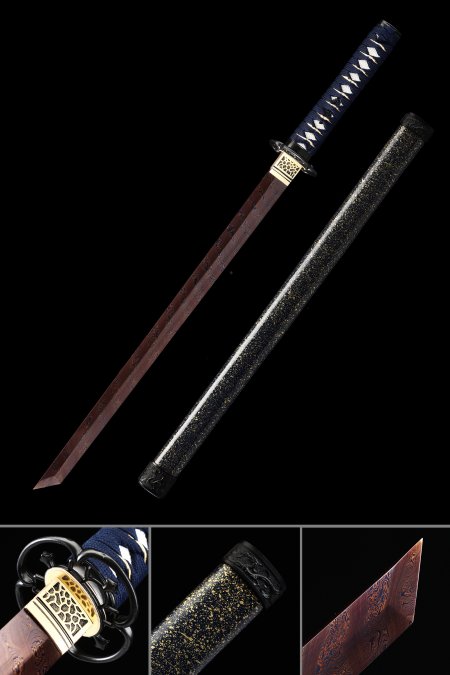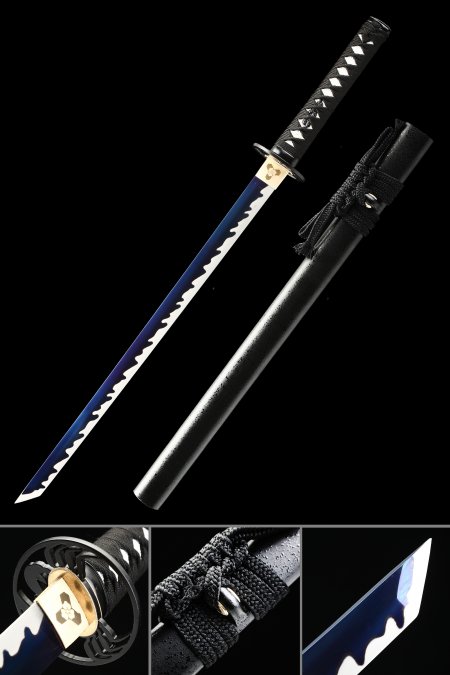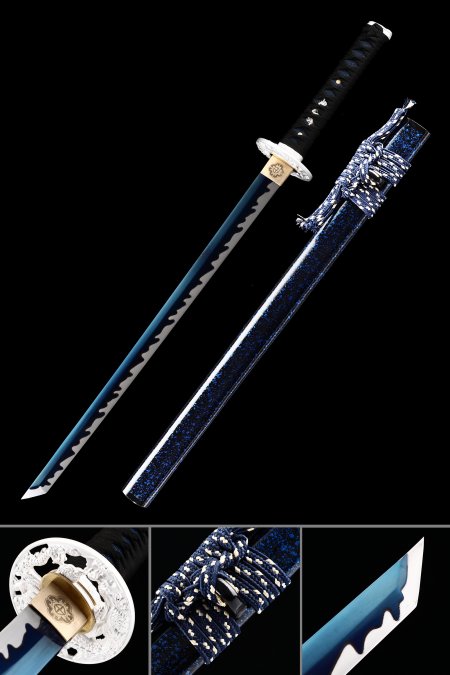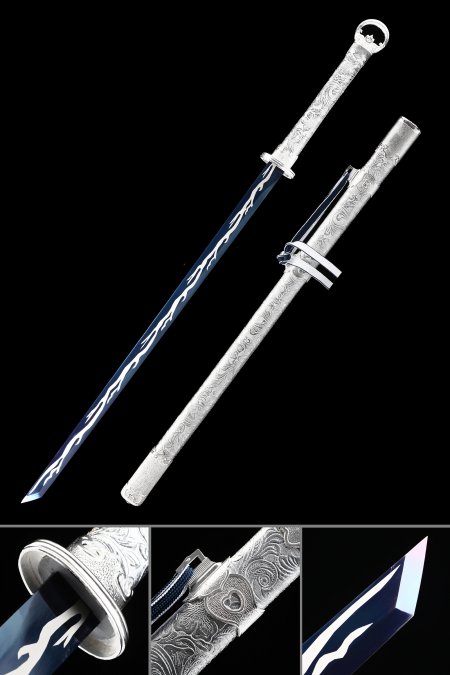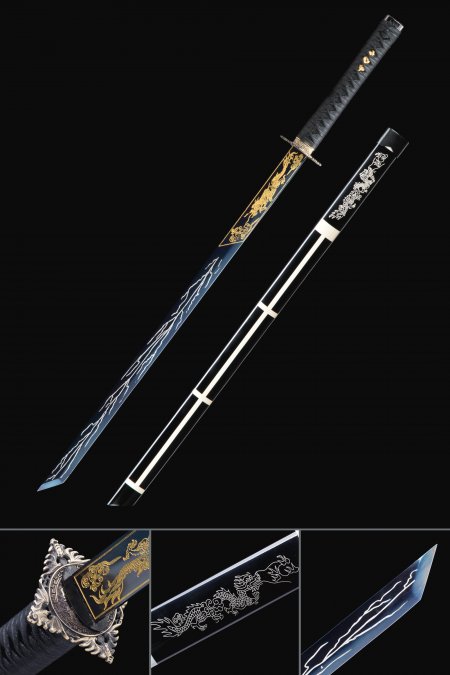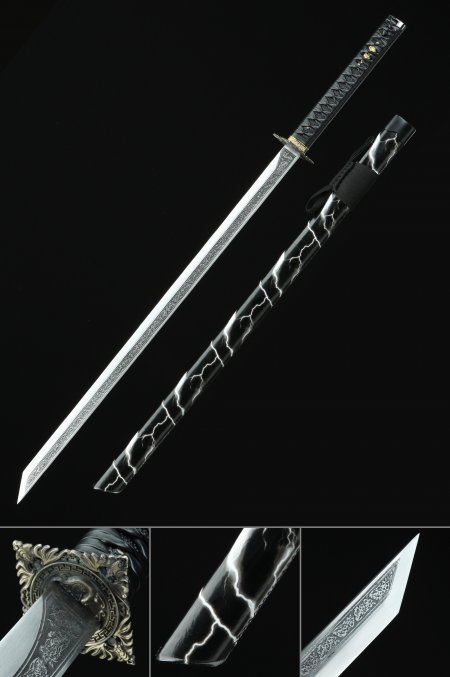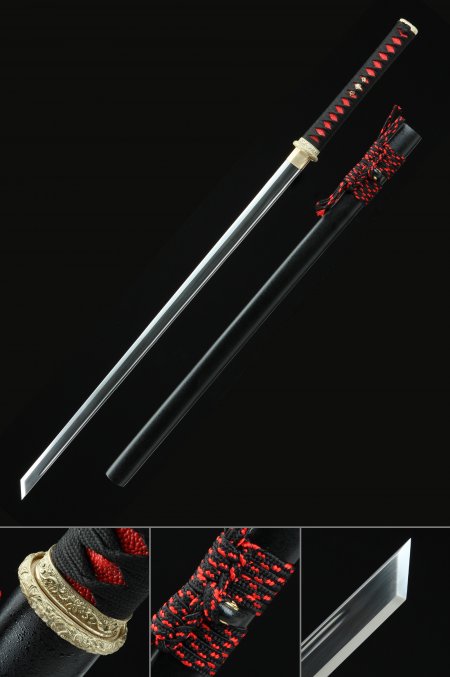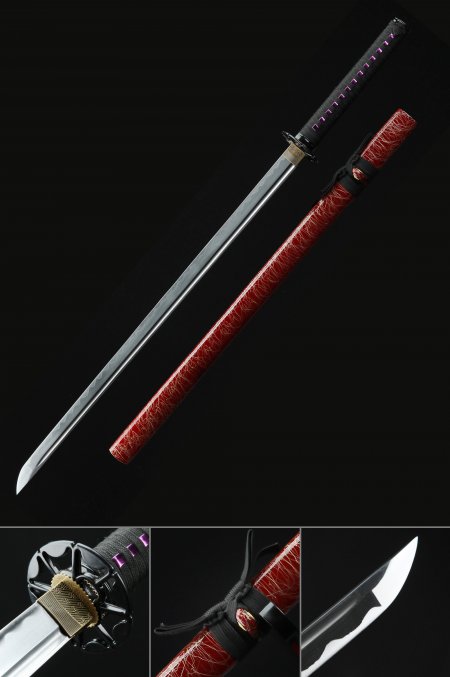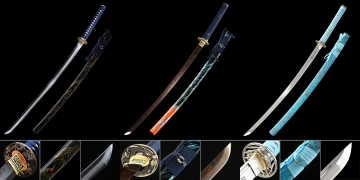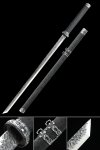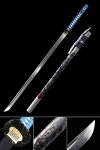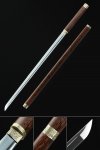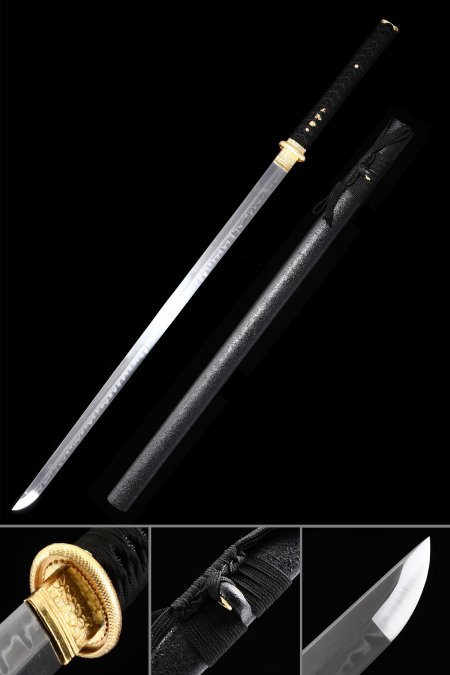
Ornate Scroll Tsuba Ninjato

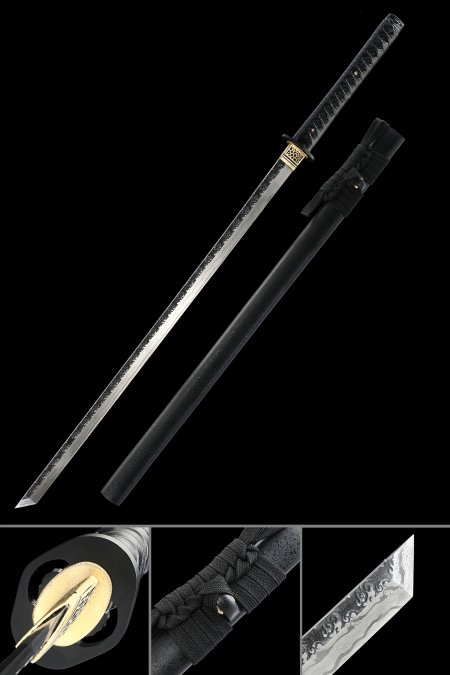
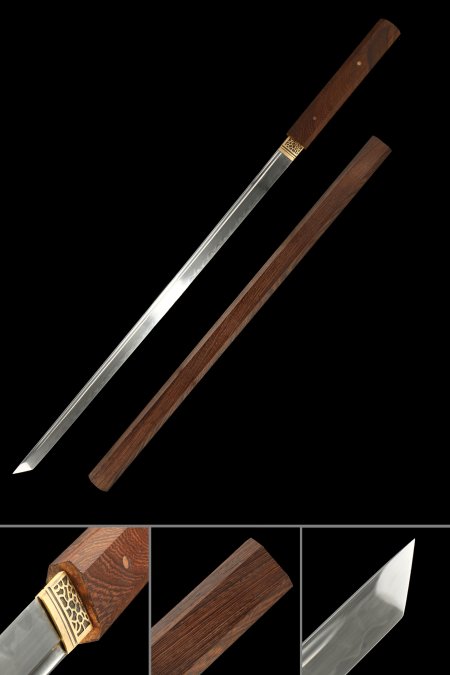
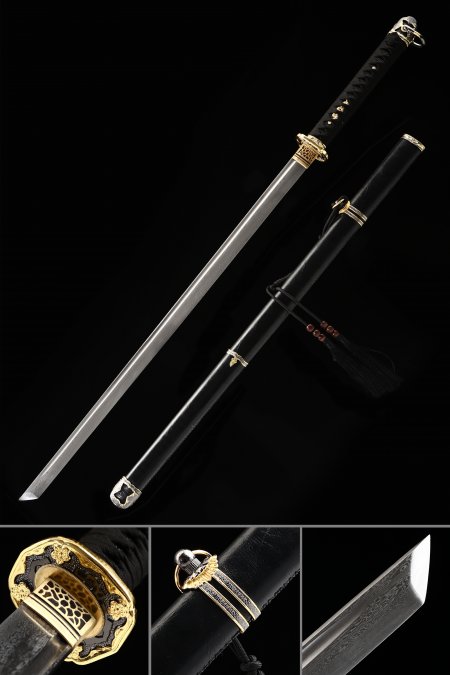
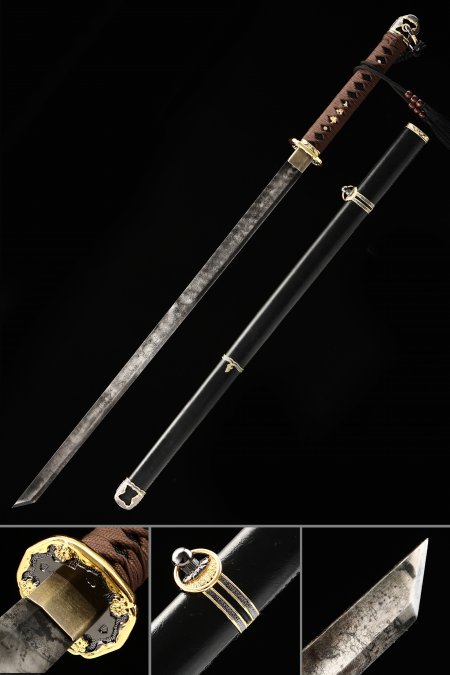
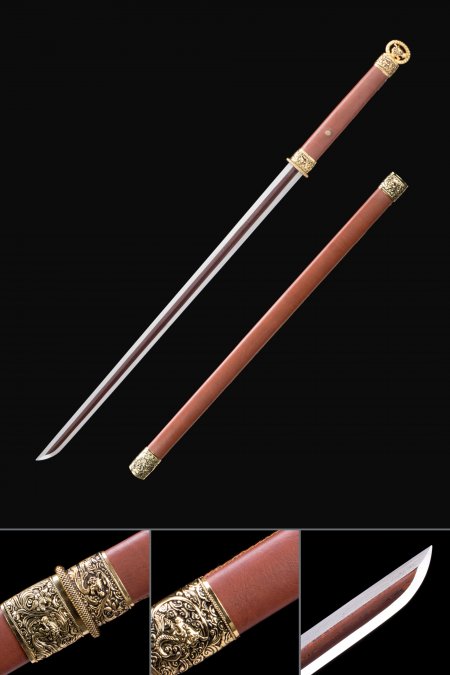
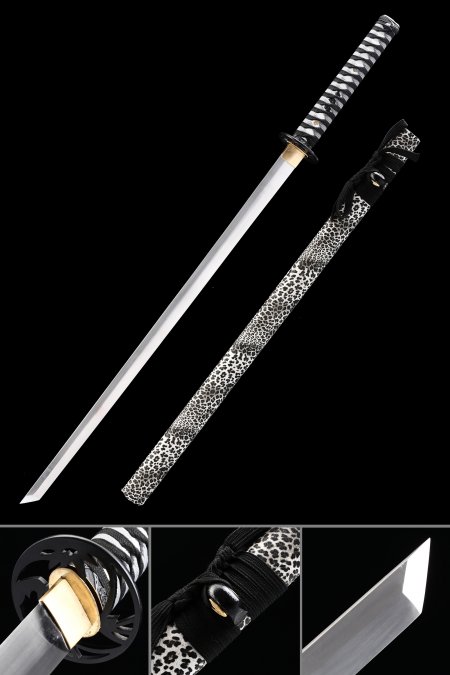
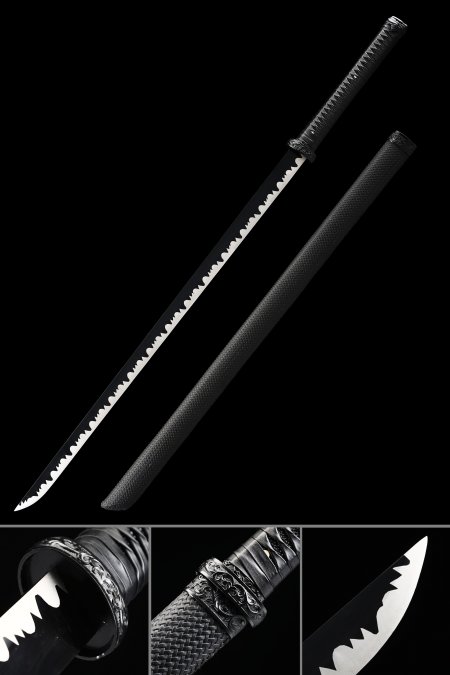
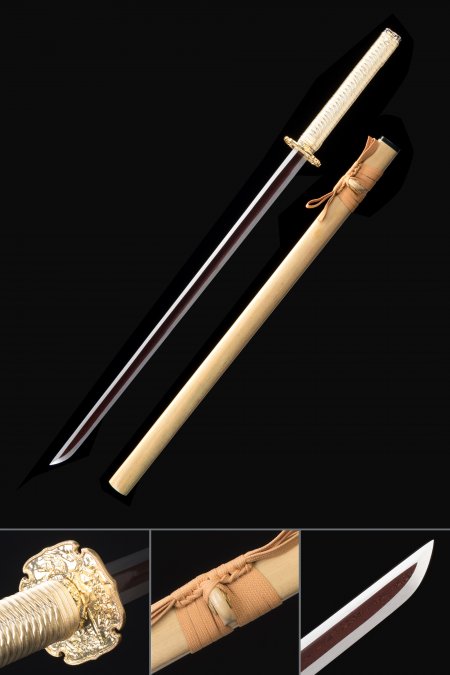
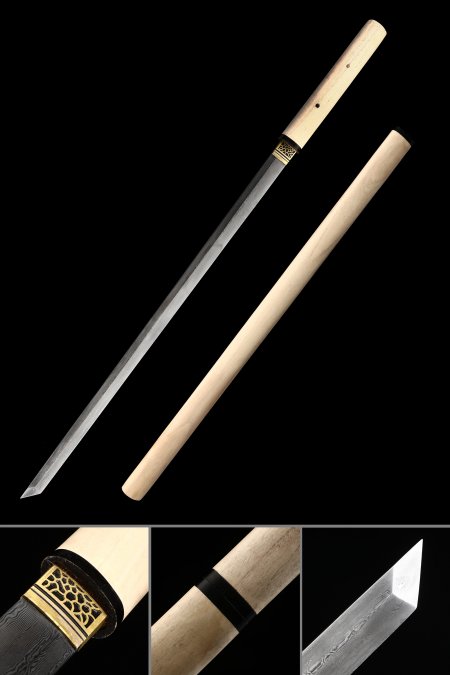
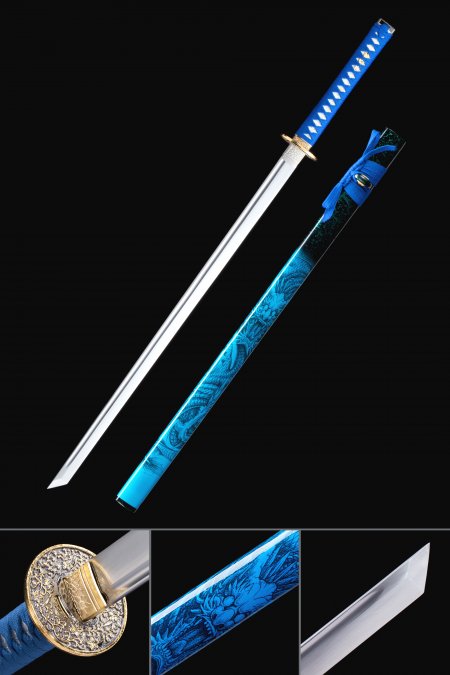
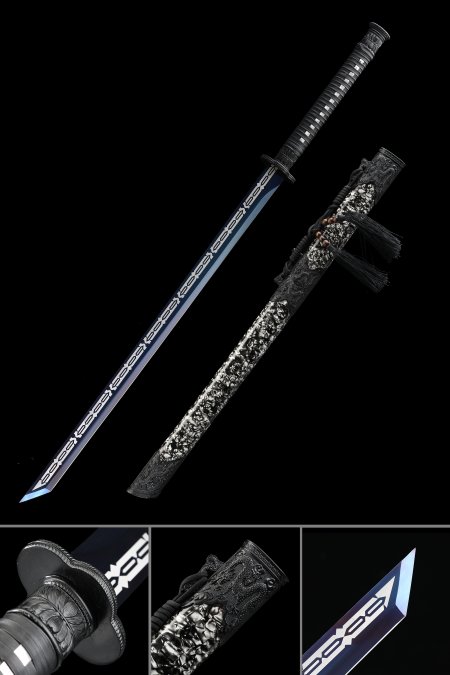
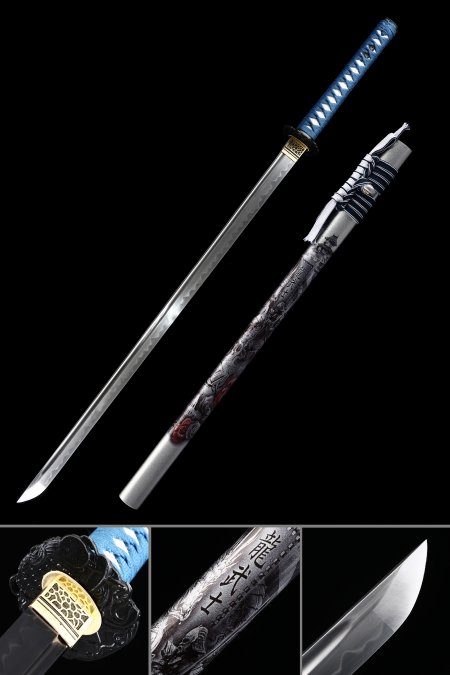
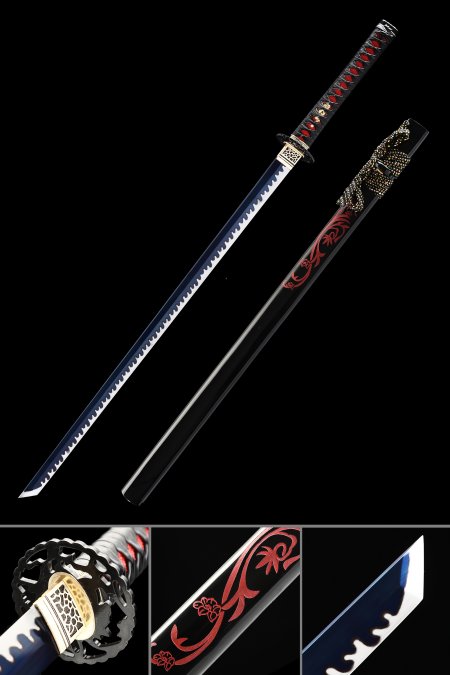
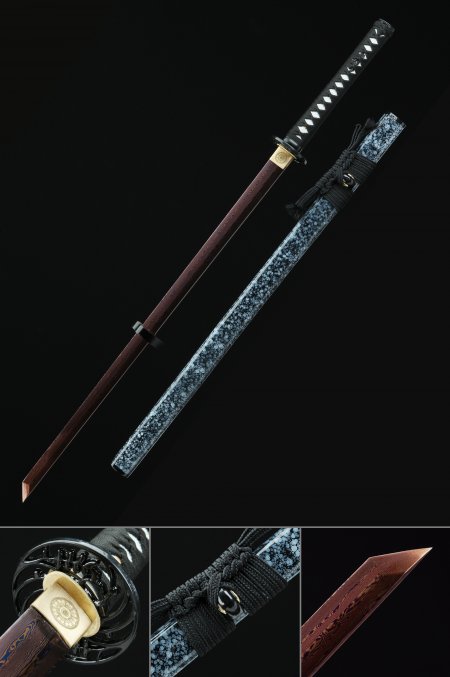
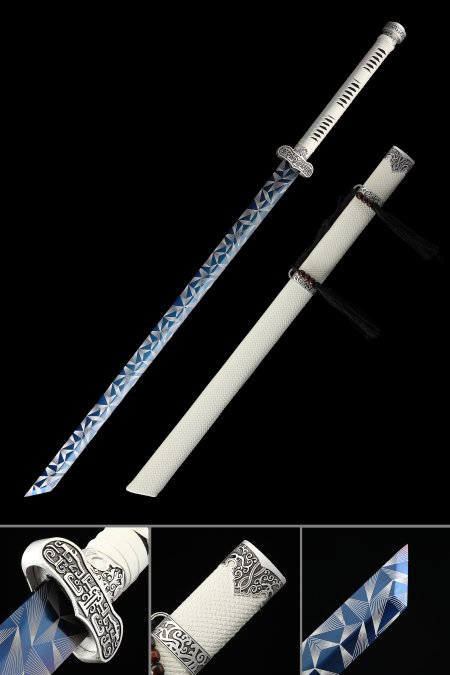
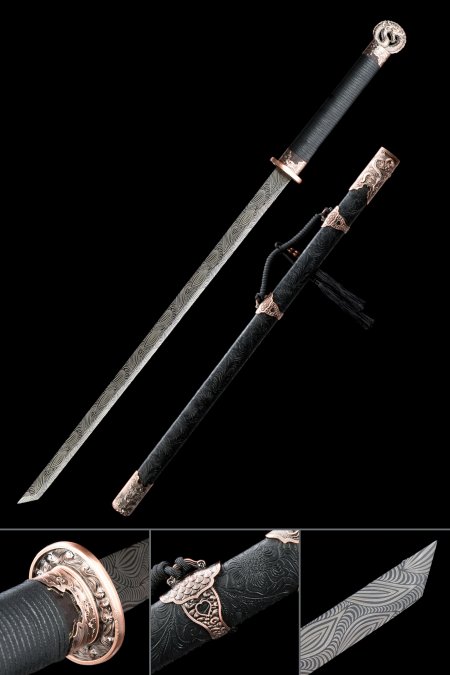
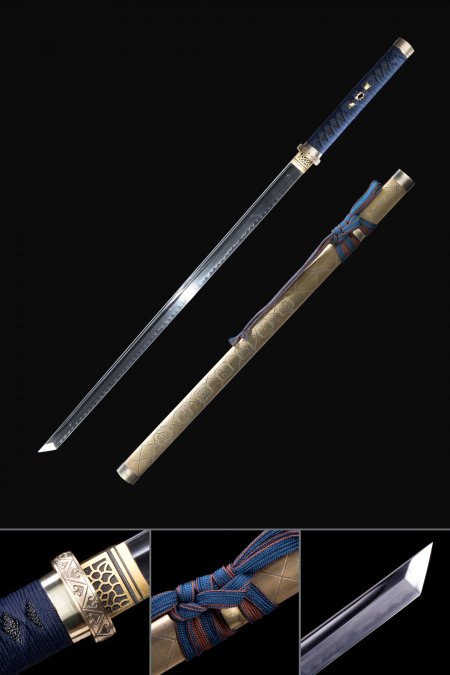
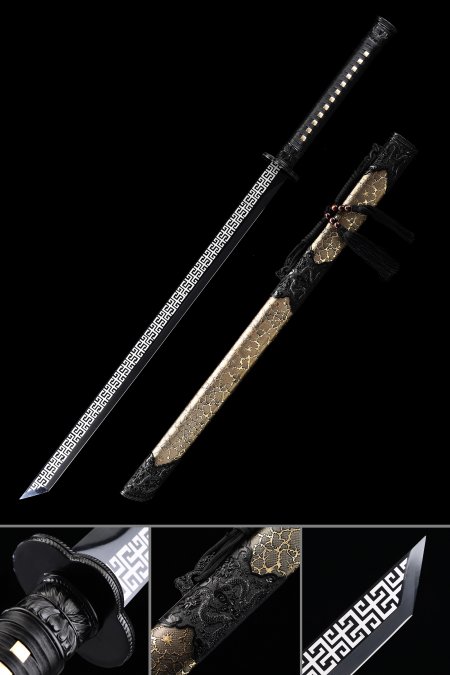
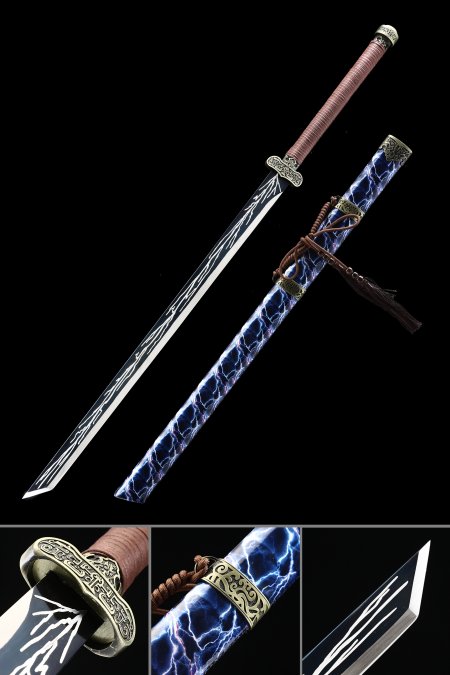
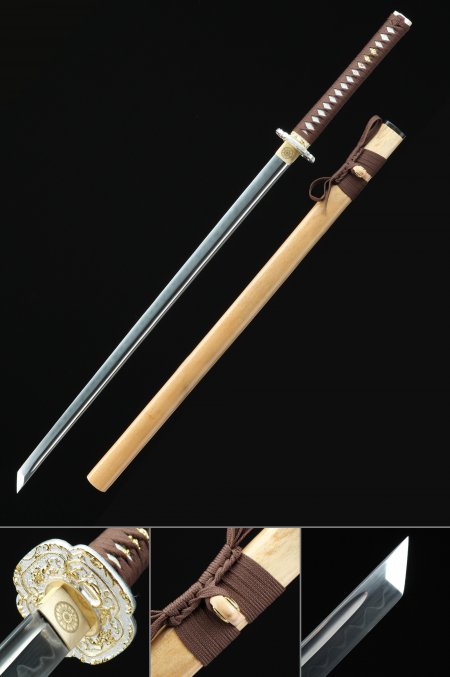
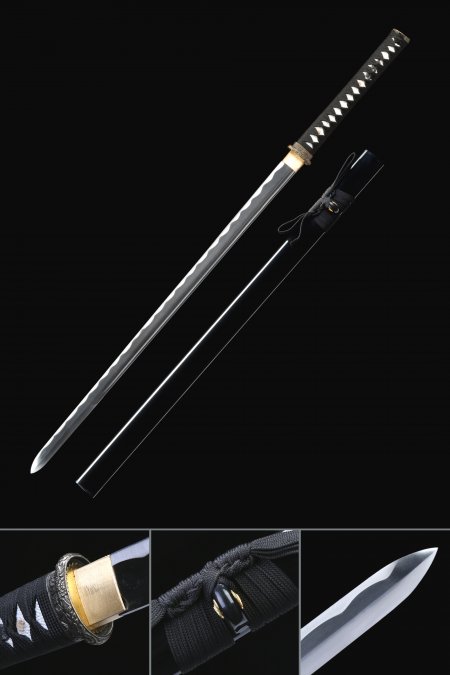
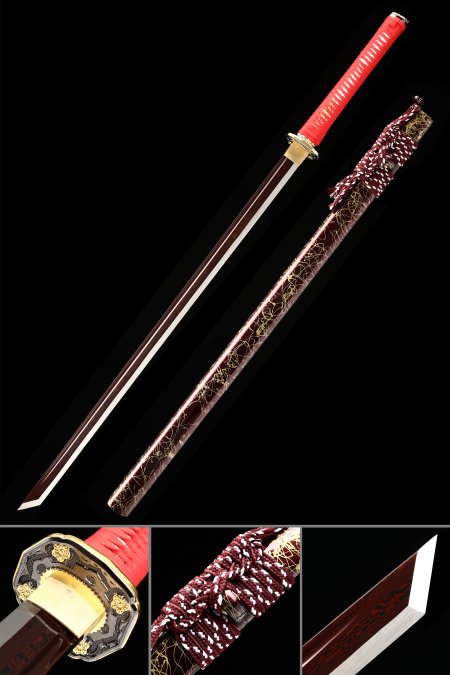
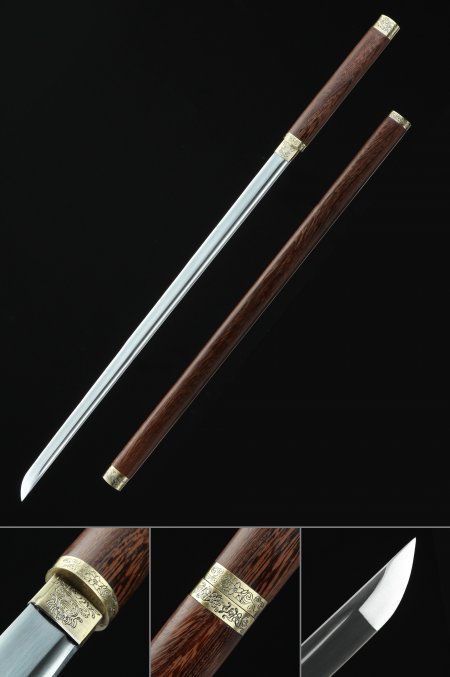
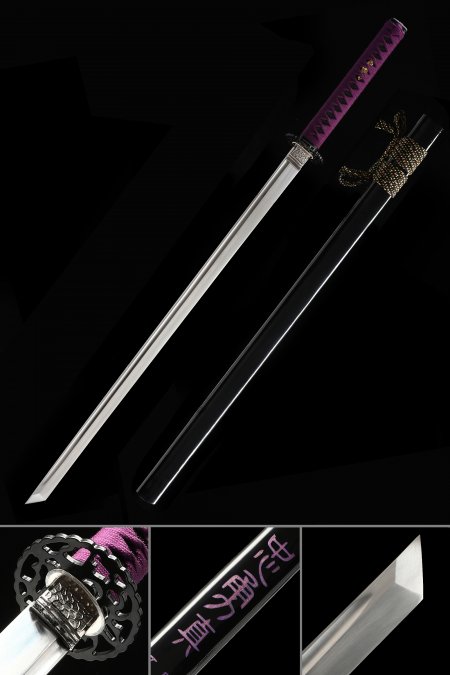
Explore our Ornate Scroll Tsuba Ninjato collection - a curated selection of straight-bladed Japanese swords distinguished by intricately cast alloy guards featuring classical scroll motifs. Each piece is crafted with full-tang construction, quality carbon or Damascus steel blades, and coordinated koshirae fittings that reward close study. Whether displayed on a wall mount or presented in a collector's cabinet, these ninjato make a compelling visual statement. Enjoy free standard shipping on every order, plus hassle-free returns for complete peace of mind.
Showing 42 Products

Related Collections

Skull Tsuba Katana28 items


109 Reviews

Flame Blade Katana29 items


284 Reviews

Beige Saya Katana32 items


96 Reviews

Crane Tsuba Katana29 items


36 Reviews

Frequently Asked Questions

What defines the ornate scroll tsuba style on these ninjato?
The tsuba on these ninjato is cast from alloy metal and features classical scroll and foliage relief patterns - a decorative vocabulary drawn from Edo-period Japanese metalwork traditions. Unlike plain iron or geometric-cut guards, scroll tsuba have a layered surface with raised curves and negative space that catch light differently depending on viewing angle. Most examples in this collection are finished in brass tone, gold alloy, or silver-black contrast, each coordinated to match the surrounding koshirae. For collectors, the tsuba is often the most scrutinized fitting because it reflects the overall attention to detail in the entire assembly.
How does T10 clay-tempered steel differ from 1045 carbon steel?
T10 is a high-carbon tool steel with a tungsten additive that improves wear resistance and allows the steel to respond distinctly to clay tempering - a process where clay is applied to the blade spine before quenching, causing the edge to cool faster and harden more deeply than the spine. This differential hardening produces a visible hamon, a misty crystalline line running along the blade. 1045 carbon steel contains less carbon and is more commonly oil-quenched through its full cross-section, producing a uniform temper without a natural hamon. For collectors prioritizing visual authenticity and heat-treatment craftsmanship, T10 clay-tempered pieces carry a clear advantage. 1045 blades, by contrast, offer a bright mirror-polish finish at a more accessible price point.
Are Damascus steel ninjato blades each visually unique?
Yes - every Damascus blade is genuinely one of a kind. The pattern results from forge-welding two or more steel billets, then drawing, folding, and twisting the combined material before grinding to final profile. Because the banding shifts with each fold and each individual smith's technique, no two finished blades share an identical surface pattern. Some blades in this collection display tight ladder patterns; others show wider flowing grain. An acid etch applied during finishing reveals the full contrast between the iron and steel layers. Collectors who value uniqueness often find Damascus ninjato among the most photographable pieces in any straight-blade display.
How should I store and maintain a ninjato with a lacquer saya?
Lacquer saya should be stored horizontally or at a slight downward angle (edge up) on a sword stand, away from direct sunlight, humidity extremes, and heating vents. UV light fades colored lacquer finishes over time, so display cabinets with UV-filtering glass are ideal. The blade itself should be lightly wiped with a soft, lint-free cloth before insertion, and a very light application of choji oil or camellia oil every few months prevents oxidation on carbon steel blades. Avoid silicone-based products, which can degrade lacquer and natural wood. Never store the blade in the saya for extended periods without occasional removal to check for trapped moisture, which can cause spotting on both the steel and the inner wood lining.
What display arrangements work well for a ninjato collection?
Ninjato display best when their straight-blade geometry is allowed to contrast with other elements - either against each other or alongside curved-blade pieces. A horizontal two-sword wall mount pairing a red lacquer saya ninjato with a natural wood saya version creates immediate color contrast. Vertical display stands allow the full length and saya detail to be appreciated without wall installation. For a study-quality arrangement, grouping blades by steel type - placing a Damascus piece beside a clay-tempered T10 - lets visitors read the different surface characters at a glance. Cabinet display with interior lighting is particularly effective for scroll tsuba, since directional light emphasizes the cast relief detail that makes these guards visually distinctive.

Customer Reviews

Jose Virginia, United States

Like a true ninja it appeared on my doorstep. Beautiful work and it’s a real sword. Heavier than I expected and really solid. A beautiful piece of art that’s fully functional. Came from China and arrived really quickly. Thanks True Katana. Expect a few more orders from me in the near future
T10 Carbon Steel Ninjato with Hamon Blade in Multi-Color Glitter Saya - Black Cord Handle T10 Carbon Steel Ninjato with Hamon Blade in Multi-Color Glitter Saya - Black Cord Handle
Cart 0 Items

Your cart is empty