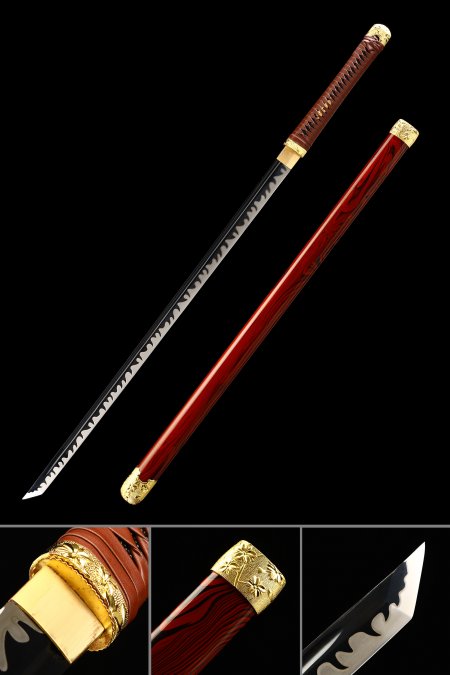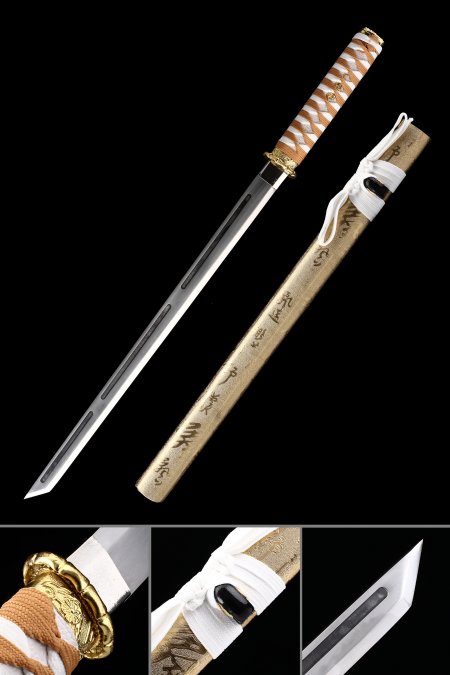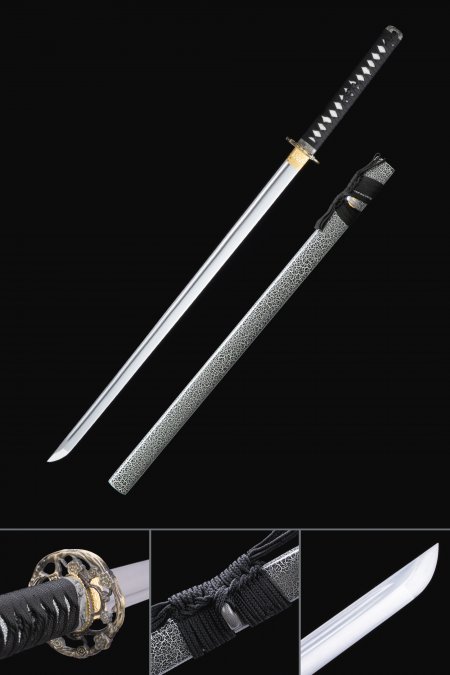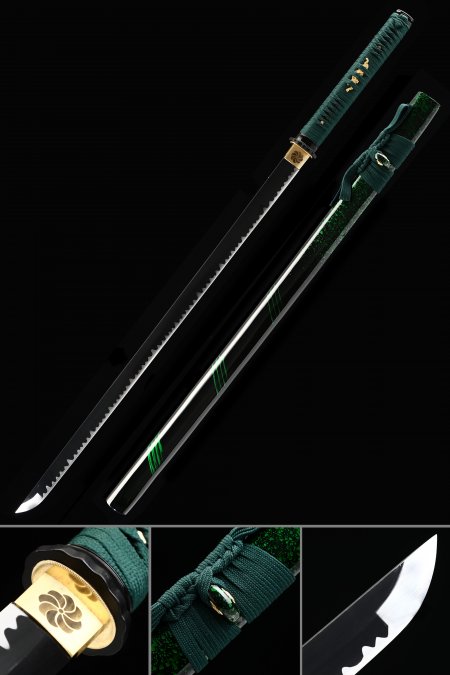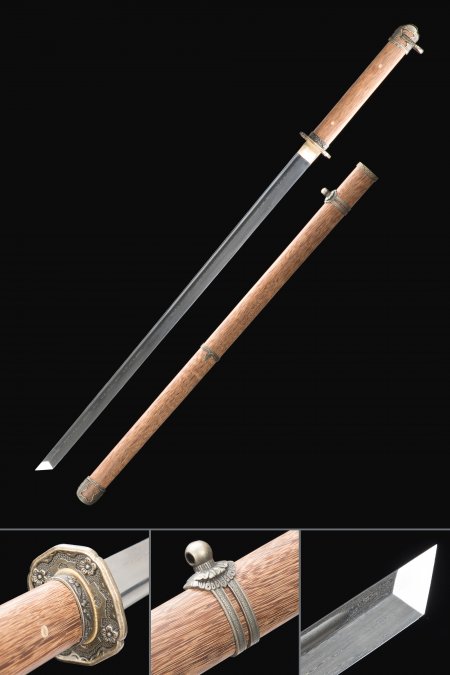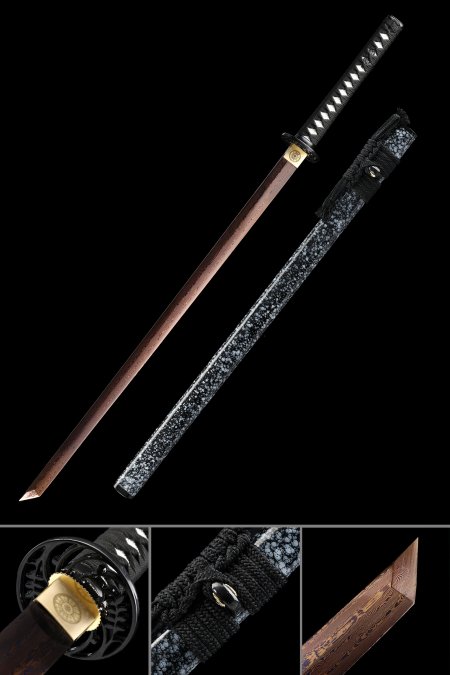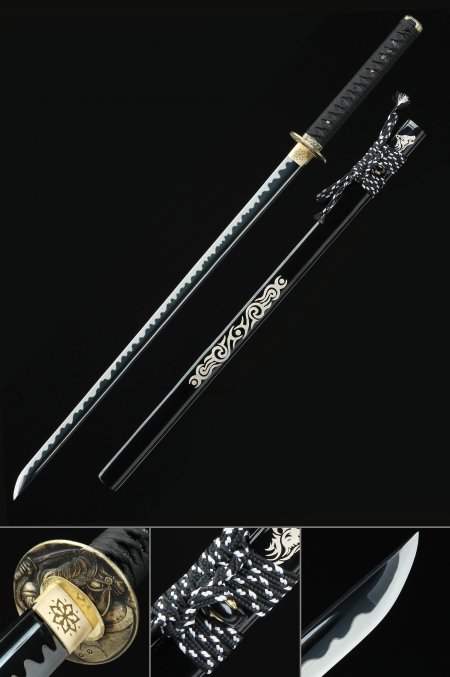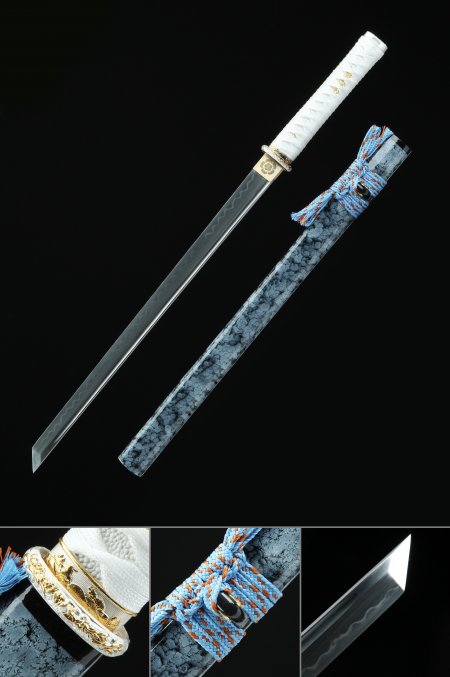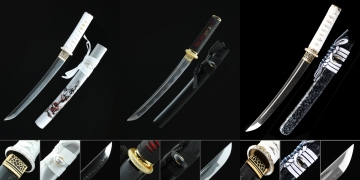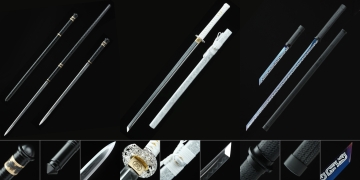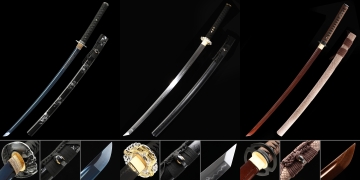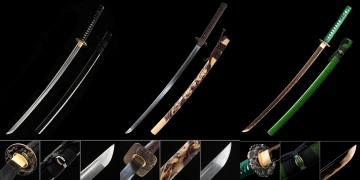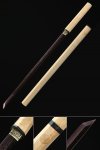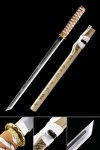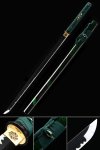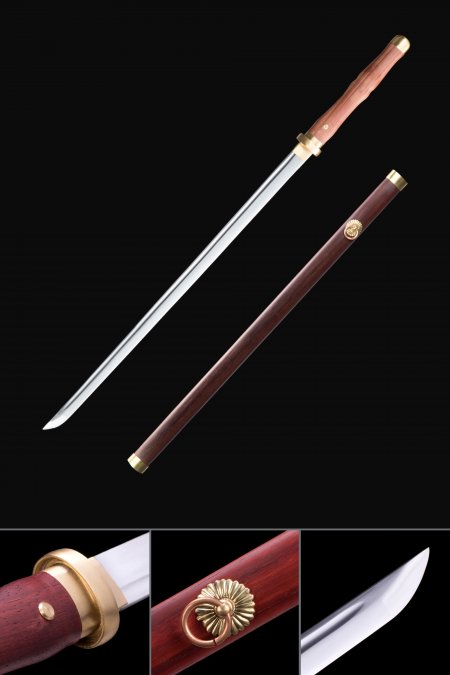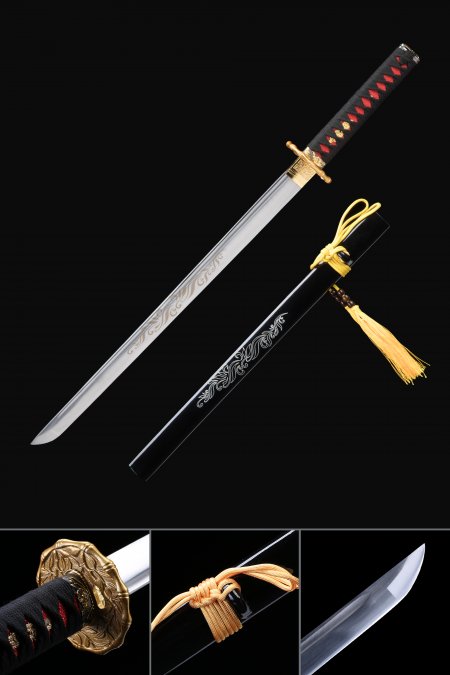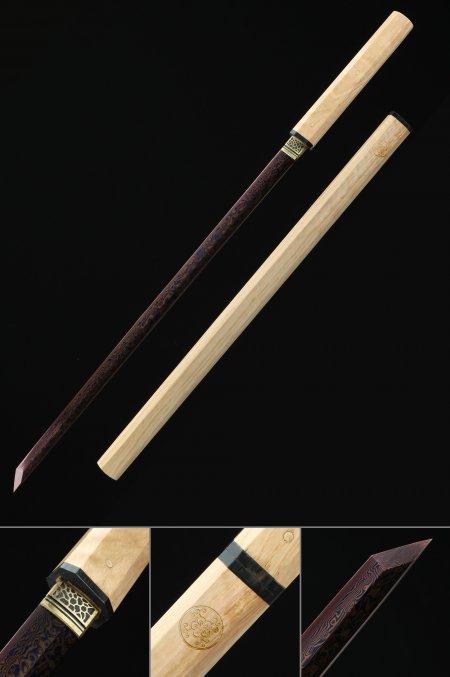
Chrysanthemum Tsuba Ninjato

The Chrysanthemum Tsuba Ninjato collection brings together straight-bladed Japanese swords distinguished by their ornate chrysanthemum guard fittings - a motif historically tied to imperial honor and refined aesthetic sensibility. Each piece is crafted from quality steel including 1045 carbon, manganese, Damascus, and T10, paired with hand-wrapped tsuka and thoughtfully lacquered saya in a range of striking finishes. Whether you are building a curated display or seeking a meaningful gift for a serious collector, every piece ships free with hassle-free returns.
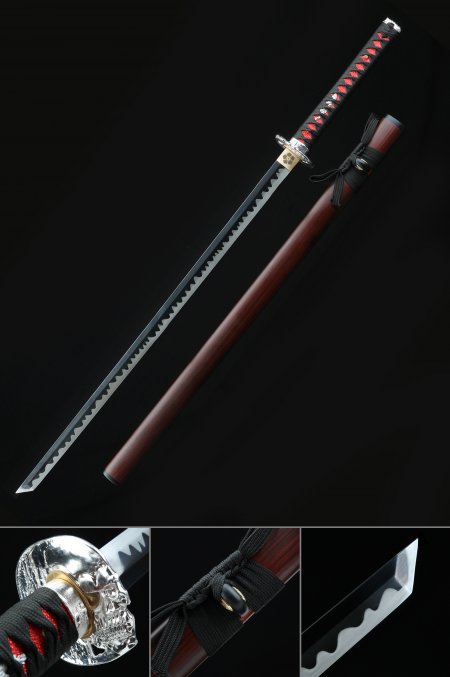
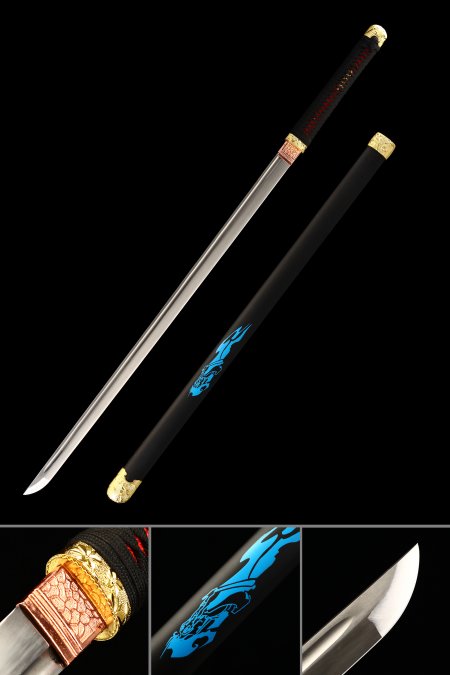
Showing 13 Products

Related Collections

Tanto Blade79 items


382 Reviews

Straight Blade Katana22 items


11 Reviews

Dragon Blade Katana108 items


372 Reviews

Bronze Tsuba Katana137 items


658 Reviews

Frequently Asked Questions

What makes the chrysanthemum tsuba significant in Japanese sword design?
The chrysanthemum holds deep symbolic weight in Japanese culture - it is the imperial crest of the Japanese royal family and has appeared in metalwork, lacquerware, and textile design for over a thousand years. On a tsuba, the chrysanthemum motif signals formality, refinement, and a connection to court aesthetics rather than purely martial tradition. In the context of a collectible ninjato display piece, a gold chrysanthemum tsuba elevates the overall presentation, creating a deliberate tension between the sword's straight, utilitarian blade geometry and the ornate floral guard. For collectors, this duality - functional silhouette paired with imperial decorative detail - is a core part of the appeal.
How does a ninjato differ from a traditional katana as a display piece?
The ninjato is distinguished by its straight or minimally curved blade, which contrasts with the pronounced curvature of the katana. For display purposes, this straight silhouette creates a clean, graphic profile that reads very differently on a wall mount or in a case - angular and architectural where the katana is sweeping and dynamic. The ninjato's typically shorter blade length also makes it easier to display in confined spaces or alongside other pieces without crowding. Collectors who prefer a more geometric, modernist display aesthetic often find the ninjato form more versatile. The chrysanthemum tsuba, with its round, symmetrical profile, complements the straight blade particularly well by introducing a circular counterpoint to the linear blade geometry.
What are the differences between manganese steel and Damascus steel ninjato?
Manganese steel is valued for its toughness and its ability to hold dark surface finishes cleanly - the black blade treatments seen in many pieces in this collection are particularly effective on manganese steel because the material accepts surface coatings uniformly. It presents with a solid, matte or satin dark surface that suits formal display configurations. Damascus steel, by contrast, features a layered grain pattern created through folding and forge-welding multiple steel types. This patterning - visible in the blade surface as flowing lines or waves - gives Damascus pieces a visually rich, artisan quality that no solid steel can replicate. Collectors who prioritize visual complexity in the blade itself typically gravitate toward Damascus; those who prefer the guard and fittings to be the focal point often prefer the cleaner surface of manganese steel.
How should I store and maintain a display ninjato long-term?
Proper long-term storage of a collectible ninjato begins with controlling the environment. Humidity is the primary concern - steel surfaces will develop surface oxidation in consistently humid conditions, so storing pieces in a dry room or using silica gel packs inside display cases significantly extends the life of the finish. Apply a thin coat of camellia oil or mineral oil to bare steel surfaces every three to six months, wiping away any excess with a clean cloth. Avoid touching the blade surface with bare hands, as skin oils accelerate spotting. For lacquered saya, keep them away from direct sunlight, which can cause fading and cracking over time. When displaying horizontally, ensure the saya rests on padded supports that do not stress the lacquer surface at contact points.
Are chrysanthemum tsuba ninjato suitable as gifts for sword collectors?
Yes - this type of piece is particularly well-suited as a gift for collectors who appreciate the intersection of Japanese decorative arts and sword culture. The chrysanthemum guard provides a clear, recognizable aesthetic identity that makes the piece easy to explain and appreciate even for someone newer to Japanese swords, while the steel and construction details offer enough depth to interest more experienced collectors. Pieces with contrasting saya colors - such as blue marble or red rosewood - photograph and display especially well, making them visually impactful gifts. For collectors who already own katana, a straight-bladed ninjato with matching chrysanthemum fittings can complement an existing display without duplicating what they already have.

Customer Reviews

Cart 0 Items

Your cart is empty