What makes Damascus steel tanto blades visually unique?
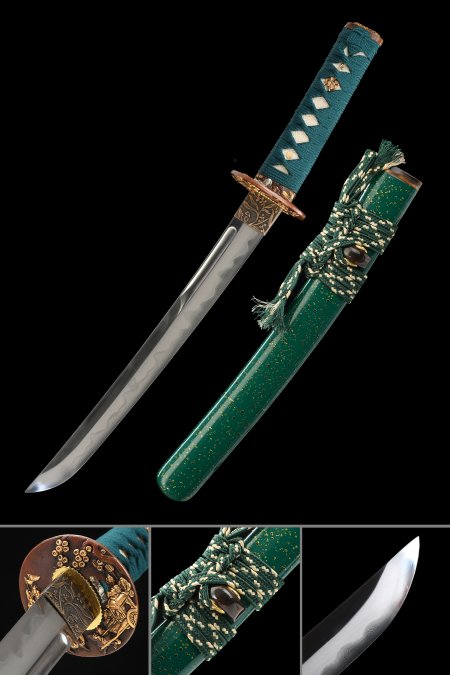
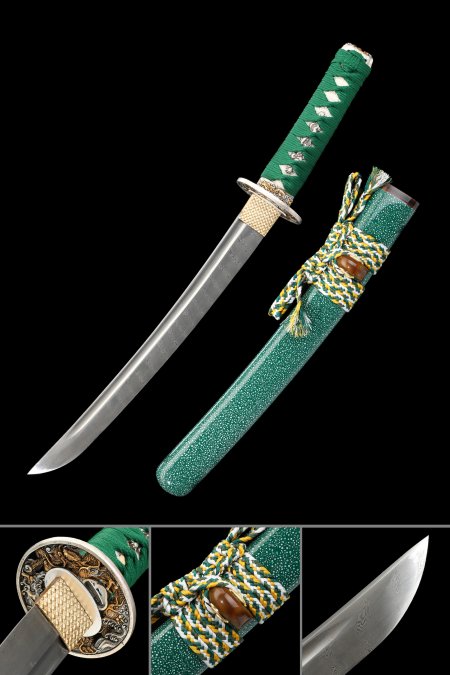
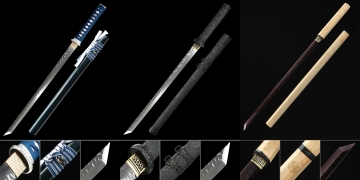
Damascus steel tanto blades display a flowing, water-grain or ladder pattern across the blade surface that results directly from the forging process. High- and low-carbon steel layers are folded and manipulated under heat, and when the finished blade is acid-etched, the differential carbon content causes the two steel types to react at different rates - revealing the layered pattern beneath. This means no two Damascus blades share an identical surface pattern, making each tanto a one-of-a-kind collectible. On pieces that also feature a real hamon line produced through clay-differential hardening, collectors can appreciate two distinct visual signatures on a single blade: the active hamon along the edge and the flowing Damascus grain across the flat.
What is the difference between a lacquer saya and a rayskin saya?
A lacquer saya is constructed from a wood core that has been coated with multiple layers of lacquer, then polished to a smooth or semi-gloss finish. The lacquer surface is durable, moisture-resistant, and produces a refined, formal aesthetic - historically associated with high-status sword furniture in Japan. A rayskin saya, by contrast, features the outer skin of a ray (known as same-gawa in Japanese) wrapped or applied over the wood core. The rayskin surface has a naturally pebbly texture formed by tiny calcified granules, which provides grip and a distinctly organic visual character. Among collectors, genuine rayskin components are considered a mark of quality craftsmanship, as the material has been used in traditional Japanese sword furniture for centuries.
How should I store and maintain a Damascus tanto for display?
For long-term display, keep your Damascus tanto in a low-humidity environment away from direct sunlight, which can fade lacquer finishes and dry out organic materials like rayskin or cord wrapping. Apply a light coat of choji oil or food-grade mineral oil to the blade surface every few months to prevent surface oxidation - Damascus steel, while visually striking, contains carbon steel layers that will develop rust if left unprotected in humid conditions. When handling, use a clean cloth or cotton gloves to avoid transferring skin oils to the blade. Store the tanto in its saya when not displayed to protect the surface patterning. If mounted on an open stand, a regular light dusting and periodic re-oiling schedule will preserve both the blade and the fittings.
Is a tanto a good starting piece for a Japanese blade collection?
A tanto is an excellent entry point for collectors for several reasons. Its smaller scale makes it easier to display and store than a full-length katana, yet it contains all the same craft elements - hand-forged blade, fitted tsuba, wrapped handle, and shaped saya - that define quality Japanese blade construction. A tanto with Damascus steel and a verified hamon offers collectors two of the most visually compelling features in the craft at a scale that requires less display space. For collectors who later add a katana or wakizashi to their collection, a matching-style tanto creates a cohesive display set. The green colorway also makes Damascus tanto particularly striking when displayed against neutral or dark backgrounds, giving them strong visual presence even in modest display arrangements.
What does the dragon motif on a tsuba represent?
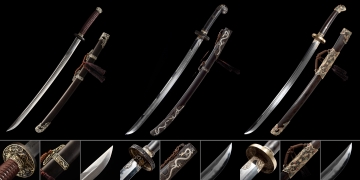
In Japanese artistic tradition, the dragon - known as ryu - is a symbol of wisdom, power, and transformation rather than destruction. Unlike Western dragon iconography, the Japanese dragon is associated with water, clouds, and celestial forces, and is considered a protector and bringer of good fortune. On a tanto tsuba, a dragon motif is typically rendered in relief casting or pierced metalwork, and its presence adds thematic depth to the piece as a whole. For collectors, a dragon tsuba is particularly appealing because it connects the blade to a rich symbolic vocabulary that spans Japanese metalwork, textile arts, and lacquerware. Paired with a green saya - a color associated with nature, growth, and vitality in Japanese aesthetics - a dragon tsuba tanto carries a layered visual narrative that elevates it beyond a purely decorative object.