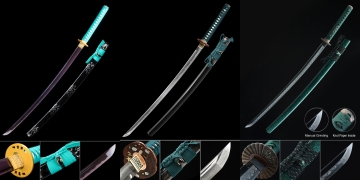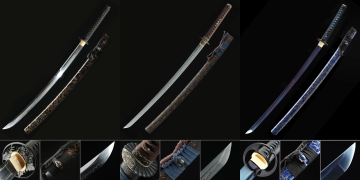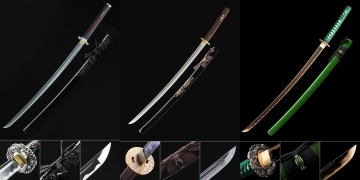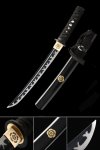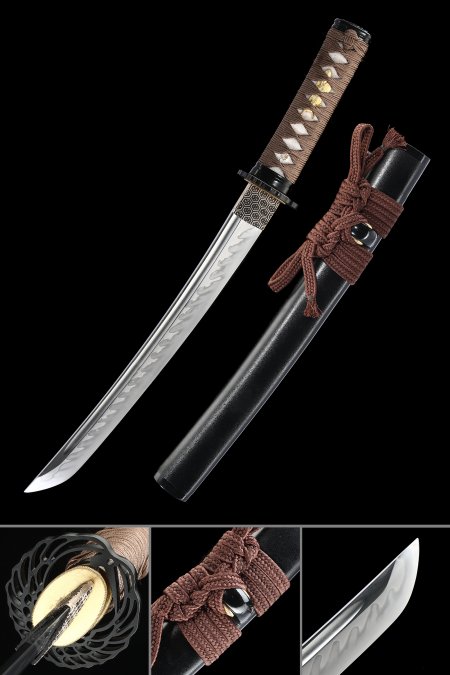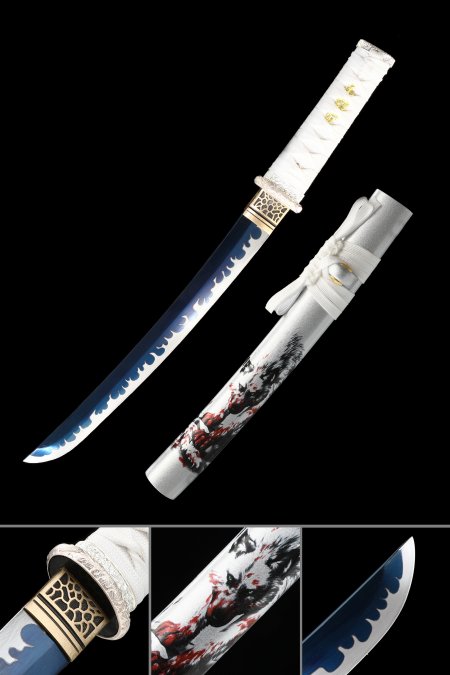
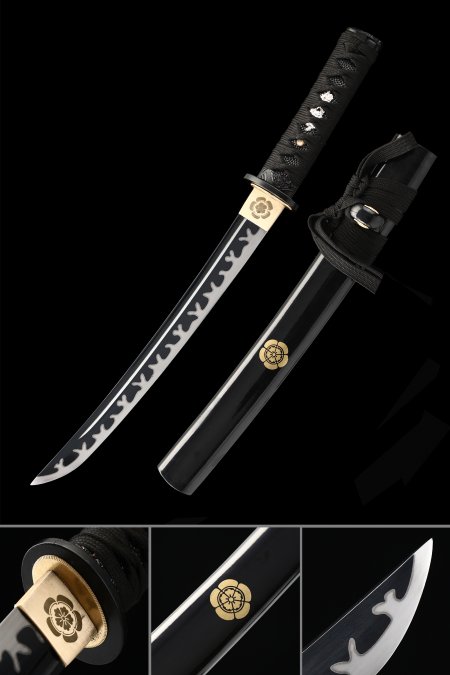
Flame Blade Tanto

Flame Blade Tanto brings together the ancient art of differential hardening with dramatically sculpted hamon lines that ripple like living fire along the blade's surface. Each piece in this collection is individually crafted from quality carbon or manganese steel, featuring full-tang construction, hand-wrapped cord handles, and fitted wooden saya that reflect serious attention to detail. Enjoy free standard shipping on every order, along with hassle-free returns - because finding the right addition to your collection should be effortless.
Showing 3 Products

Related Collections

Snake Tsuba Katana41 items


86 Reviews

Teal Sageo Katana39 items


38 Reviews

Vine Saya Katana47 items


297 Reviews

Wave Tsuba Katana40 items


169 Reviews

Frequently Asked Questions

What creates the flame pattern on a tanto blade?
The flame pattern is a hamon — the temper line produced by differential hardening. During forging, clay is applied along the spine of the blade in an uneven or undulating pattern before the steel is heated and quenched in water or oil. Areas left exposed harden into martensite, which appears bright and crystalline, while clay-covered areas cool more slowly and remain softer. The boundary between these two zones forms the hamon. On a flame blade tanto, the hamon is shaped deliberately to resemble surging fire, with peaks and curves that give each blade a unique visual signature. In T10 carbon steel versions, the clay-tempering process is particularly effective at producing a natural, high-contrast hamon with visible nie (sparkling crystalline particles) along the temper line — a detail that seasoned collectors look for as a mark of authentic differential hardening rather than acid-etching.
How does high manganese steel differ from T10 carbon steel in a tanto?
High manganese steel and T10 carbon steel serve different aesthetic and structural purposes in a collectible tanto. T10 is a high-carbon tool steel with approximately 0.95–1.05% carbon content and small amounts of silicon, known for its ability to take a genuine clay-tempered hamon and a fine, hard edge. It produces a more traditional and nuanced hamon with visible activity along the temper line. High manganese steel, by contrast, contains elevated manganese levels that enhance toughness and allow for dramatic surface finishes — including deep black or blue oxidized coatings — that make the hamon appear especially bold and graphic against a dark blade. For collectors focused on traditional craftsmanship and metallurgical authenticity, T10 clay-tempered tantos offer more depth. For those prioritizing visual impact and a modern, high-contrast display aesthetic, manganese steel flame tanto pieces are a compelling choice.
Is a flame blade tanto suitable as a display gift?
A flame blade tanto makes an excellent display gift for enthusiasts of Japanese culture, martial arts history, or decorative edged collectibles. The compact size of the tanto format — typically under 12 inches of blade length — means it can be displayed comfortably on a desk stand, wall mount, or shelf without requiring the dedicated space that a full-length katana demands. Pieces that include a hand-painted saya featuring artistic motifs add an additional layer of craftsmanship that non-collectors can appreciate purely as decorative art. For gifting, look for sets where the saya artwork, tsuba design, and handle cord color are coordinated as a cohesive aesthetic package rather than assembled from unrelated components. A fitted wooden saya with lacquer finish also protects the blade during shipping and long-term storage, making it a practical and presentation-ready choice straight out of the box.
How should I maintain a decorative tanto with a painted saya?
Caring for a flame blade tanto with a hand-painted saya requires attention to two distinct materials: the steel blade and the lacquered or painted wood. For the blade, apply a very thin coat of choji oil or food-grade mineral oil every few months using a soft, lint-free cloth, wiping from the spine toward the edge in a single direction. This prevents surface oxidation without attracting dust. For the painted saya, avoid abrasive cloths, solvents, or polishing compounds entirely — a dry microfiber cloth is sufficient for dust removal. Keep the tanto away from prolonged direct sunlight, which degrades both the blade's surface finish and the saya's painted details over time. In humid environments, store the piece horizontally in its saya on a display stand, and place silica gel desiccant packets nearby to manage moisture. Never store the blade loose or in contact with leather, as tannins in leather accelerate steel oxidation.
Can a flame tanto be displayed alongside a katana as a matching set?
Pairing a flame tanto with a coordinating katana is a popular choice among collectors who build thematic Japanese sword displays. Traditionally, a samurai would carry a katana and tanto together as a daisho-style pairing (though strictly speaking, the classic daisho paired katana with wakizashi). Today, many collectors create visually harmonious two-piece displays by matching tanto and katana that share common design elements: the same hamon style, a consistent tsuba finish (such as matching gold or iron guards), or coordinated saya colors and materials. When selecting pieces to pair, focus on whether the fittings share a material language — a black hardwood saya tanto looks cohesive alongside a katana with the same saya treatment. Exploring the clay-tempered katana collection will surface full-length pieces that share the differential-hardening philosophy and aesthetic character found in the flame blade tanto line.

Customer Reviews

Cart 0 Items

Your cart is empty