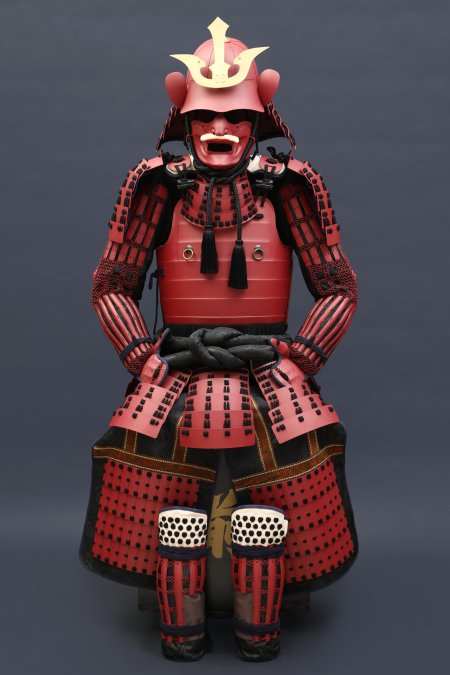
Custom Samurai Armor
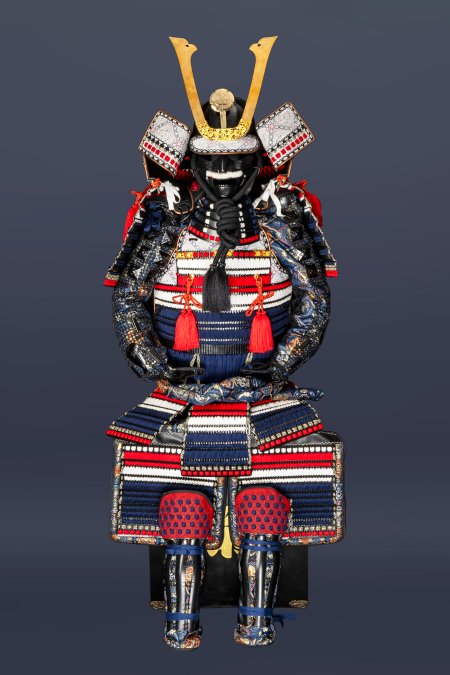
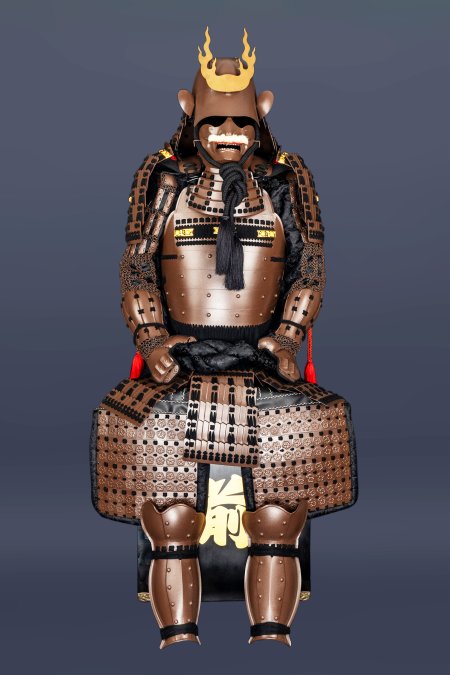
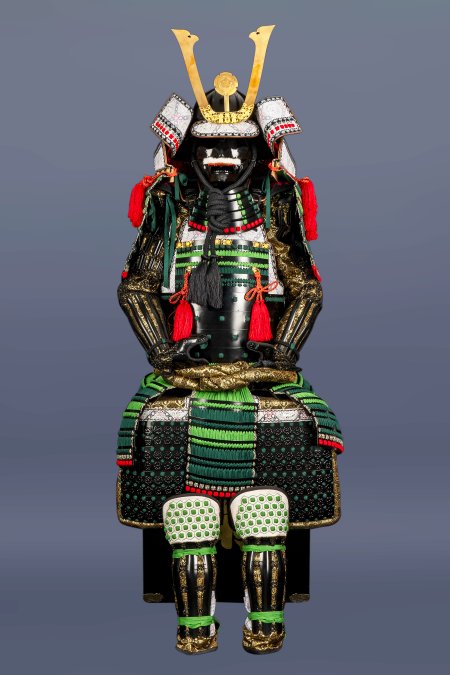
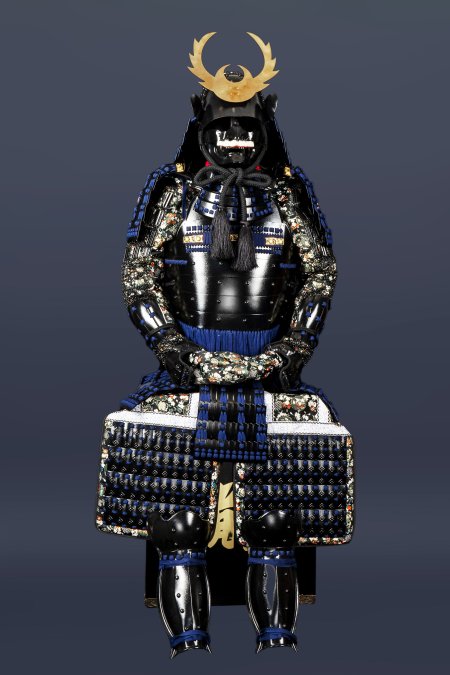
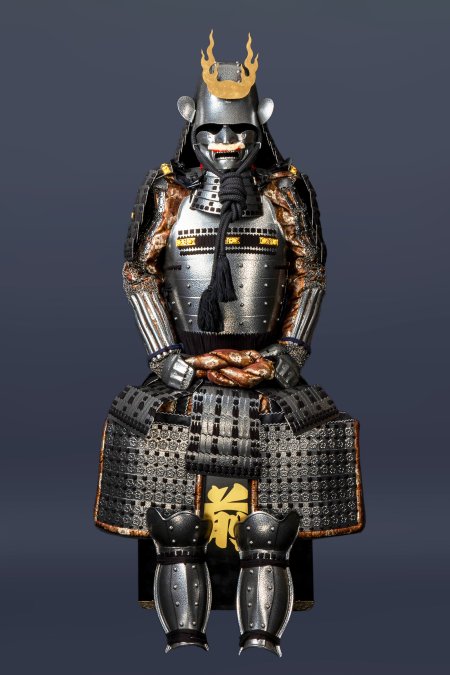
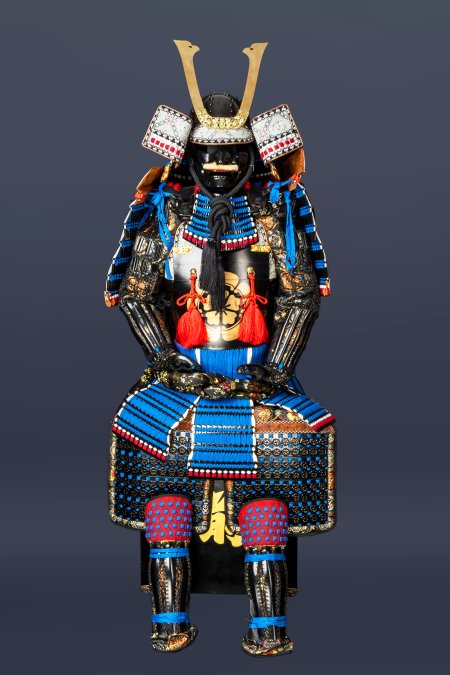
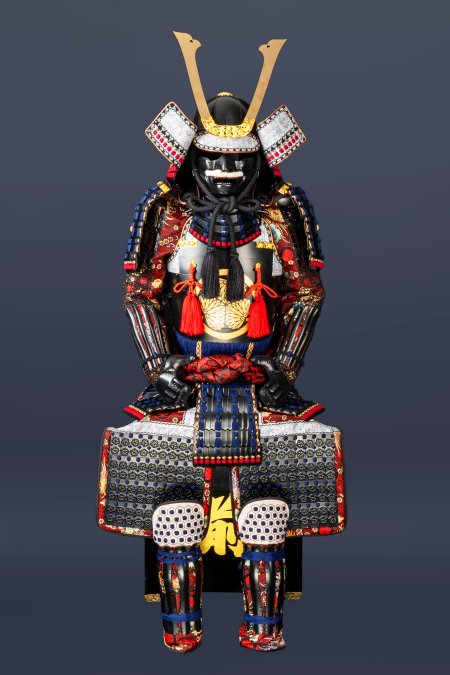
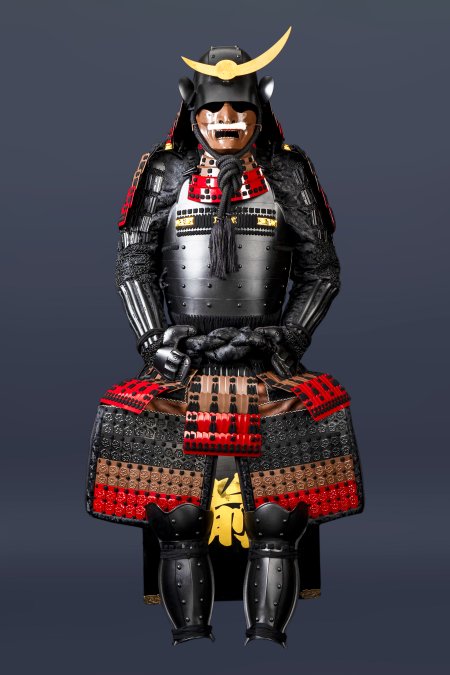
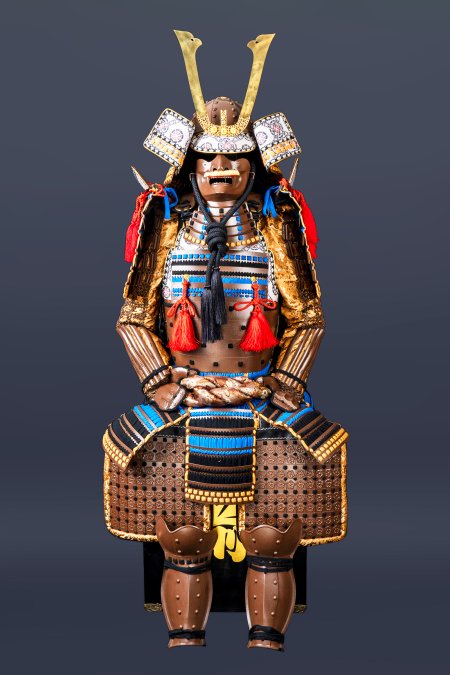
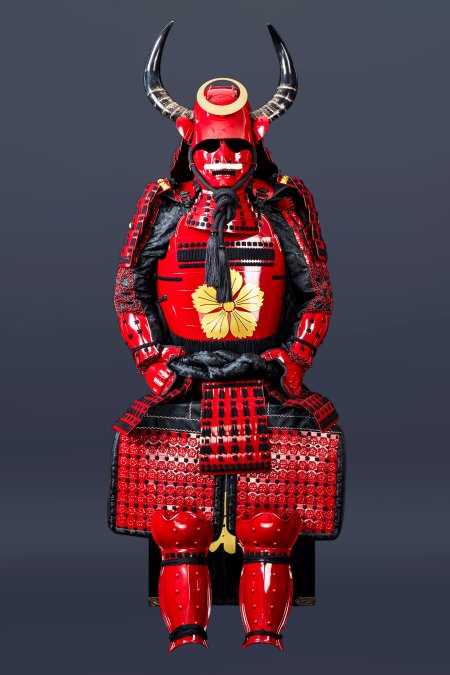
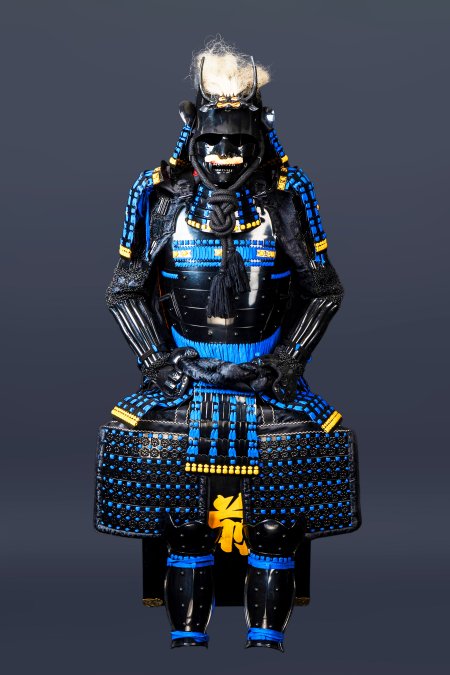
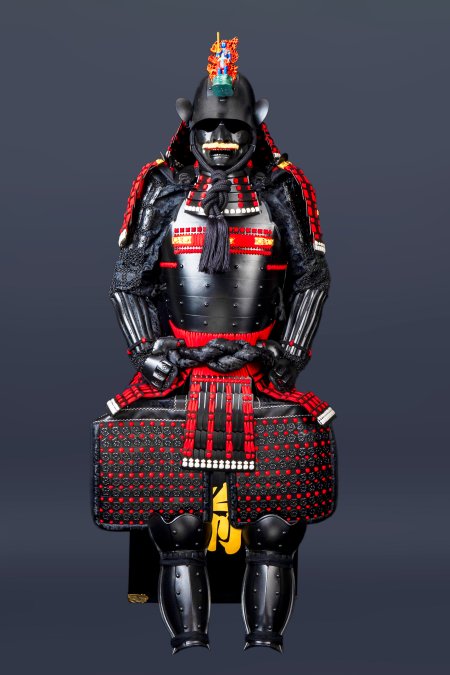
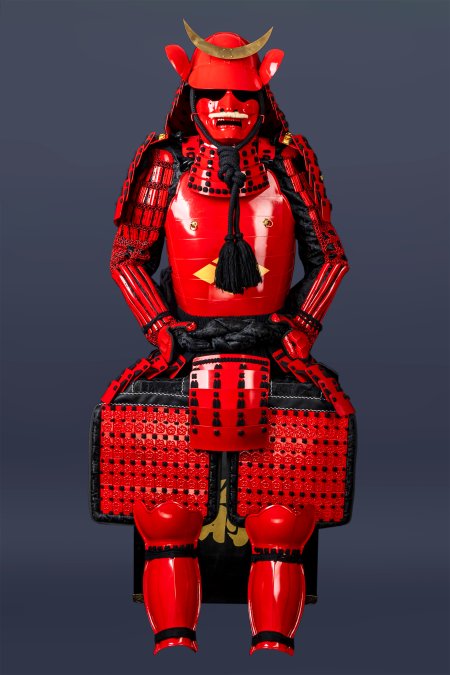
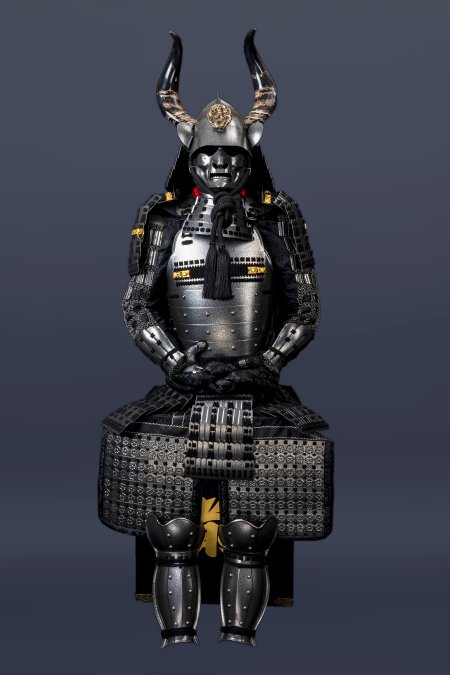
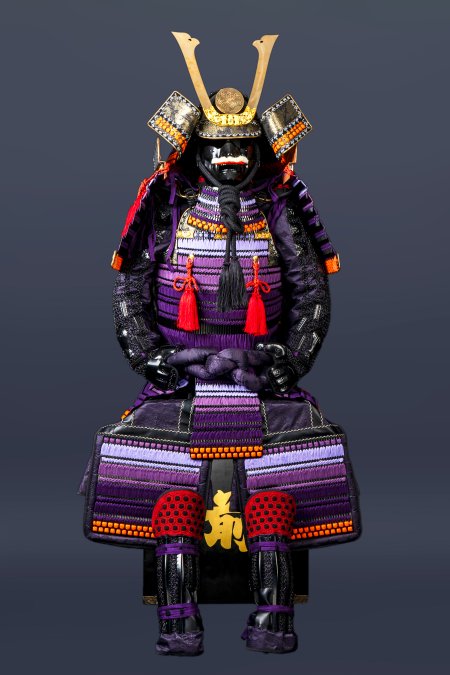
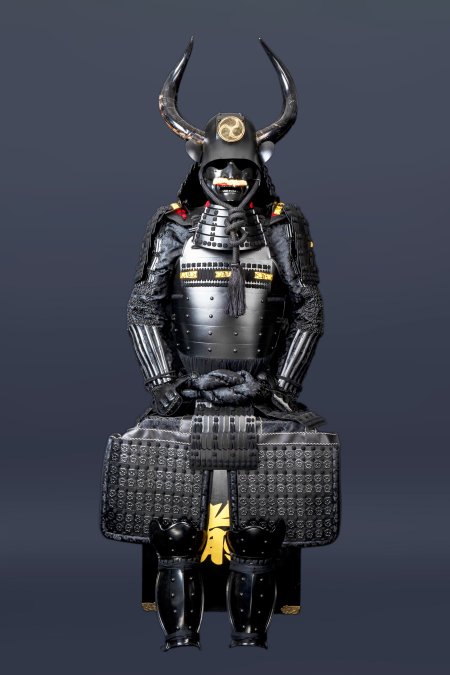
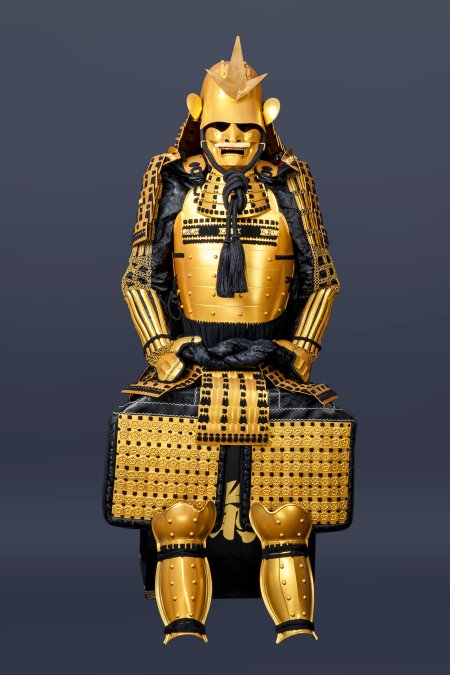
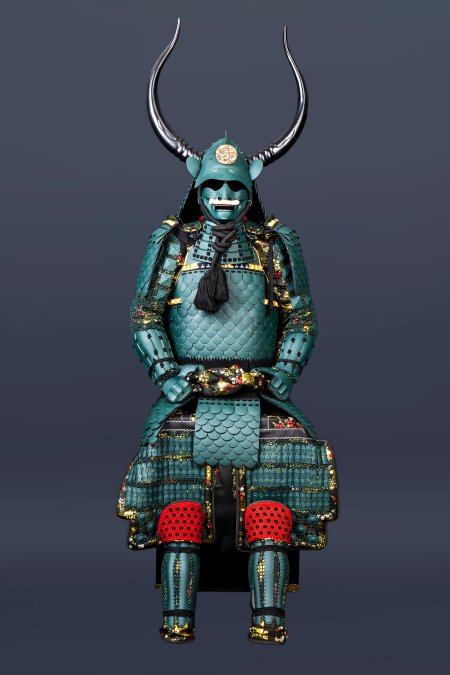
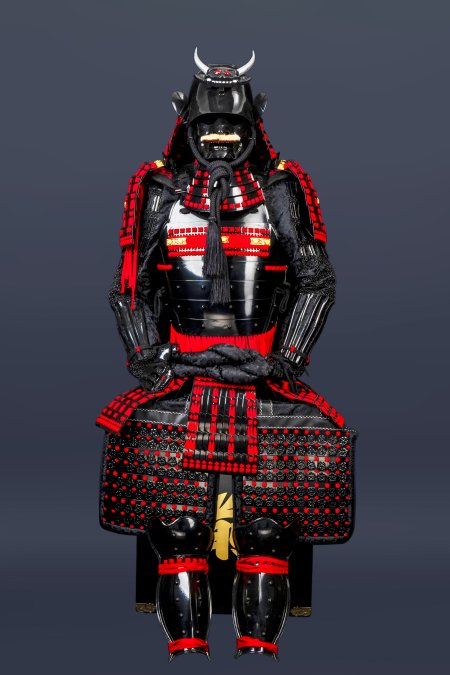
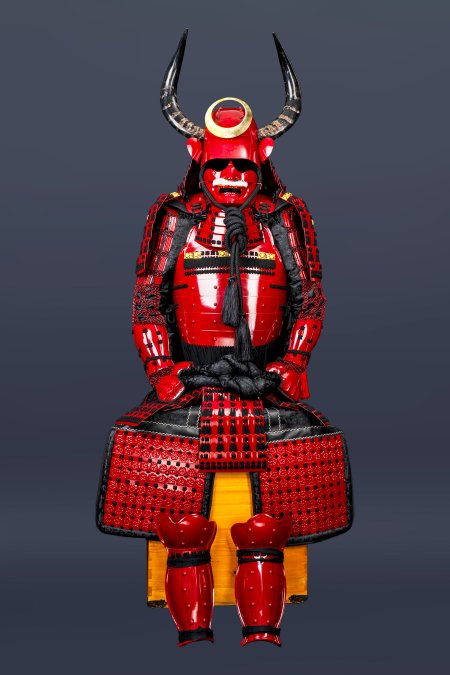
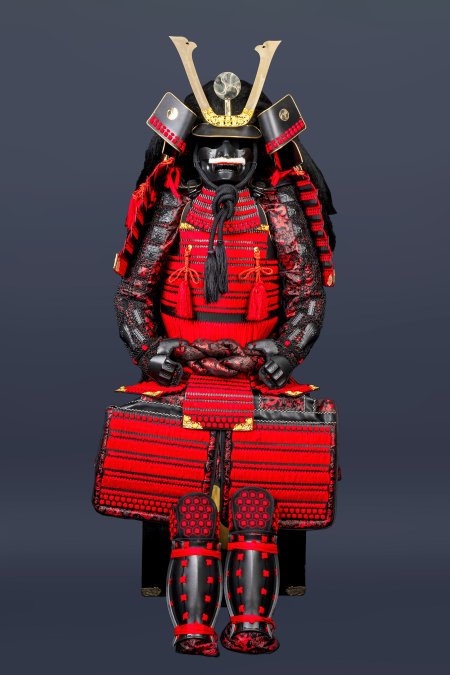
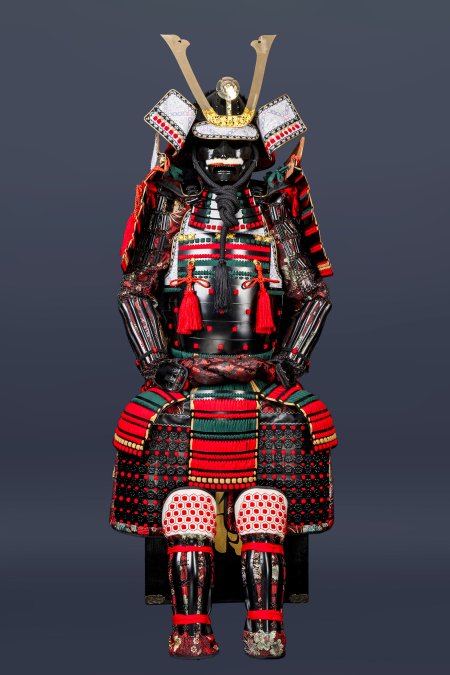
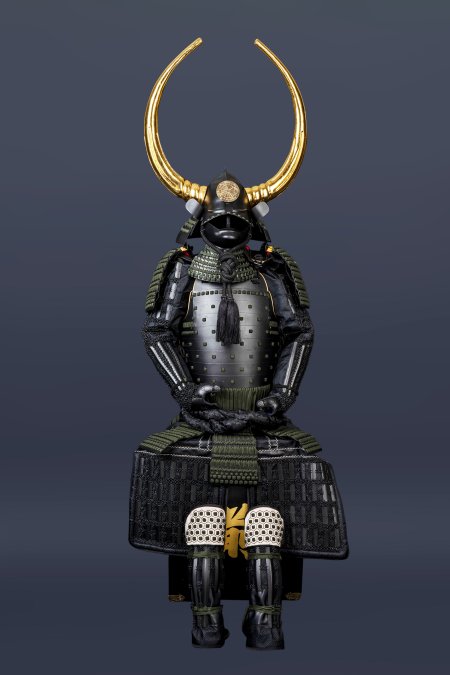
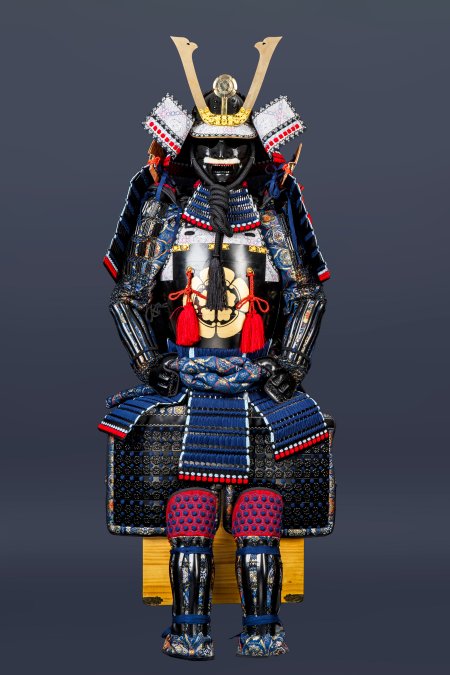
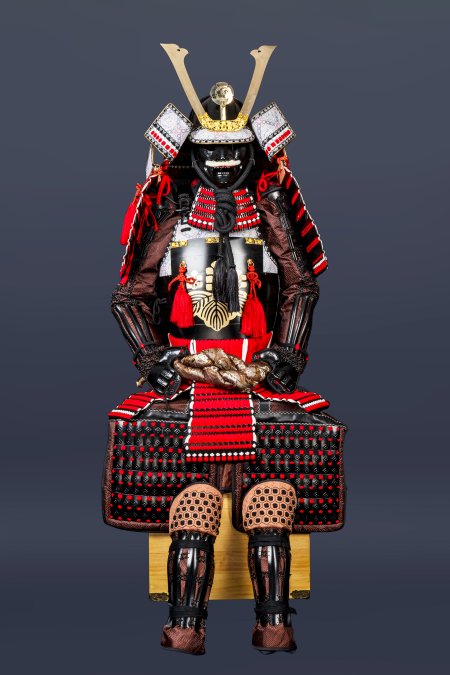
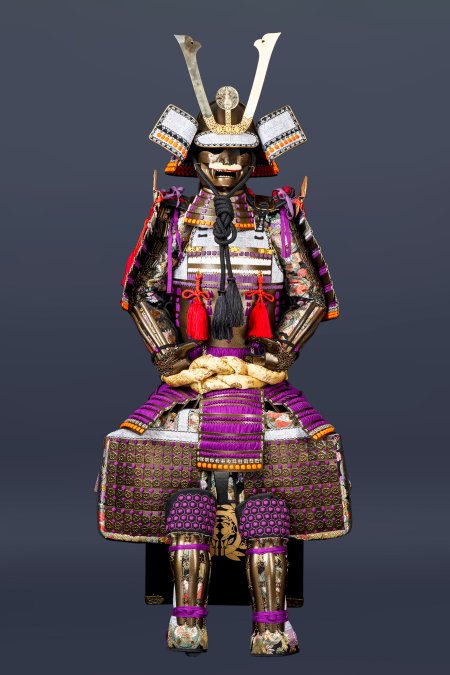
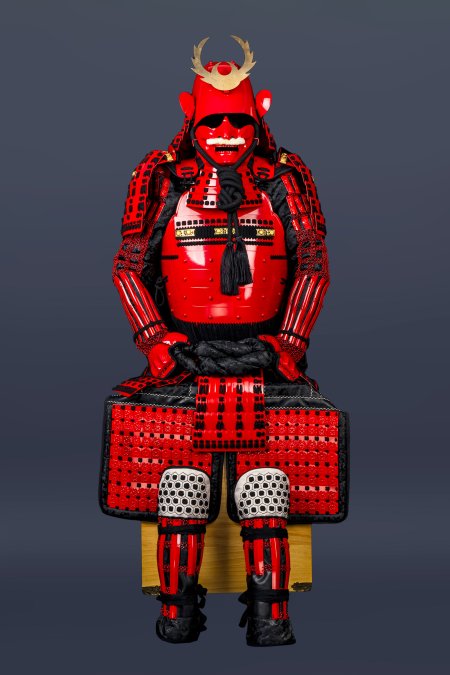
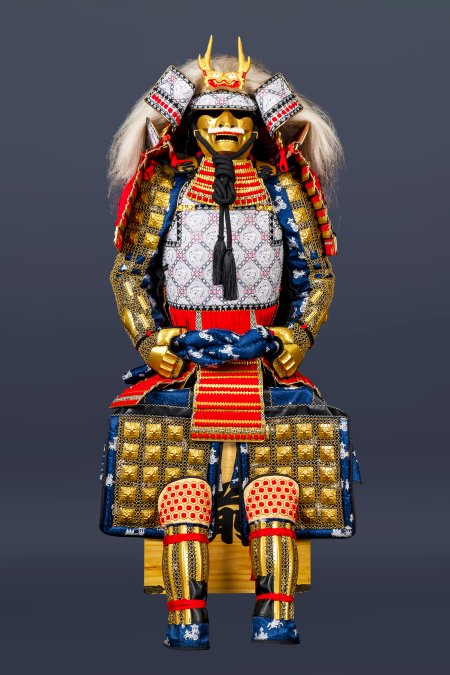
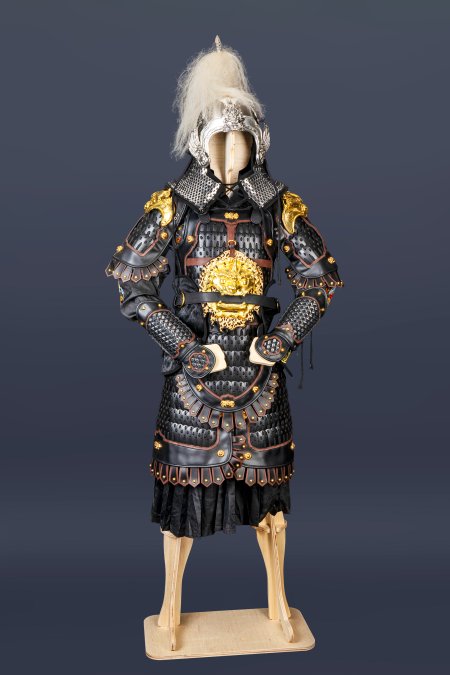
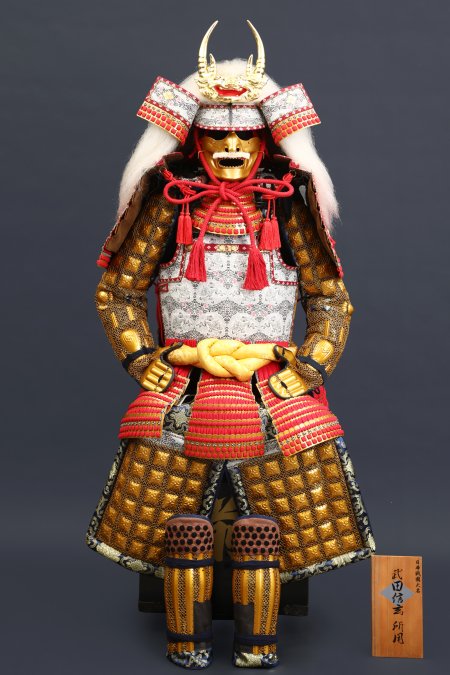
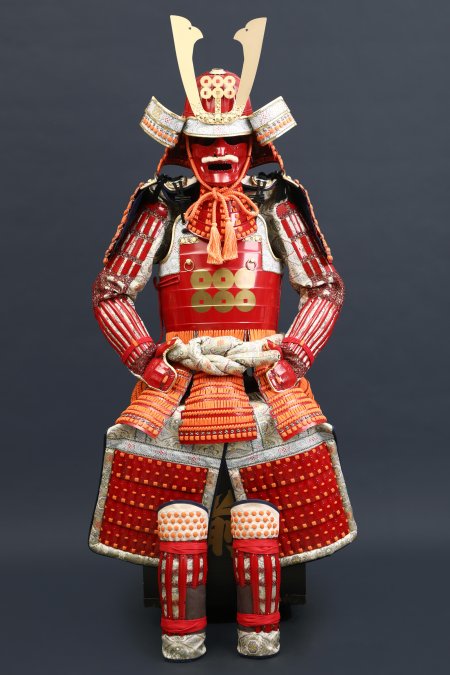
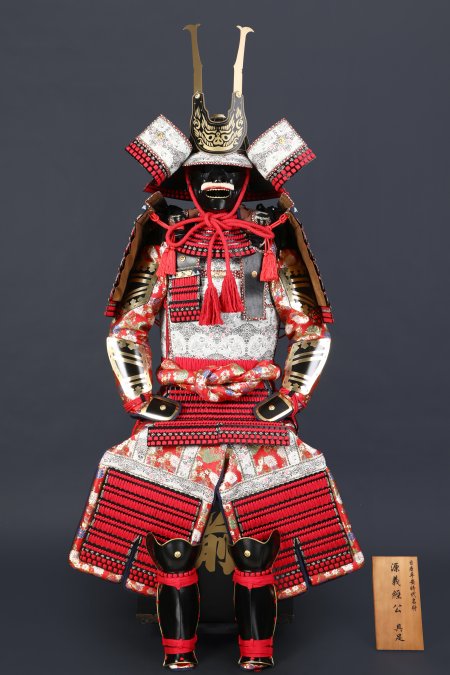
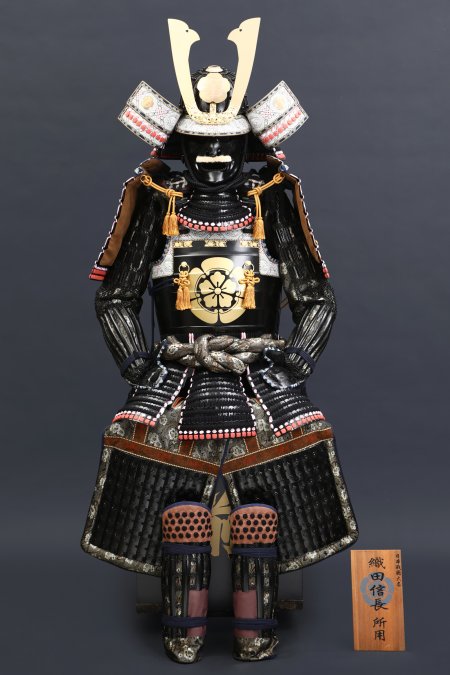
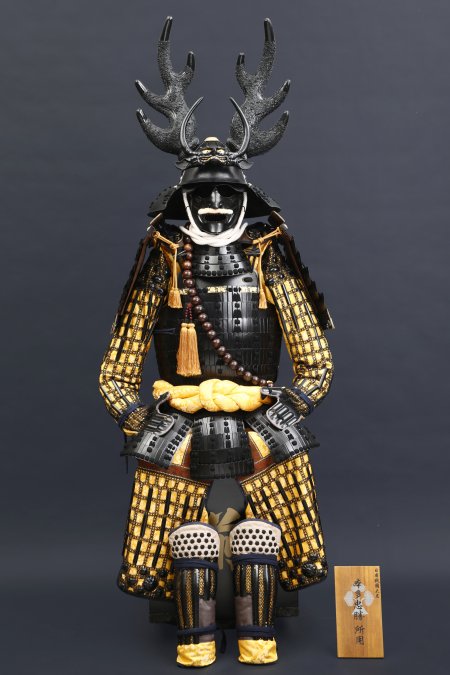
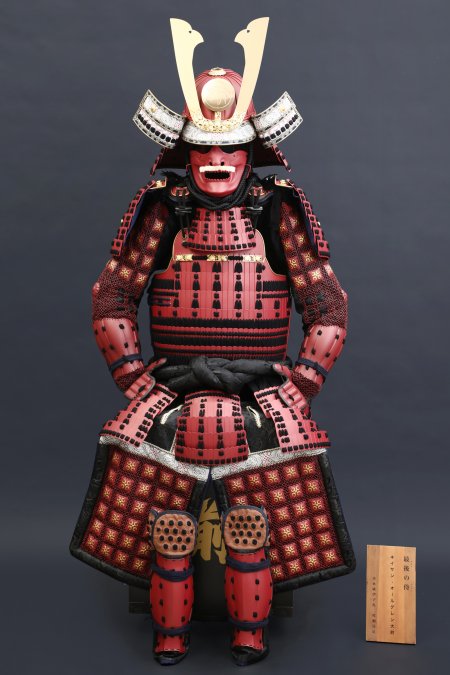
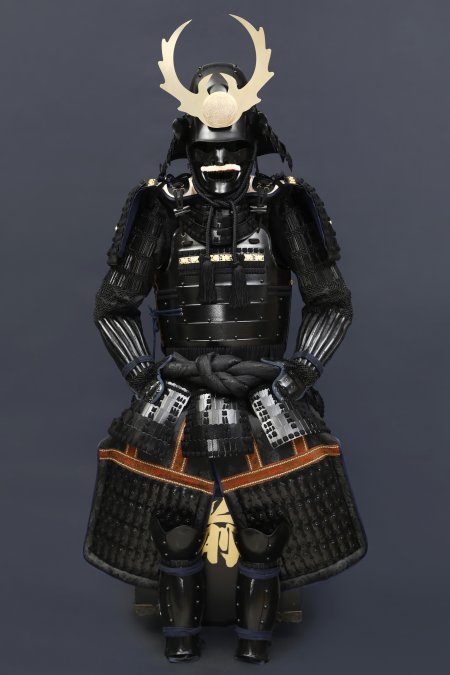
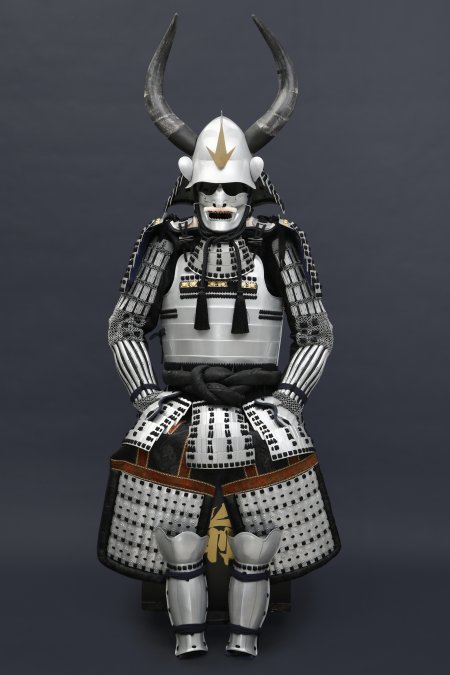
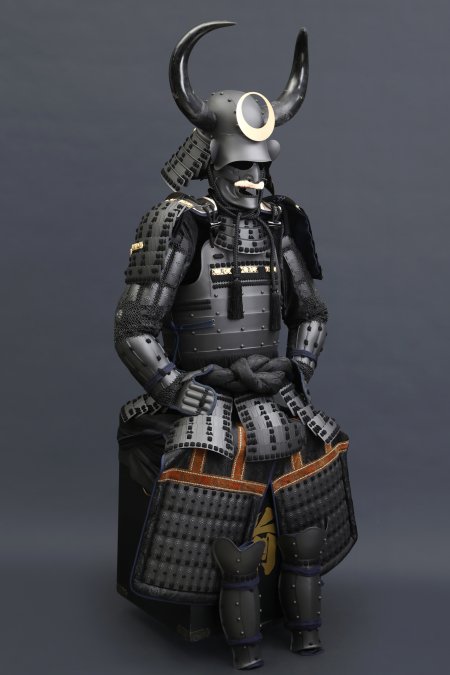
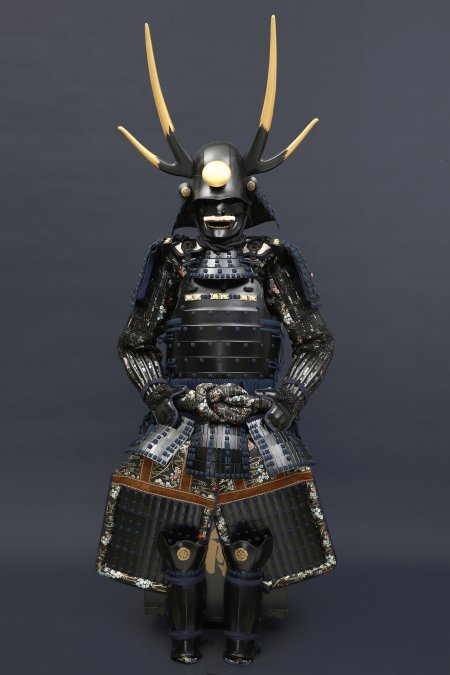
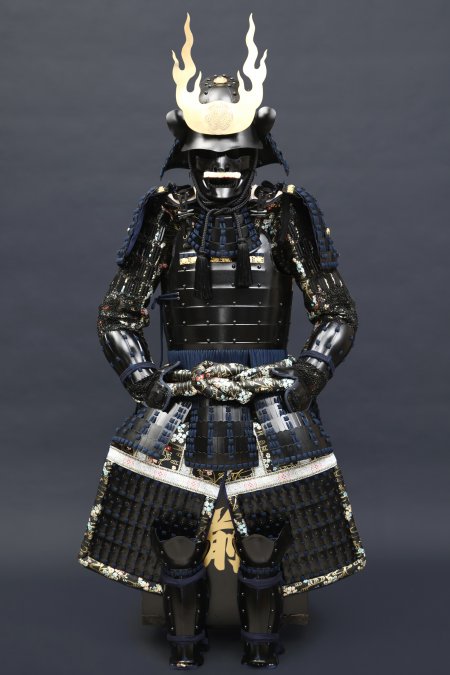
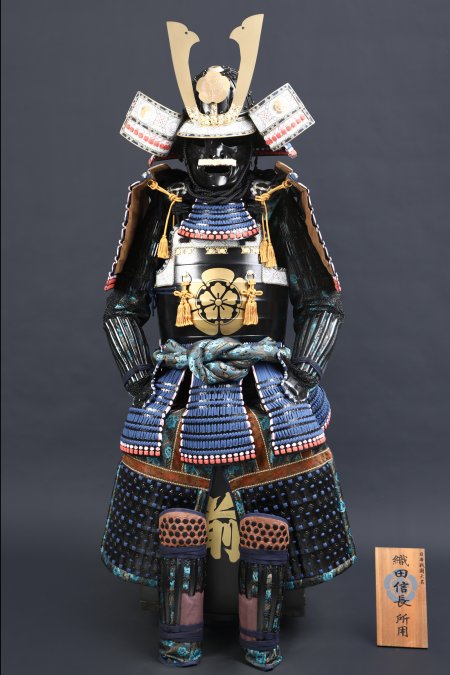
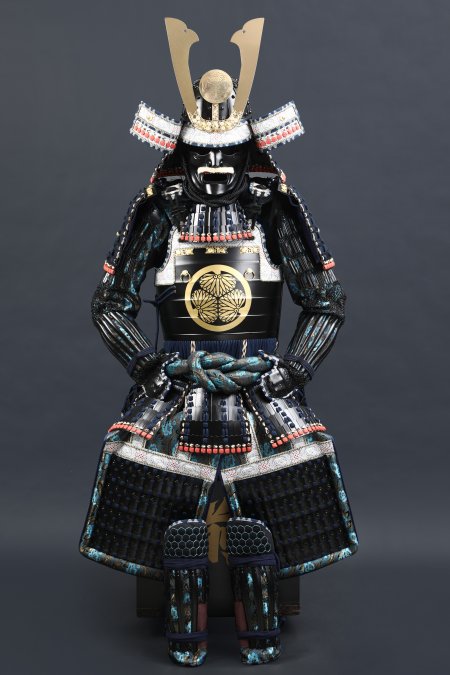
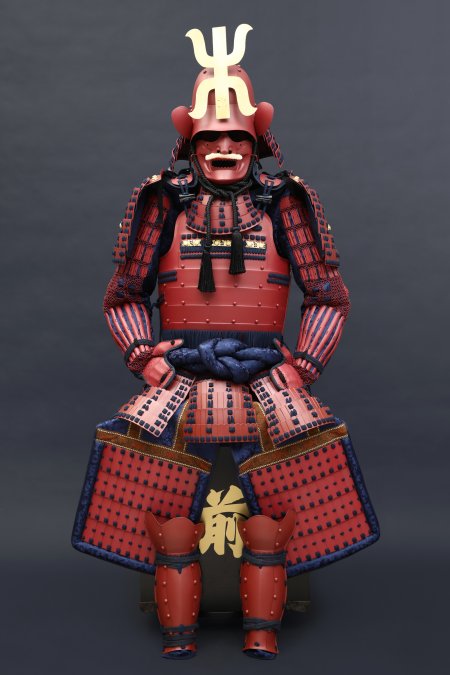
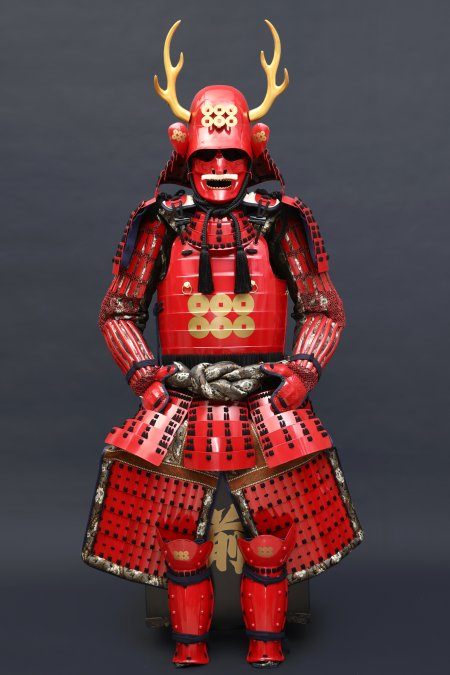
Custom Samurai Armor at TrueKatana is handcrafted to honor the iconic clans and legendary figures of feudal Japan - from the Oda and Tokugawa to Yukimura Sanada and Masamune Date. Each life-size yoroi suit is assembled with historically informed construction, featuring lacquered lamellar plates, ornate kabuto helmets, and signature clan details that make every set a one-of-a-kind display centerpiece. Enjoy free shipping on your order and our straightforward return policy, so you can collect with complete confidence.
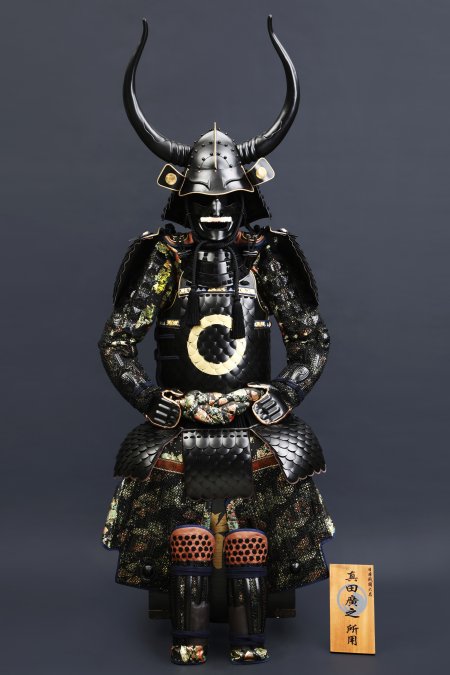
Free Shipping
6,999.00 USD
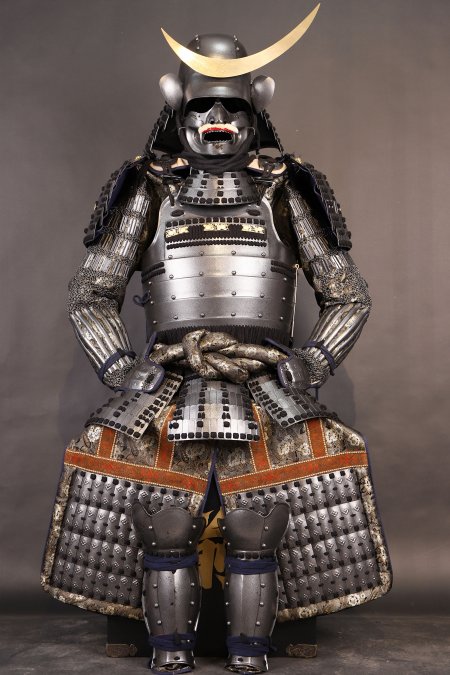
Free Shipping
3,199.00 USD
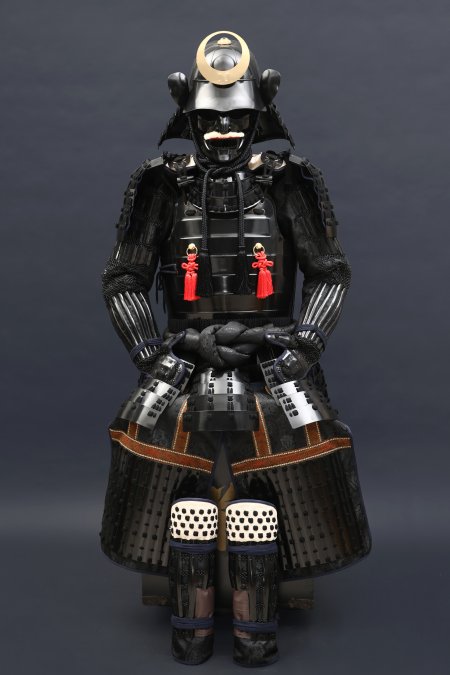
Free Shipping
2,799.00 USD
Free Shipping
4,049.00 USD
Free Shipping
3,779.00 USD
Free Shipping
2,899.00 USD
Free Shipping
3,499.00 USD
Free Shipping
3,739.00 USD
Free Shipping
2,959.00 USD
Free Shipping
3,039.00 USD
Free Shipping
4,099.00 USD
Free Shipping
3,039.00 USD
Free Shipping
5,979.00 USD
Free Shipping
4,469.00 USD
Free Shipping
3,709.00 USD
Free Shipping
5,979.00 USD
Free Shipping
3,589.00 USD
Free Shipping
3,589.00 USD
Free Shipping
3,739.00 USD
Free Shipping
5,399.00 USD
Free Shipping
4,199.00 USD
Free Shipping
4,199.00 USD
Free Shipping
4,199.00 USD
Free Shipping
5,399.00 USD
Free Shipping
4,399.00 USD
Free Shipping
3,199.00 USD
Free Shipping
4,399.00 USD
Free Shipping
4,199.00 USD
Free Shipping
4,599.00 USD
Free Shipping
3,299.00 USD
Free Shipping
4,199.00 USD
Free Shipping
4,199.00 USD
Free Shipping
3,199.00 USD
Free Shipping
3,399.00 USD
Related Collections
Frequently Asked Questions
What makes each custom samurai armor suit unique?
Each suit in this collection is built around a specific historical clan or figure - Oda, Takeda, Tokugawa, Toyotomi, Sanada, Date, and others - so the design choices are grounded in documented aesthetics rather than generic samurai imagery. Differences in helmet style (suji-bachi ridged bowls versus kachi flat-top construction), maedate (front crest) shape, odoshi cord color, and do lacquer finish are all chosen to reflect each lord's known heraldic identity. That specificity is what separates these from generic decorative sets and gives collectors a piece with genuine historical narrative built into its visual design.
How is a yoroi suit different from simpler armor reproductions?
A full yoroi is a composite assembly of individually crafted components: the kabuto (helmet), menpo (face guard), do (chest plate), osode (shoulder guards), kote (arm protectors), kusazuri (tassets), and suneate (shin guards). Lower-cost reproductions often use single-piece molded shells or lightweight resins to approximate this look. The life-size suits in this collection use layered construction with lacquered plate sections laced together in the traditional kozane format, which creates the characteristic overlapping segmented profile visible in museum-quality examples. The weight, depth of detail, and dimensional accuracy are meaningfully different from simplified alternatives.
Can I display a life-size samurai armor suit safely at home?
Yes, with appropriate preparation. Life-size yoroi suits require a sturdy freestanding armor stand or a purpose-built mannequin frame to maintain proper posture and component alignment. Plan for a display footprint of roughly 60-70 cm square and ceiling clearance of at least 180 cm to accommodate the kabuto. Avoid placement near exterior windows where UV exposure and humidity fluctuations are greatest. Interior walls in climate-controlled rooms are ideal. If you live in a high-humidity environment, a small silica gel pack placed discreetly inside the do cavity can help prevent any odoshi cord degradation over time.
How should I maintain the lacquer and lacing on a display armor suit?
Lacquered surfaces on Japanese armor are durable but sensitive to abrasion and prolonged moisture. For routine care, use a soft lint-free cloth to remove dust - never spray cleaners directly onto lacquered plates. If a surface looks dull, a very small amount of Renaissance Wax applied sparingly and buffed gently will restore sheen without chemically affecting the finish. Odoshi lacing (the silk or cord that connects plate sections) should be inspected every few months for fraying or loosening at knot points. Avoid pulling on lacing to reposition components; instead, lift from structural plate sections. Proper care keeps the suit exhibition-ready indefinitely.
Are these armor suits good gifts for Japanese history enthusiasts?
A life-size custom samurai armor suit is one of the most impactful gifts available in the Japanese collectibles category precisely because it occupies physical space and commands visual presence in a way that framed prints or small figurines cannot. For recipients who already collect edged pieces, pairing a clan-specific armor suit with a complementary display blade - such as a 1060 Sword - creates a cohesive themed gift ensemble. The clan-specific designs also make selection intuitive: if the recipient has a known affinity for Sengoku-era history or a particular daimyo, there is a corresponding armor suit that reflects that specific interest.
Customer Reviews
Arlie Wilkes
Australian Capital Territory, Australia
Excellent craftsmanship and a joy to be able to wear it, not a doubt one of the best purchases i could’ve made
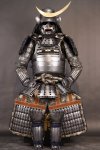 |
Handmade Masamune Date Japanese Samurai Armor With Silver Crescent Suji Helmet, Life Size Yoroi |