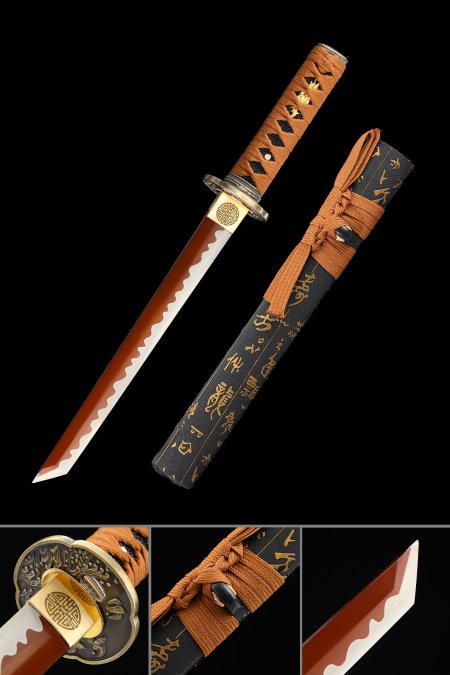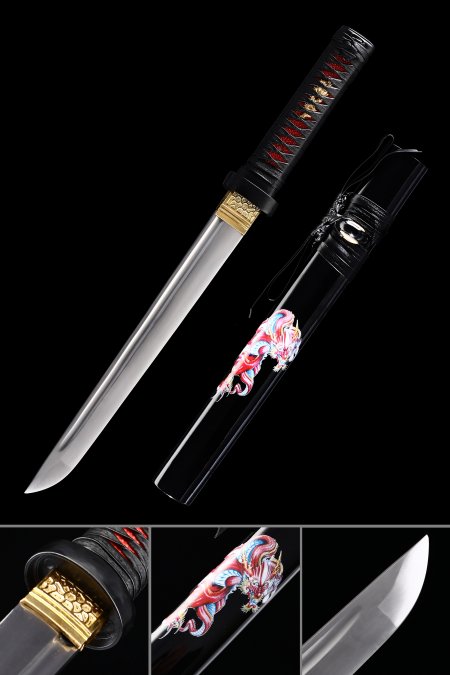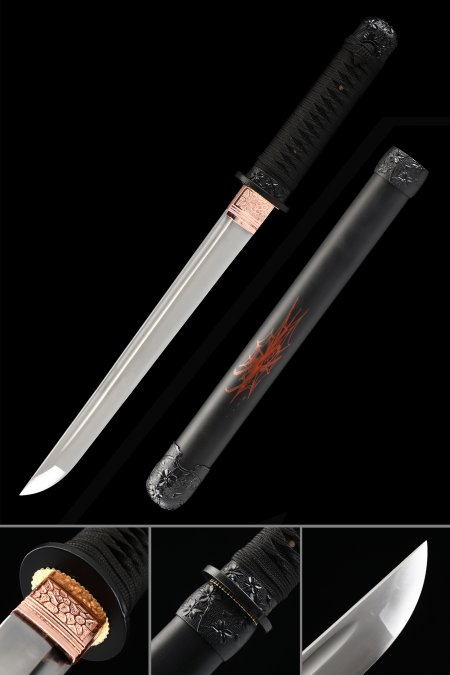
Japanese Straight Tanto

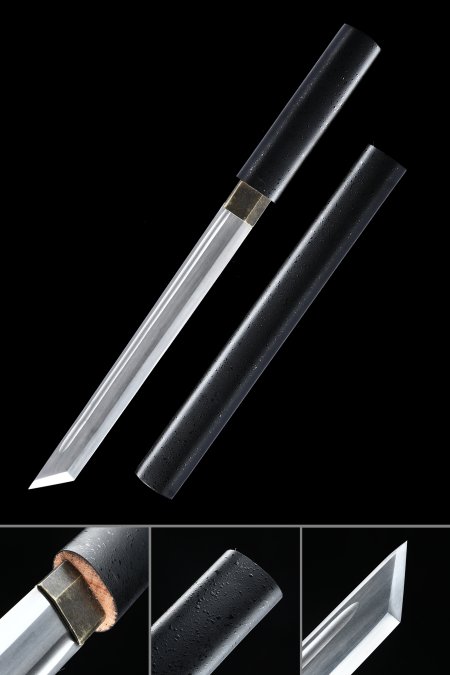
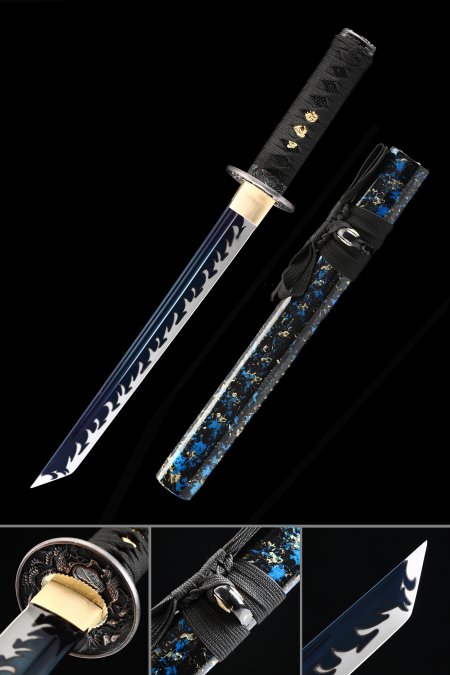
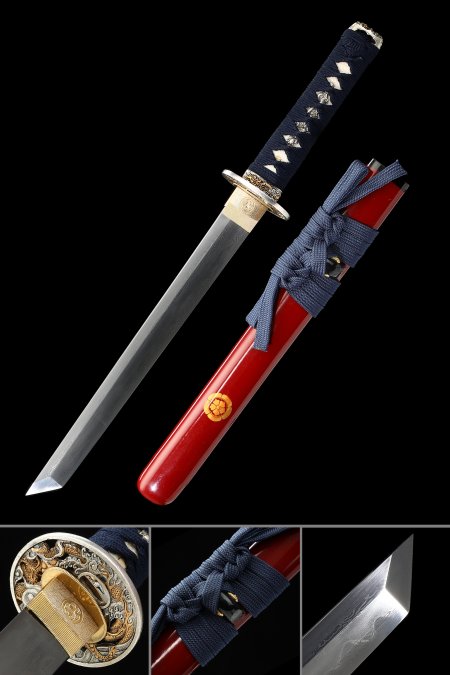
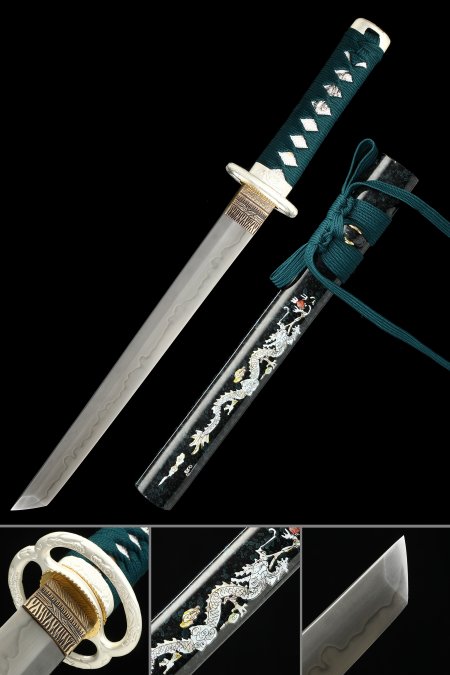
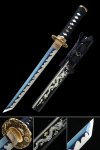
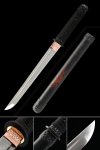
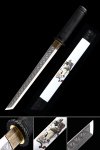
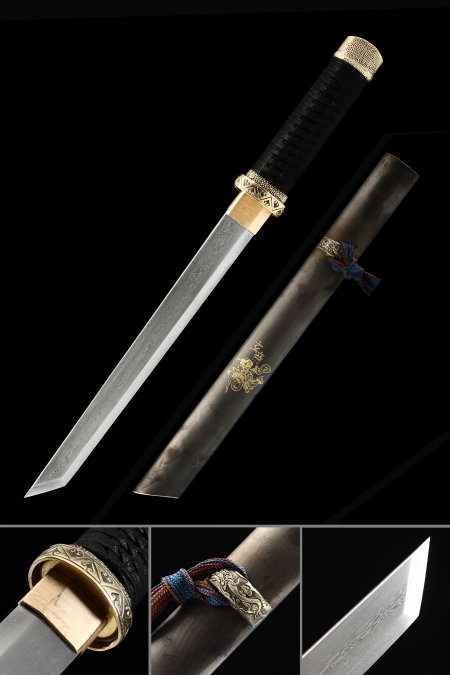
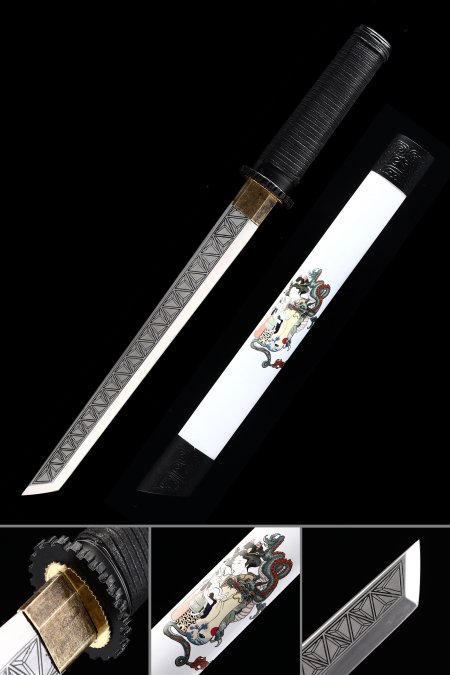
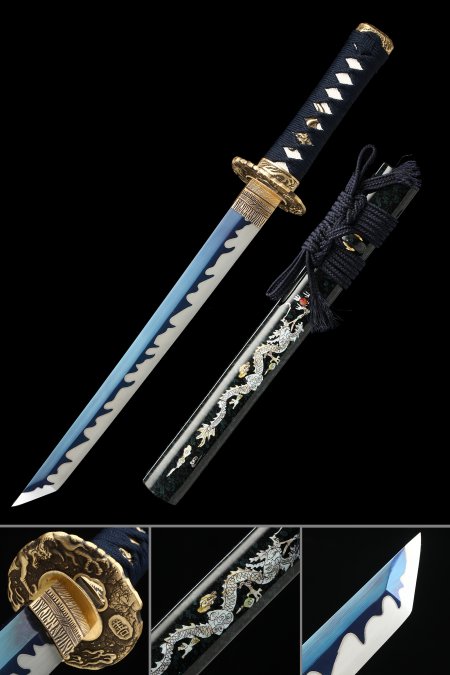
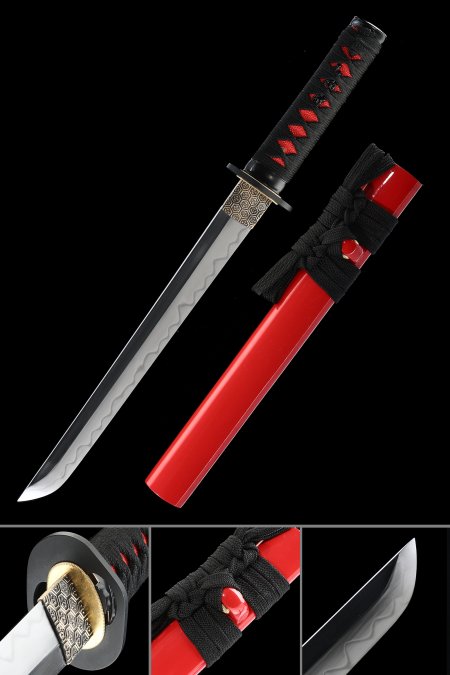
The Japanese straight tanto, known historically as the chokuto-influenced short blade, represents one of the most distinctive forms in classical Japanese edged artistry. Unlike the curved profiles associated with katana and wakizashi, the straight-bladed tanto offers a clean, geometric elegance that collectors and historians deeply appreciate. Each piece in this collection is hand-forged from high-carbon steel, fitted with ornate tsuba and lacquered hardwood saya that honor centuries of metalworking tradition. Enjoy free standard shipping on every order, backed by our hassle-free return policy.
Showing 12 Products

Related Collections

Japanese Sword124 items


895 Reviews

Authentic Japanese Katana121 items


106 Reviews

Japanese Yari4 items


Reviews

Japanese Spear4 items


Reviews

Frequently Asked Questions

What makes a tanto blade "straight" vs. curved?
A straight tanto follows a linear edge geometry without the deliberate curvature (sori) that defines most classical Japanese blades from the Heian period onward. Historically, early Japanese blades were largely straight, influenced by continental Asian forging traditions before native smiths developed the curved profile associated with mounted use. In a straight tanto, the spine and edge run essentially parallel from base to tip, creating a bold, architectural silhouette. For collectors, this geometry is significant because it represents an earlier aesthetic chapter in Japanese blade craft — one defined by clean lines rather than flowing curves. The straight profile also tends to showcase surface polishing and hamon (temper line) patterns with particular clarity, making these pieces especially rewarding to display and study up close.
How does 1045 carbon steel differ from 1060 in a tanto?
The numbers refer to carbon content: 1045 steel contains approximately 0.45% carbon, while 1060 contains around 0.60%. In practical terms for a collectible tanto, 1060 steel takes a finer polish and can be worked to a more defined hamon during differential heat treatment, making it a preferred choice for pieces where surface aesthetics are the primary goal. 1045 is somewhat tougher and more forgiving in manufacturing, producing a blade with reliable structural consistency that suits display-focused collectors who prioritize durability of finish over microscopic metallurgical nuance. Both materials are genuine high-carbon steels that far exceed the quality of decorative stainless alloys, and both will develop a natural patina over time if left untreated — a characteristic that many collectors consider part of the blade's living character.
What should I look for in tanto fittings when collecting?
Fittings — collectively called koshirae — are often where the real artistry of a tanto is concentrated. The tsuba (guard) is the most visually prominent fitting, and motifs such as dragons, floral patterns, and geometric designs each carry distinct aesthetic and historical associations. Bronze and brass tsuba develop a warm patina over time, while alloy fittings maintain a more consistent finish with minimal maintenance. The habaki (blade collar) should fit snugly without play, as loose fitment indicates lower manufacturing precision. The menuki (handle ornaments) and kashira (pommel cap) should be cleanly cast with crisp detail rather than blurry, mass-produced profiles. Full-tang construction — where the steel extends fully into the handle — is a key indicator of quality assembly, and collectors should always confirm this detail before adding a piece to a serious display.
How do I display a straight tanto to show it at its best?
A straight tanto's geometric profile is best appreciated when displayed horizontally or at a slight angle on a dedicated blade stand, where the full length of both blade and saya can be seen simultaneously. For wall-mounted displays, a horizontal rack at eye level allows guests to appreciate the lacquer finish of the saya alongside the blade's polished surface without crouching or straining. Pairing a tanto with a longer blade — a katana or wakizashi — on a tiered stand creates a daisho-inspired grouping that communicates knowledge of Japanese blade tradition. Avoid placing any carbon steel blade in direct sunlight for extended periods, as UV exposure accelerates both lacquer degradation and surface oxidation. A simple museum-style acrylic display case offers excellent visibility while controlling dust and ambient humidity.
Is a straight tanto a good gift for a Japanese history collector?
A well-crafted straight tanto makes an excellent gift precisely because it occupies a specific and knowledgeable niche within Japanese blade history — it signals that the giver understands the subject beyond the obvious katana. For a recipient who already owns curved-blade pieces, a straight tanto introduces a genuinely different form and historical context to their collection. Look for pieces with documented steel grade (1045 or 1060 carbon steel), full-tang construction, and hand-finished lacquer saya, as these details communicate craft quality that an informed collector will immediately recognize and appreciate. Pairing the tanto with a quality stand or display case elevates the gift further, providing everything needed for immediate, elegant presentation. The straight blade's clean lines also photograph exceptionally well, making it a natural centerpiece for a collector who documents and shares their collection.

Customer Reviews

Patrick Jeffery Michigan, United States

So this is review on this tanto shipping took about ten days the tanto was packed good wicked blade nothing to gripe about nicely made a word to the wise if you get a shirasay style or any sword for that matter and it's extremely tight to get out of the scabbard for goodness sake please don't ask for a shipping label to send it back take the sword out and file out the opening in tiny incremental steps until it's good take the initiative to work on your sword or tanto to adjust things before freaking out and demanding a refund these things sometimes have to be done even on very expensive swords remember humidity plays a role in how snug things are as well better to have it tight and adjust then to receive it loose then it's harder to make it snug I see many silly complaints on reviews here that the item wasn't perfect in every way remember these are hand made by not just blade smiths but woodworkers and others so a lot goes into making a decent sword weather you realize it or not learn to work on your sword for simple or minor issues bond with it it's supposed to have a soul remember samurai and ancient warriors in Asia had to work on repair and maintain their swords and edged weapons they didn't just order a new one and if your sword has some tiny issue who cares it gives it character live with it if you can't work it out nothing in life is flawless so far I've ordered three items and there all pretty damn cool so please quit nitpicking if it's really bad ok send it back otherwise quit whining so far I love true katana and there designs and so far my customer service experience has been good it can be challenging as answered to e mail take a day or so and you may not get the answer your always looking for but be patient there's always going to be a few disgruntled people that sadly had a bad experience here but most reviews seem to be good so I have nothing but good things to say at this point Buddha bless
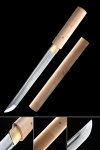
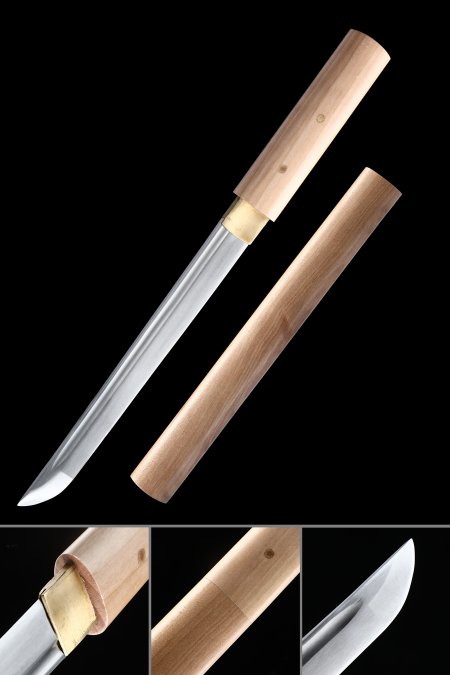
1095 Carbon Steel Tanto with Natural Wood Saya - Full Tang Shirasaya-Style Replica 1095 Carbon Steel Tanto with Natural Wood Saya - Full Tang Shirasaya-Style Replica
Cart 0 Items

Your cart is empty