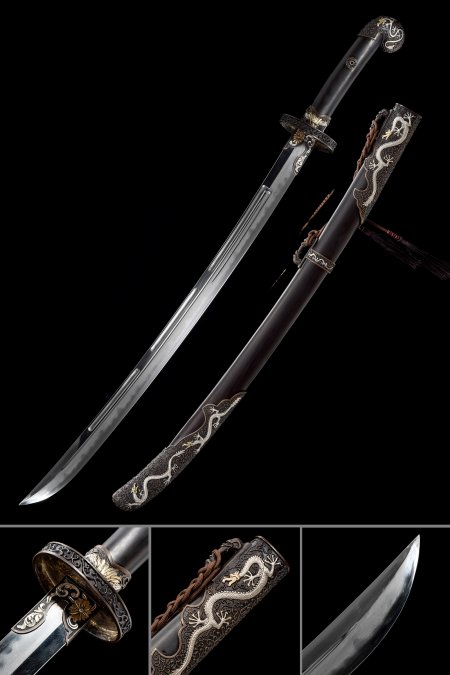
Chinese Saber
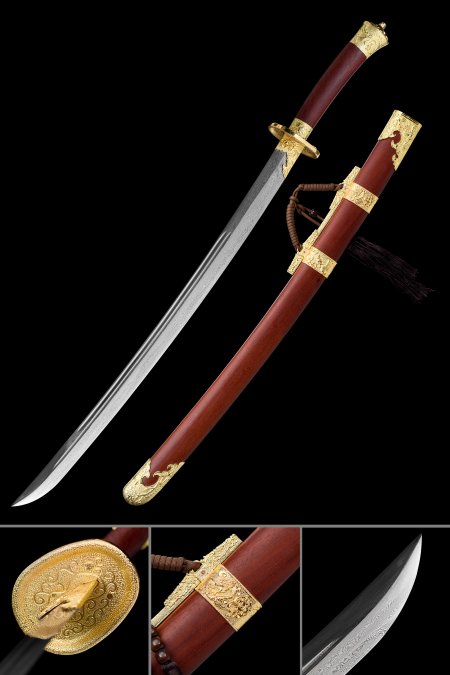
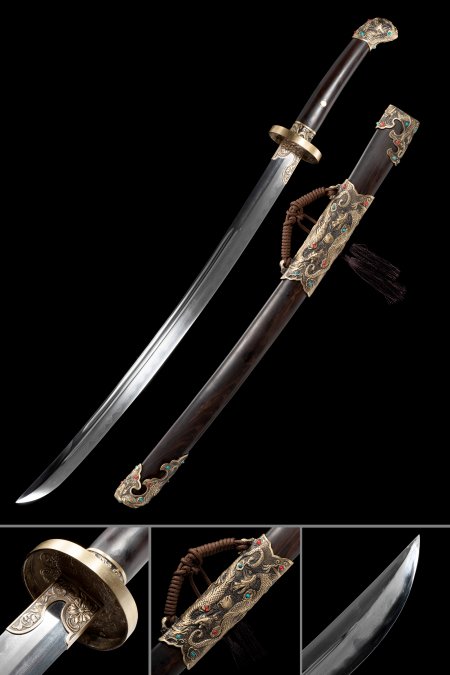
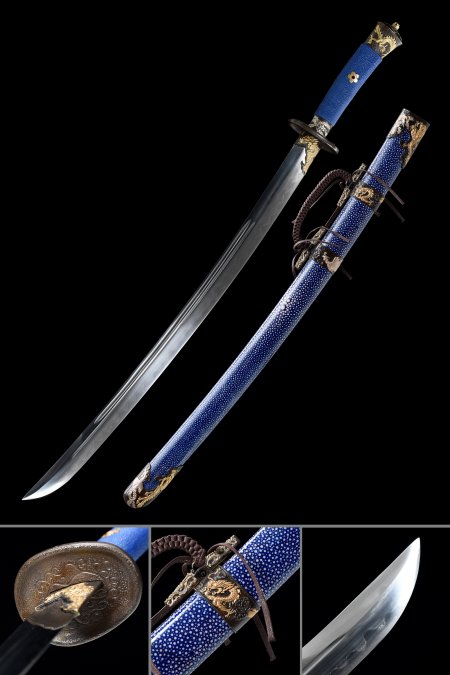
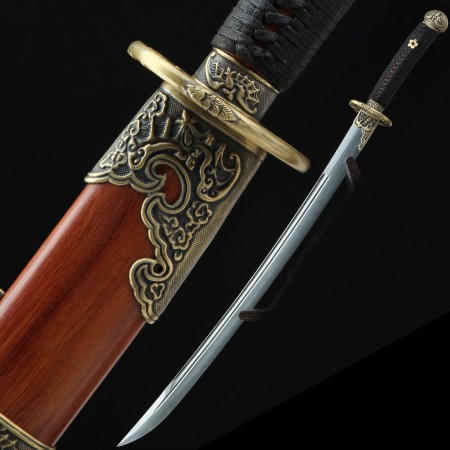
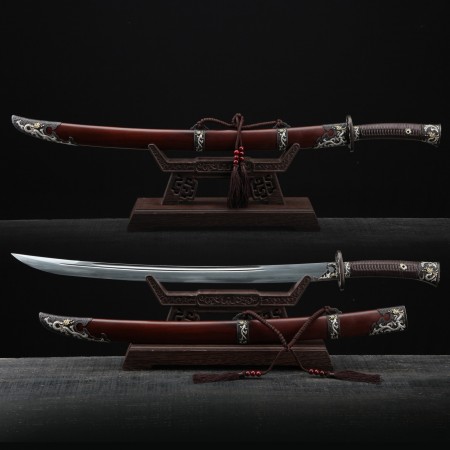
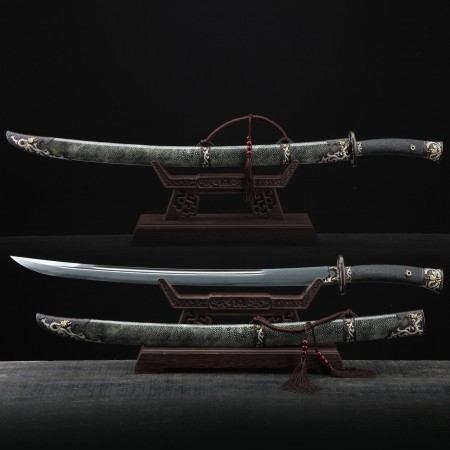
Browse our collection of Chinese sabers - hand-forged dao and Chinese saber blade collectibles covering the full spectrum of historical Chinese single-edged sword forms, from Han Dynasty military sabers to officer-style and martial arts configurations in Manganese Steel, 1095 carbon steel, and Damascus steel. Each piece features full-tang construction and traditional Chinese sword fittings. Free US shipping and hassle-free returns included.
Free Shipping
599.00 USD
Free Shipping
679.00 USD
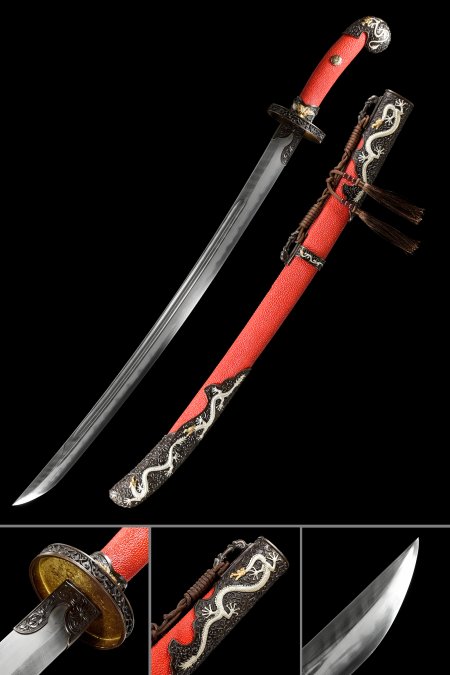
Free Shipping
1,239.00 USD
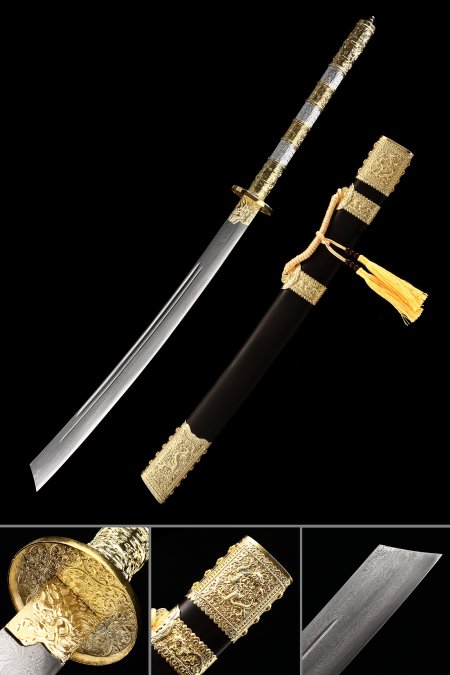
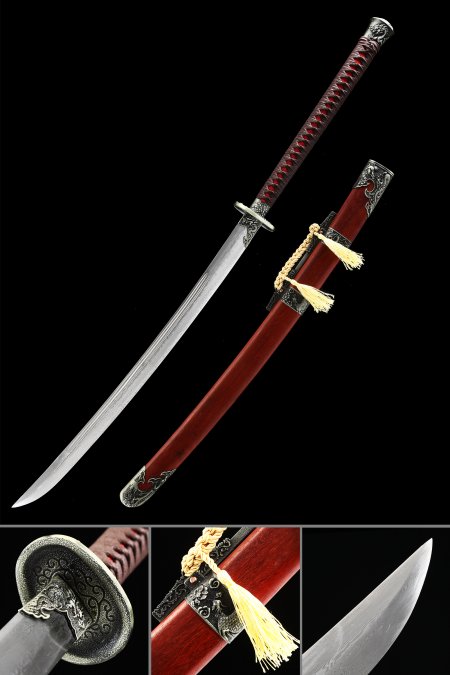
Free Shipping
209.00 USD
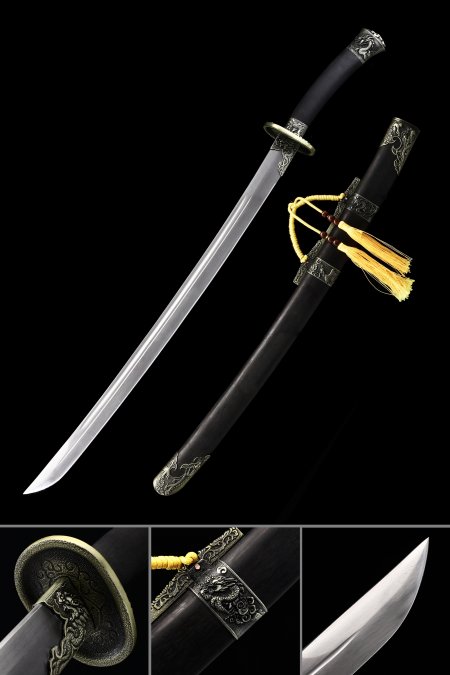
Free Shipping
289.00 USD
Free Shipping
1,079.00 USD
Free Shipping
1,009.00 USD
Related Collections
Ancient Chinese Samurai Sword128 items
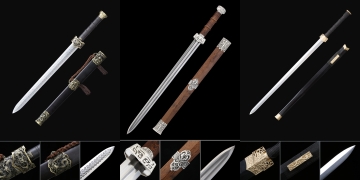
Han Dynasty Sword73 items
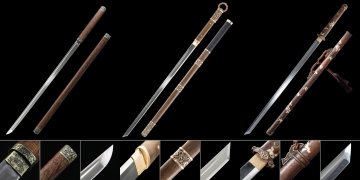
Chocolate Tang Dynasty Swords10 items
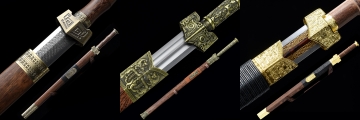
Frequently Asked Questions
What is the range of historical Chinese saber forms and which are available here?
The historical Chinese saber tradition spans a remarkably wide range of blade forms that evolved through successive Chinese dynasties from the Han period onward. Early Han Dynasty sabers tended toward relatively moderate curves and broad blade profiles. Tang Dynasty saber forms developed more pronounced single-edged curves and refined the ring pommel that became a defining feature of Chinese sabers. Song and later dynasty sabers developed further regional variations including the hudiedao butterfly swords and the zhanmadao long saber. The collection draws primarily on the most widely collected Chinese saber forms: the standard dao broadsword representing the classic Chinese military saber, officer presentation sabers with refined fittings appropriate to high-status usage, and single-edged curved configurations that reference the cavalry saber tradition. Damascus steel pieces and plain carbon steel pieces are both available across these main form categories. All pieces are identifiable as Chinese saber forms by their fundamental design characteristics: single sharpened edge on the outer curve, spine on the inner curve, and the ring pommel that appears on most Chinese saber forms from the Han Dynasty onward.
What is the significance of the ring pommel on a Chinese saber?
The ring pommel is one of the most culturally distinctive design features of the Chinese saber tradition, and its presence is one of the clearest visual identifiers that a sword belongs to the Chinese rather than the Japanese or European tradition. The ring pommel - a metal ring attached to or forming the butt end of the handle - serves both practical and symbolic functions in the Chinese saber tradition. Practically, the ring allows the saber to be attached to a wrist cord or tether that prevents the sword from being dropped during active use. The ring also shifts the weight distribution of the handle, affecting the sword's balance point and handling character. Symbolically and visually, the ring pommel is so closely associated with the Chinese dao saber form that it has become one of the primary visual markers that identifies a blade as part of the Chinese military sword tradition. In display terms, the ring pommel is clearly visible from across the room and immediately communicates the Chinese cultural origin of the piece to any viewer familiar with Asian sword traditions.
How does a Chinese saber differ from Japanese and European saber forms?
A Chinese saber, a Japanese katana, and a European cavalry saber are all single-edged curved blades, but they differ significantly in geometry, fitting systems, and cultural character. The Chinese dao saber has a blade that often widens toward the tip - a characteristic silhouette that gives the dao its distinctive profile. The ring pommel, disc or oval guard, and the scabbard construction are all distinctly Chinese. The Japanese katana has a more graceful, consistent taper from base to tip, with a more pronounced and evenly distributed sori curve, and its tsuba guard, ito-wrapped handle, and lacquered scabbard are all distinctly Japanese in form. European cavalry sabers tend toward longer, more slender blades with less pronounced curves, and their basket guards and grip systems are recognizably European in design. The three traditions are visually distinct despite sharing the single-edged curved format, making the Chinese saber an identifiably unique collectible that does not overlap visually with either Japanese or European sword forms.
What construction standards should I look for in a quality Chinese saber collectible?
Quality Chinese saber collectibles share several construction standards that distinguish serious pieces from lower-quality decorative alternatives. Full-tang construction is the most important: the blade steel should run from the tip through the complete handle, secured by a pin or pommel rather than ending at the guard and attaching to a separate handle rod. High-carbon steel blade material - Manganese Steel, 1095, or Damascus - confirms proper heat treatment capability and genuine blade hardness, distinguishing the piece from stainless steel decorative pieces. The ring pommel should be securely attached to the handle, with no loose play that would indicate inadequate construction. The guard should fit the blade and handle without excessive gap or misalignment. The scabbard should fit the blade securely without excessive looseness that would allow the blade to rattle, but not so tightly that insertion and withdrawal require excessive force. The scabbard fittings including metal mouth piece and drag should be properly attached. All Chinese sabers in this collection meet these construction standards with full-tang high-carbon steel construction throughout.
Customer Reviews
Chad Mack
Illinois, United States
very satisfied with the miao dao sword,I might purchase another one about April or, May.
 |
Handmade Chinese Dao Broadsword - 1045 Carbon Steel Qing Dynasty Saber With Dragon Scabbard |
Theresa K Mcguire
New York, United States
Service is excellent! product was delivered by the time they promised. Had a few questions & customer service was very quick to respond and assist. Item came & is beautiful! Gift for my son & he is extremely happy with the broadsword!
|
Handmade Chinese Dao Broadsword - 1045 Carbon Steel Qing Dynasty Saber With Dragon Scabbard |
Adam Ernst
New York, United States
The sword is absolutely beautiful. Super high quality! Would recommend to anyone.
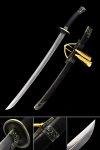 |
Oxtail Dao - Clay Tempered 1095 Carbon Steel Chinese Broadsword With Ebony Scabbard |
Phillip Copeland
Georgia, United States
Very good to excellent construction. Ideal weight, not too light or flimsy and not too heavy. Great weight. Overall, an EXCELLENT piece.
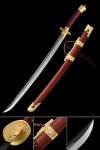 |
Handmade Chinese Qing Dynasty Sword With Rosewood Scabbard - Broadsword |
Brian Dana Morgan
Florida, United States
I bought this sword for my son. It was for his 18th Birthday. He loved it. We were both impressed with the look feel and quality of workmanship. Absolutely worth the price. If you can even put a price on the love and admiration of a 18 year old son this day and age. Mission Accomplished!!!
|
Handmade Chinese Dao Broadsword - 1045 Carbon Steel Qing Dynasty Saber With Dragon Scabbard |
David Edward Self
Tennessee, United States
This blade is absolutely beautiful.I was completely blown away by the craftsmanship of this sword.Would highly recommend and is worth every penny.
|
Oxtail Dao - Clay Tempered 1095 Carbon Steel Chinese Broadsword With Ebony Scabbard |
Michael Mastracci Sr
Michigan, United States
Beautiful sword. Workmanship is outstandingly. Will definitely recommend your site.
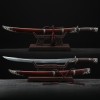 |
Chinese Oxtail Dao - Folded Steel Clay Tempered Qing Dynasty Broadsword With Rosewood Scabbard 36 Inches |
Darrell Webster
Michigan, United States
Very nice quality. Arrived within 3 weeks, which was nice. Very happy
|
Oxtail Dao - Clay Tempered 1095 Carbon Steel Chinese Broadsword With Ebony Scabbard |