How do I evaluate the quality of hand-forging in a Japanese sword?
Updated Feb 2026
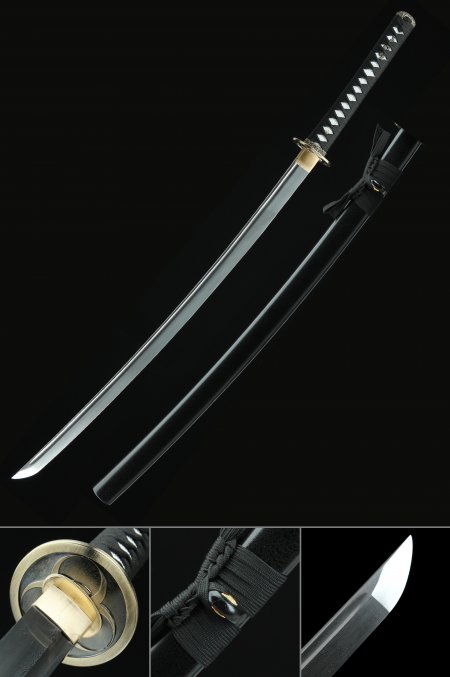
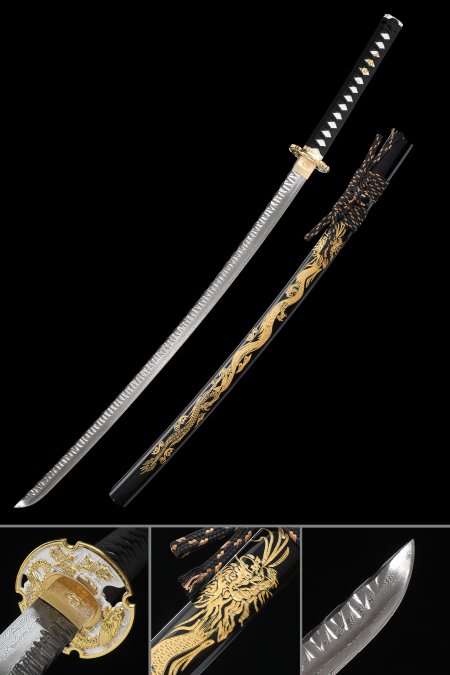
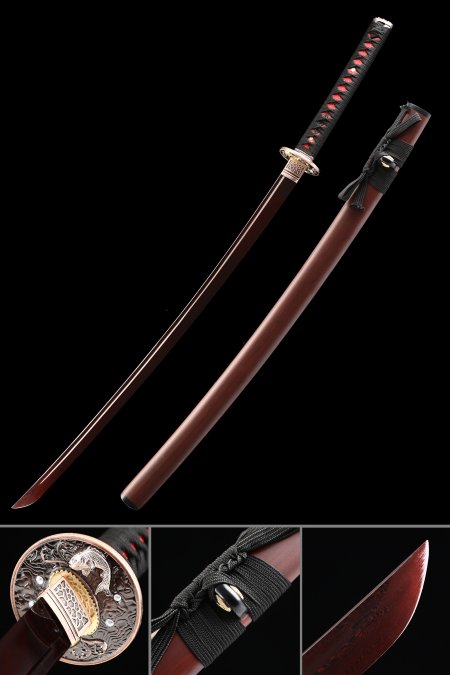
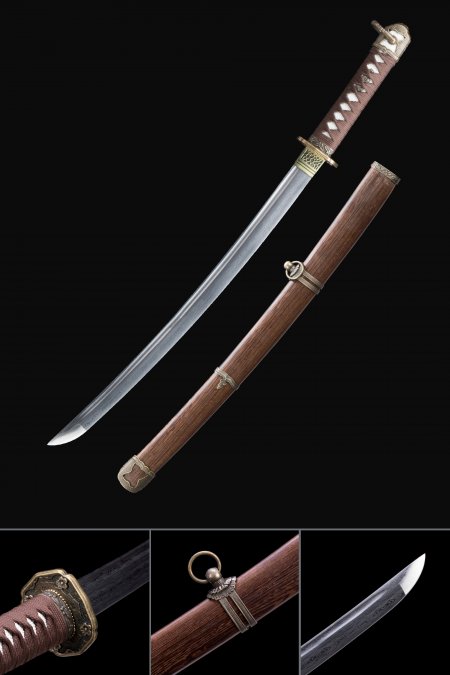
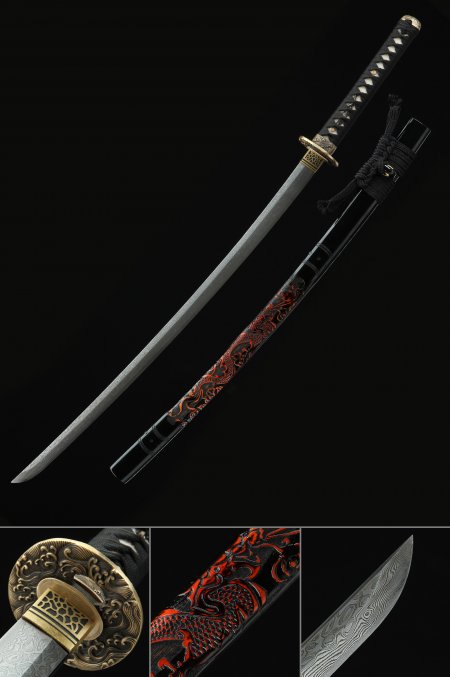
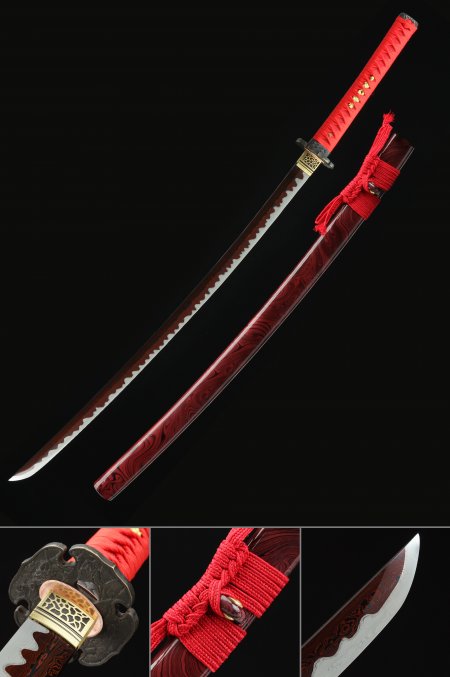
Evaluating hand-forging quality requires examining several specific characteristics that reflect the skill applied at each construction stage. The hamon on clay-tempered pieces is the primary quality indicator at the T10 tier: genuine hand-forged clay tempering shows nie crystalline activity visible under good light, organic boundary variation that reflects the clay application, and three-dimensional depth that surface-etched simulation cannot replicate. The blade geometry should show consistent curvature flow, clean shinogi ridge line, and correct kissaki proportions. The cross-section shape should taper consistently from base to tip. On Damascus pieces, pattern consistency and forge-weld integrity across the full blade length reflect the smith's forge-welding skill. The full-tang assembly quality and the fit between blade and handle components also reflect the finishing quality that serious hand-forging produces.