What does hand-forged mean in the context of Japanese katana construction?
Updated Feb 2026
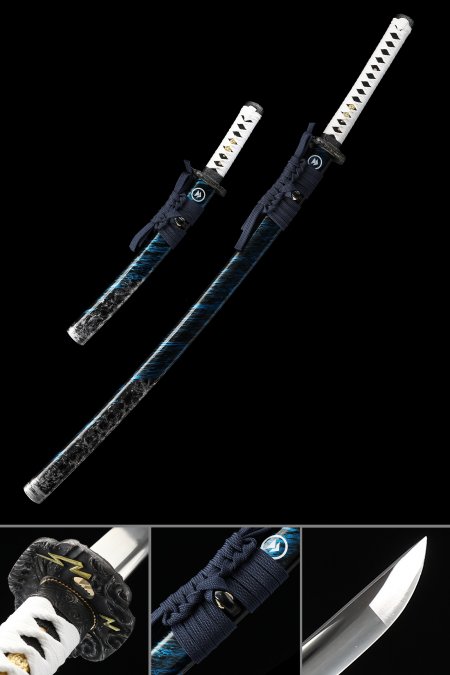
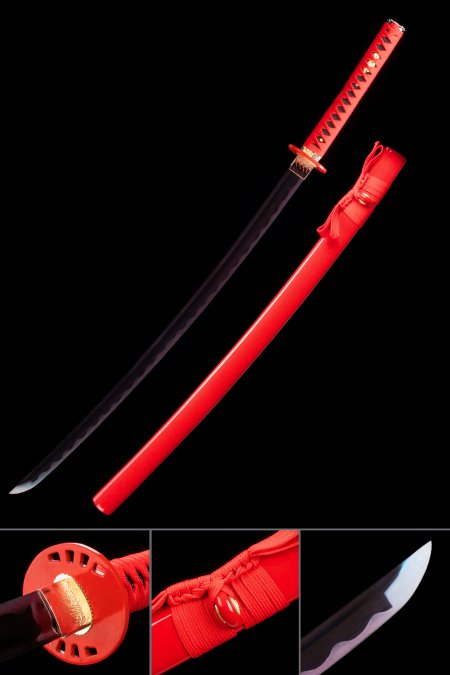
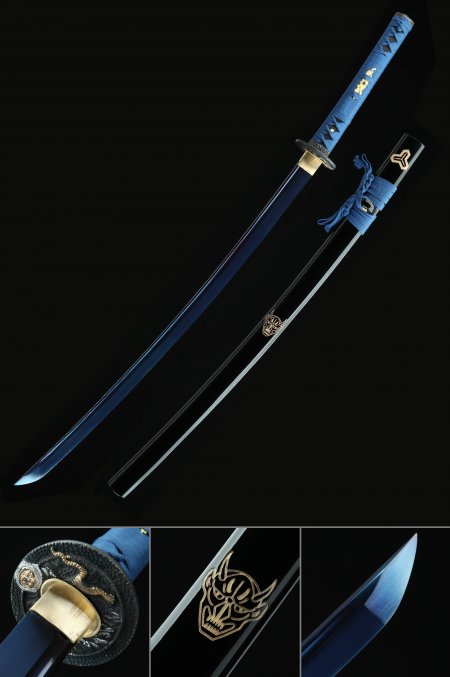
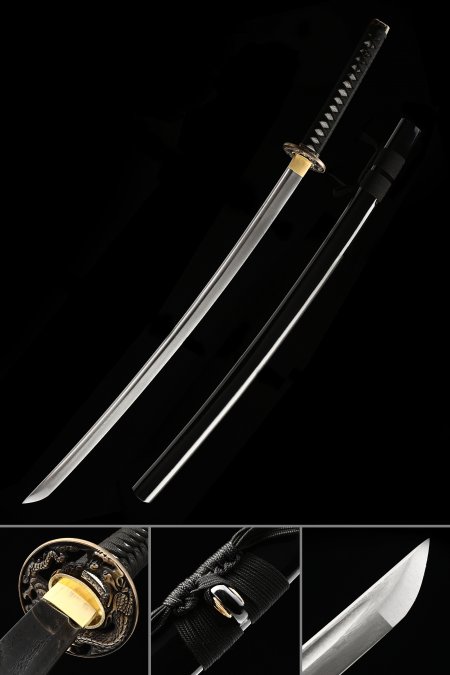
Hand-forged Japanese katana construction means that the blade has been shaped through individual smith work using hammer and heat rather than industrial stamping, casting, or CNC machining. The process begins with the billet - a piece of high-carbon steel that is heated to forging temperature and worked under hammer to shape the blade profile including the curvature, geometry, and cross-section. Multiple heating and hammering cycles are required to develop the correct blade geometry. After shaping, normalizing cycles reduce internal stress in the worked steel before the heat treatment proper. The quenching and tempering that achieve blade hardness require individual judgment about temperature and timing. The grinding and polishing that create the final blade surface are done by hand with progressive grits. Each step is individual skilled work whose quality is determined by the craftsman's ability.