What makes a Damascus steel sword genuinely handmade versus machine-produced?
Updated Feb 2026
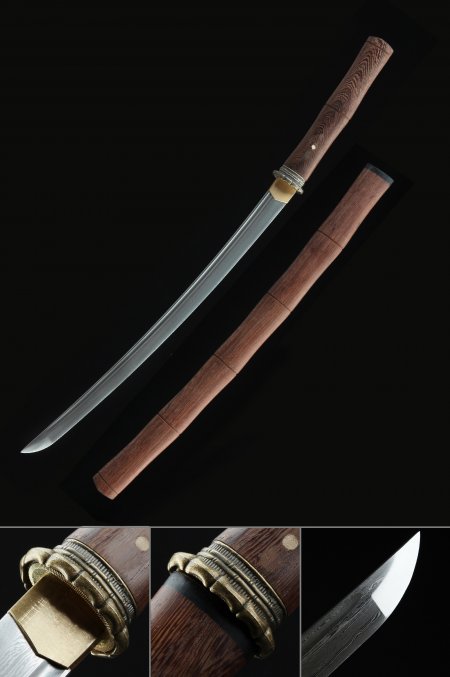
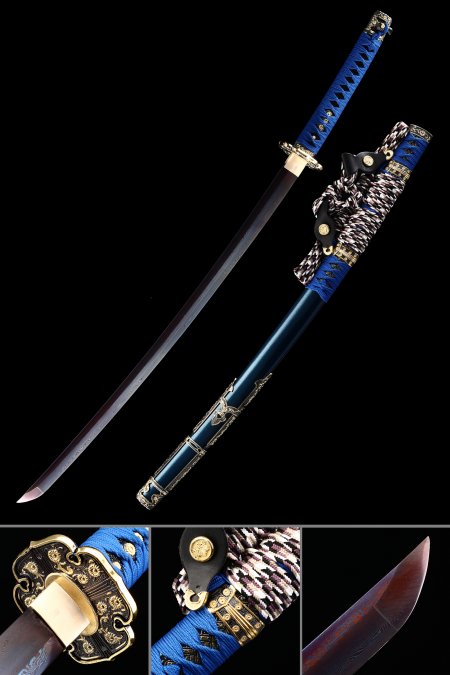
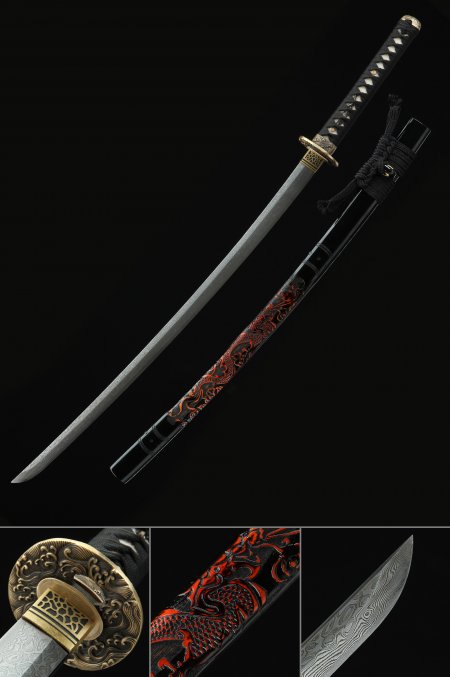
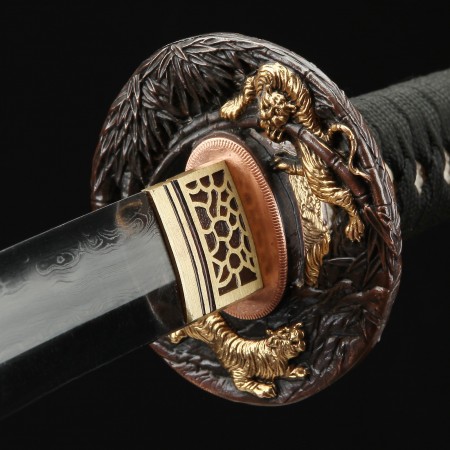
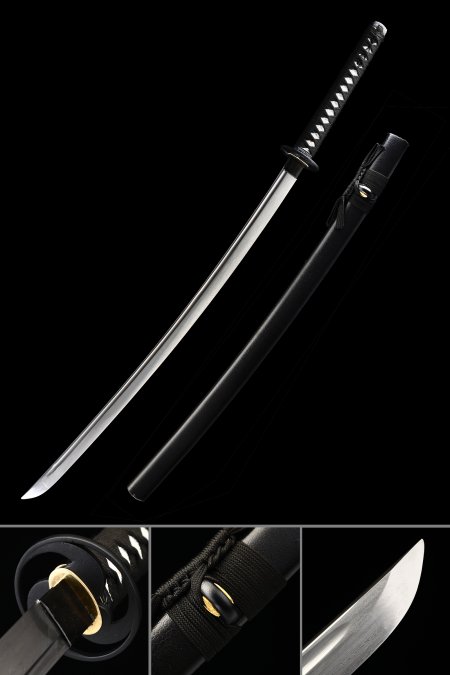
Genuine handmade Damascus steel swords require individual craftsman involvement at the critical stages that machine production cannot replicate. Billet preparation - assembling and tack-welding the starting steel stack - must be done individually. The forge-welding itself requires the smith to judge temperature by color and sound, flux application, and hammer timing with the precision that machine automation cannot achieve in the variable temperature environment of a forge. The folding cycles require individual manipulation of each heated billet. Pattern manipulation techniques like twisting, drawing, or ladder-grinding require individual judgment and execution. Surface finishing and final geometry grinding are done by hand. The acid-etching that reveals the layered pattern is applied and timed individually per blade. Each handmade Damascus sword is the product of hours of individual skilled work, which is why the pattern is unique per blade.