How does the hamon appear on a clay-tempered wakizashi compared to a katana?
Updated Feb 2026
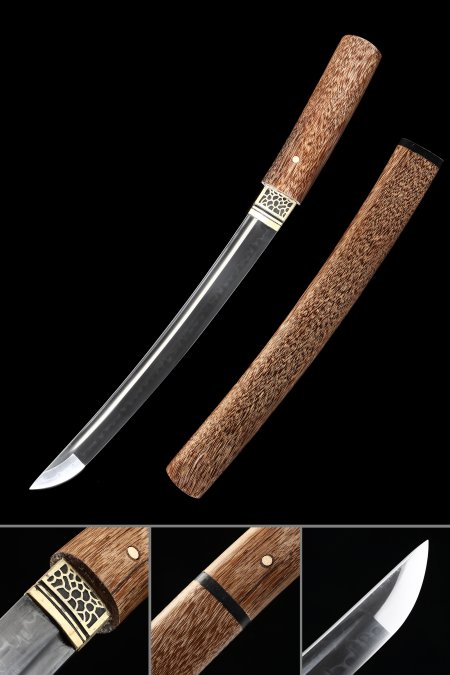
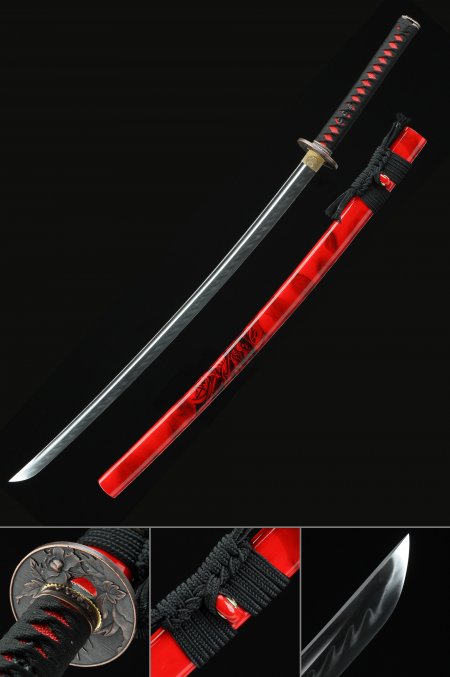
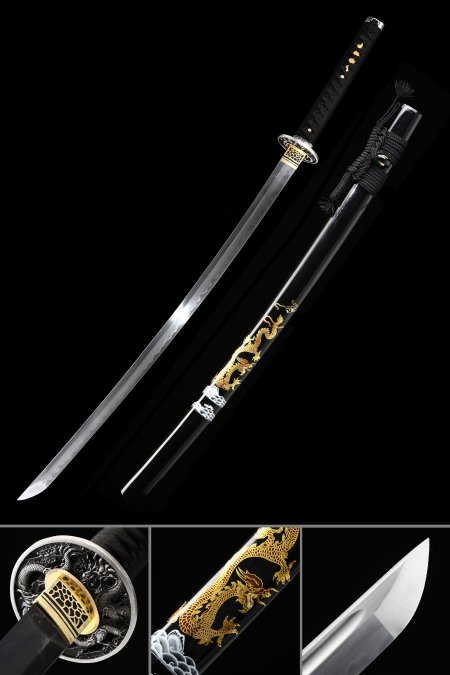
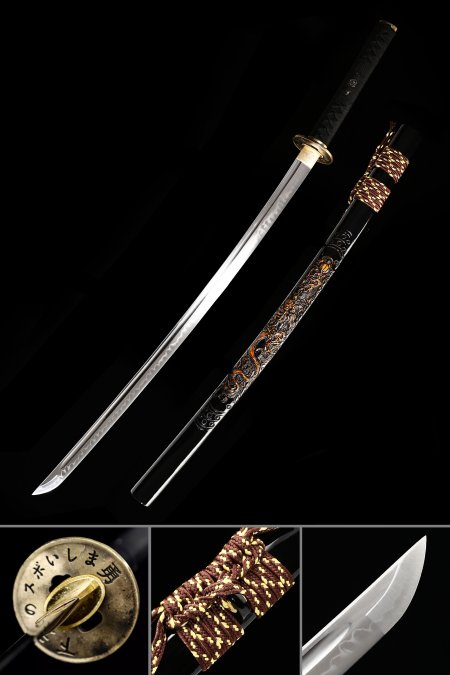
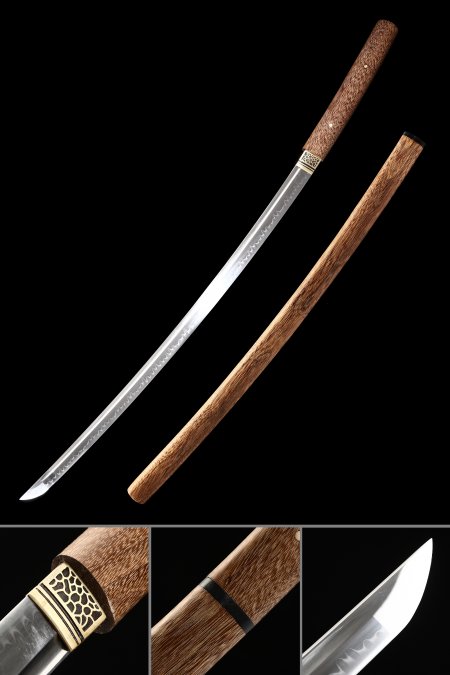
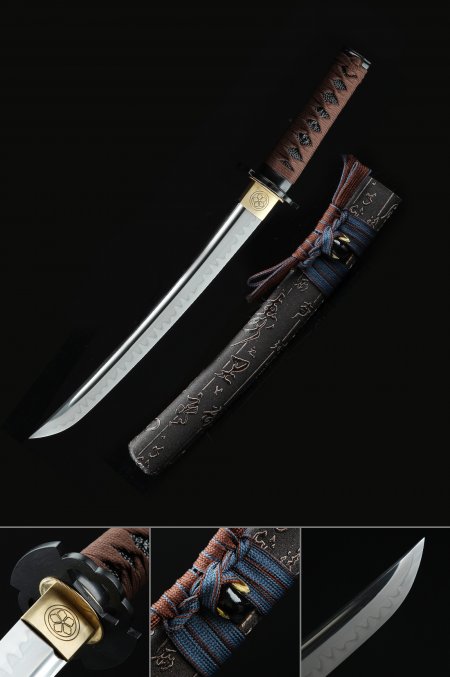
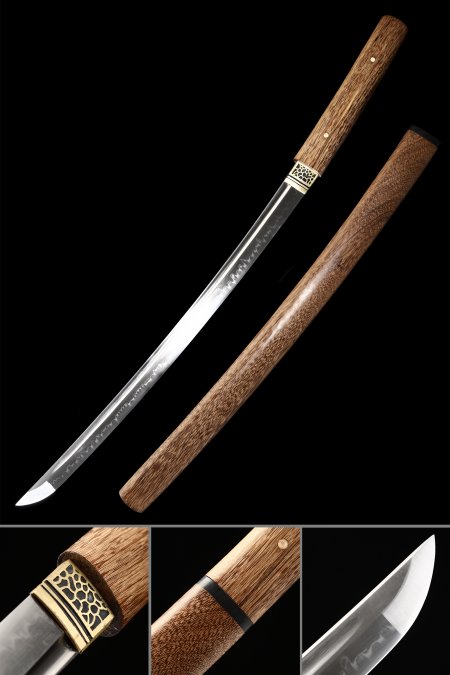
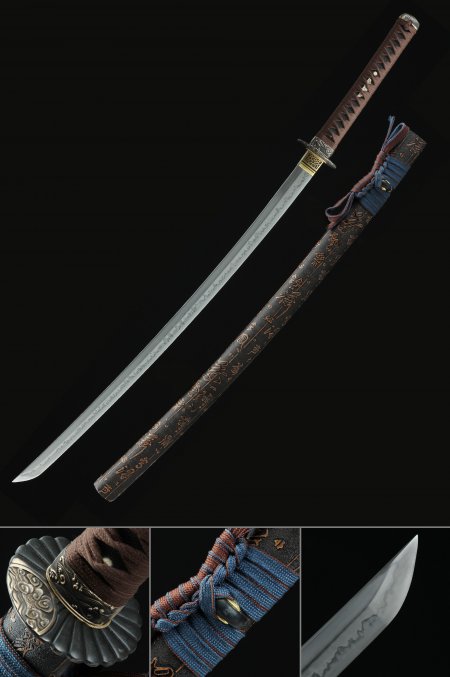
The hamon on a clay-tempered wakizashi has the same metallurgical characteristics as the hamon on a T10 clay-tempered katana - the same nie crystalline activity, the same pattern character from the clay application, and the same three-dimensional depth in the temper boundary. The visual difference is one of scale and density: the wakizashi's shorter blade concentrates the hamon pattern into a smaller surface area, which can make the pattern appear more dense and the details more visible in relation to the overall blade surface. A suguha straight hamon on a wakizashi has less absolute length than on a katana but the same line quality. A choji or notare pattern on a wakizashi is compressed into the shorter blade but shows the same essential pattern character. Collectors examining both formats of clay-tempered T10 frequently note that the wakizashi's smaller scale makes the hamon details more approachable for close examination.