How does the hamon in a handmade sword reflect craftsmanship quality?
Updated Feb 2026
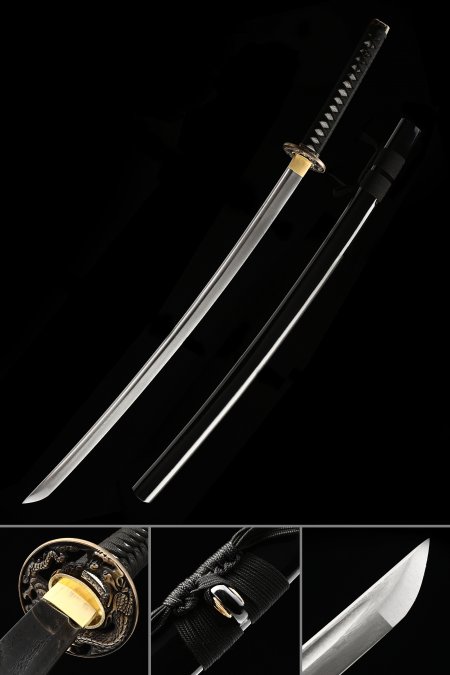
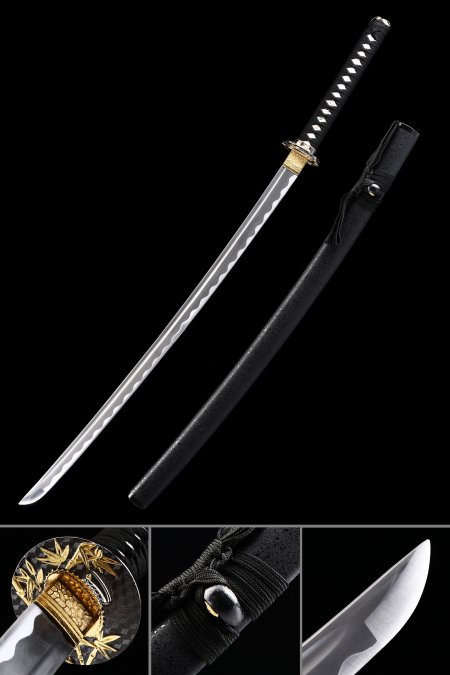
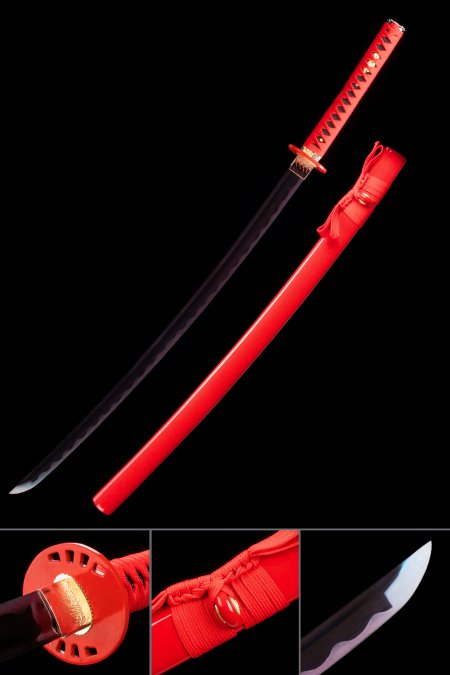
The hamon in a handmade samurai sword is the most direct visible record of the craftsman's skill. A well-executed hamon shows consistent and active nie - fine crystalline structures in the temper boundary zone - running the full blade length with a purposeful path that reflects intentional clay application. The specific hamon pattern, whether straight suguha, undulating notare, or pointed choji, is determined by the craftsman's clay technique and is unique to each blade. A poorly executed hamon is faint, irregular, or absent in areas. For collectors who understand hamon quality, the temper line is the single most informative marker of whether the handmade piece represents skilled work. The more active and clearly defined the nie in the boundary zone, the more precisely the clay tempering was executed.