How does the Chinese polearm tradition differ from Japanese polearm weapons?
Updated Feb 2026
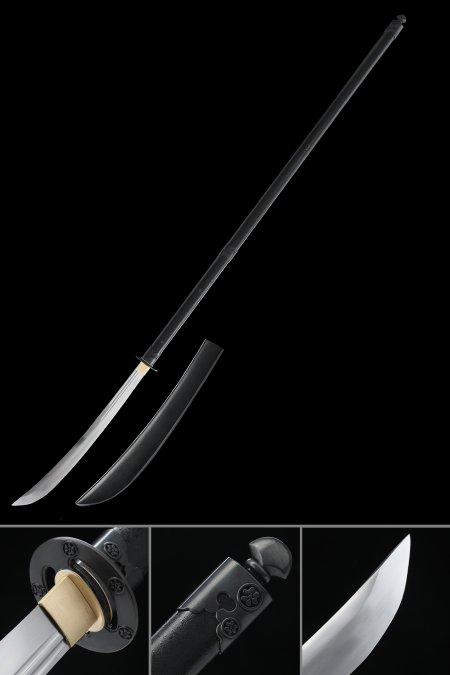
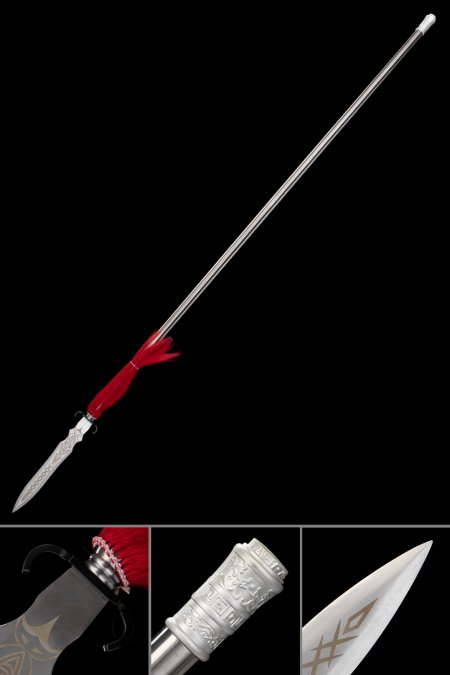
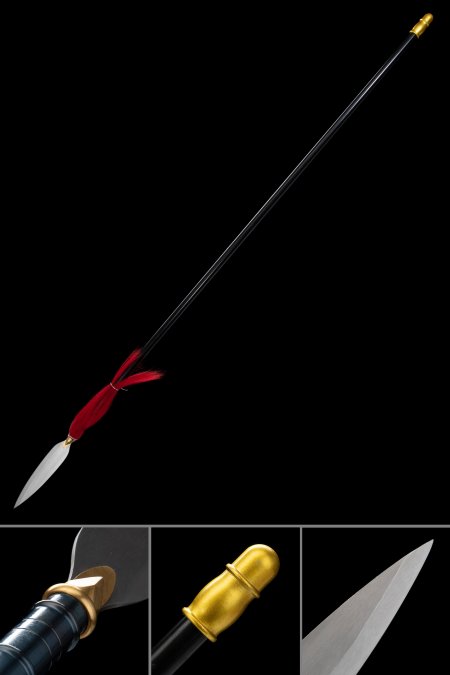
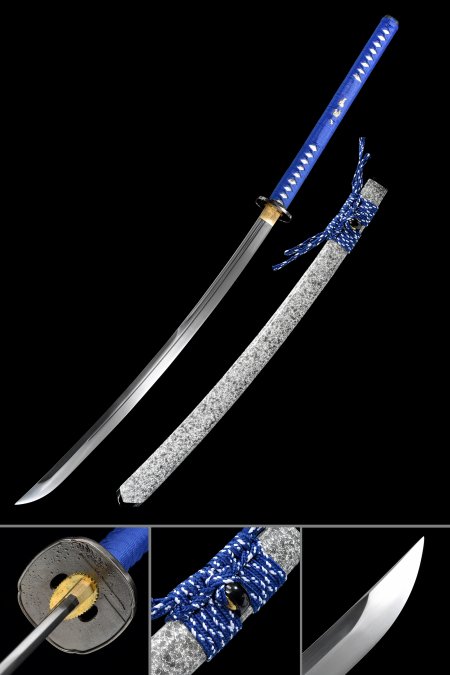
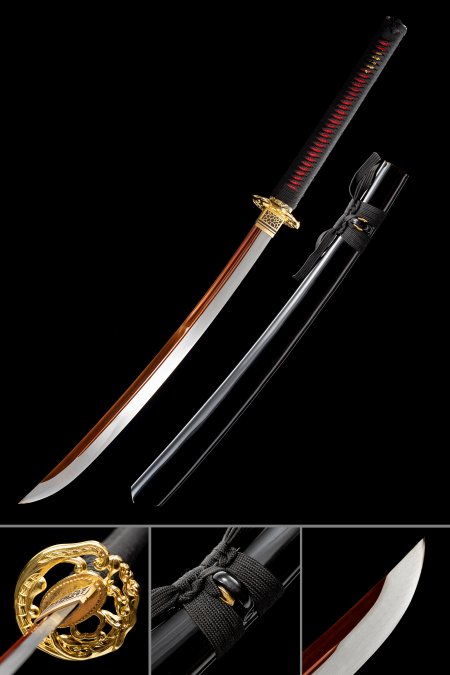
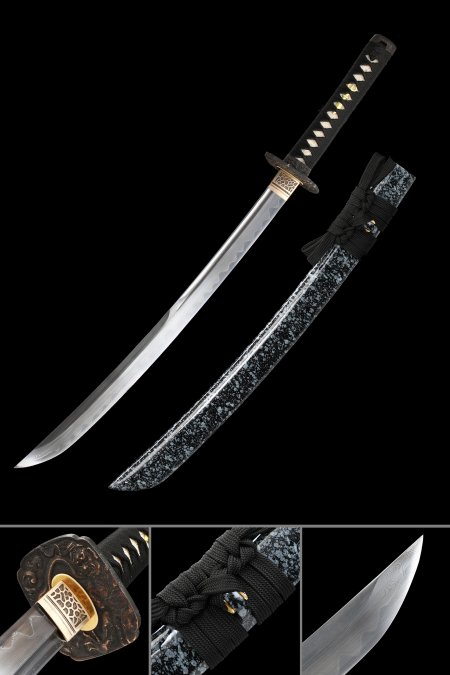
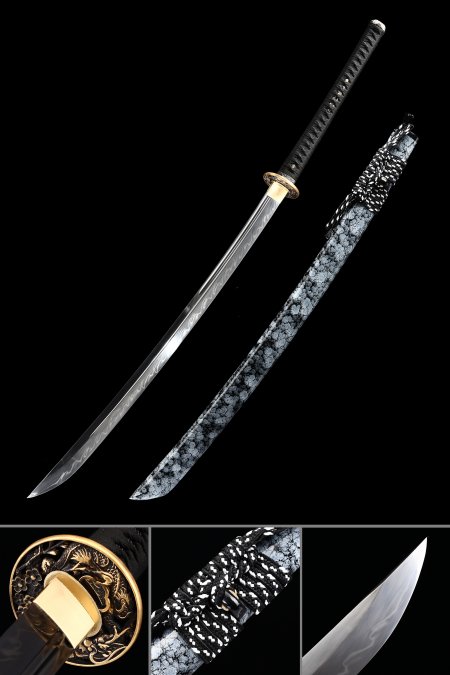
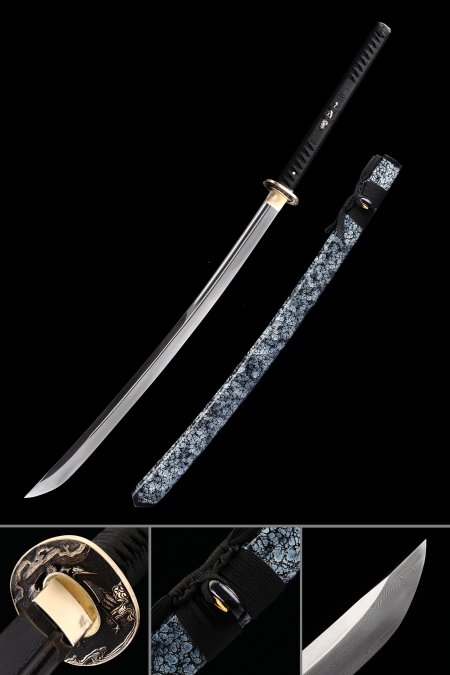
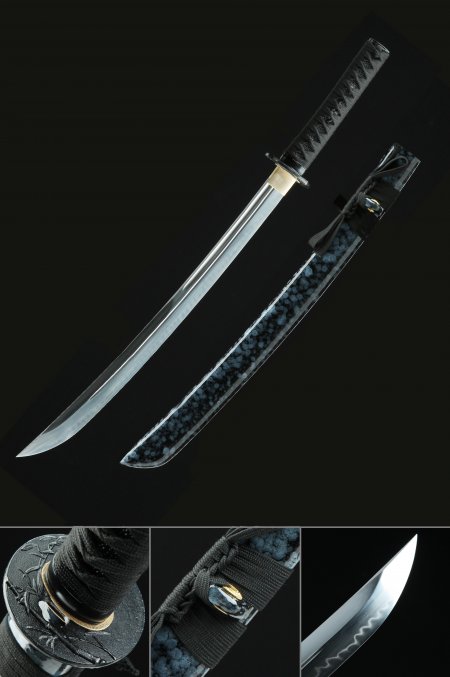
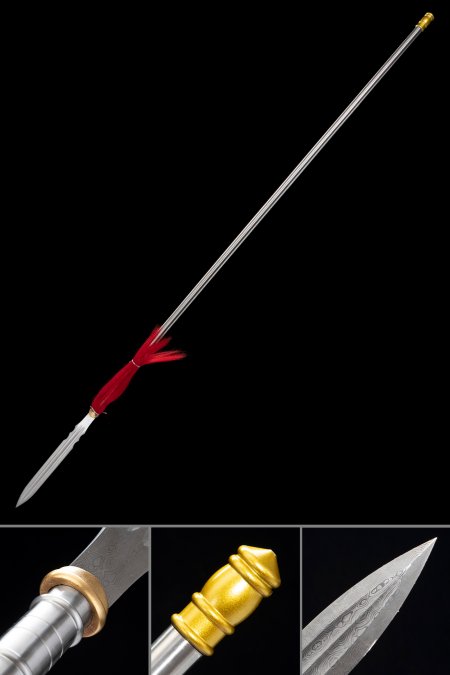
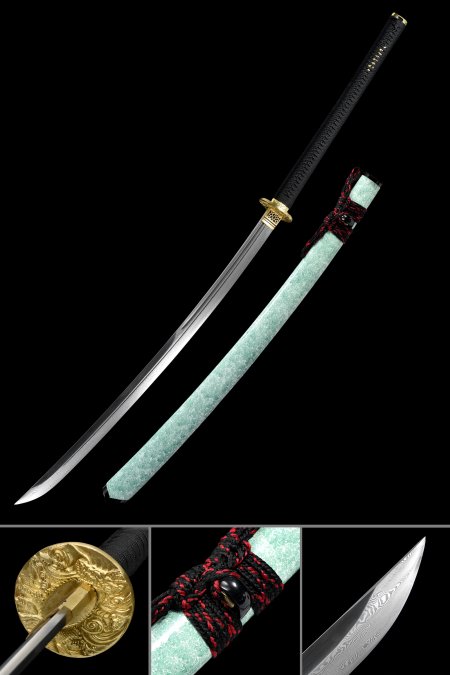
The Chinese and Japanese polearm traditions developed along parallel but distinct paths that reflect the different martial cultures of each civilization. Chinese polearms - the Guan Dao, the various spear formats, and the podao long-blade weapons - were designed for large-scale battlefield use and reflect the mass warfare context of Chinese military history, where armies of thousands required weapons that could be used effectively in formation. The designs prioritize cutting power, reach advantage, and the ability to engage multiple opponents. Japanese polearms - primarily the naginata and the yari spear - developed in a different military context and aesthetic tradition. The naginata's elegant proportions and its association with samurai cavalry and female martial arts give it a different cultural character than the Chinese Guan Dao's association with divine warrior power.