What makes a katana qualify as a real sharp katana versus a decorative display piece?
Updated Feb 2026
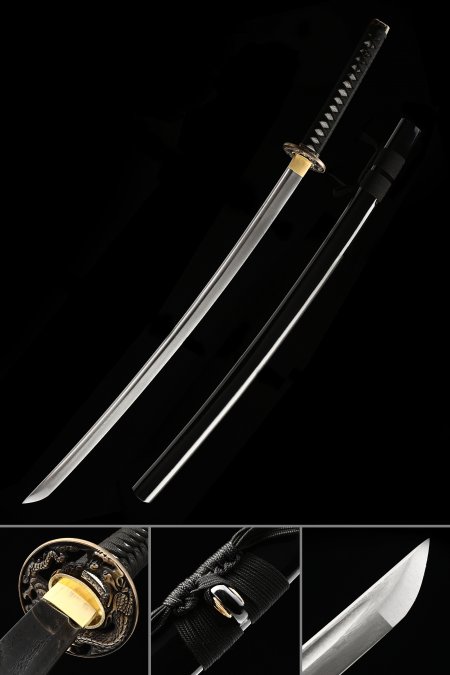
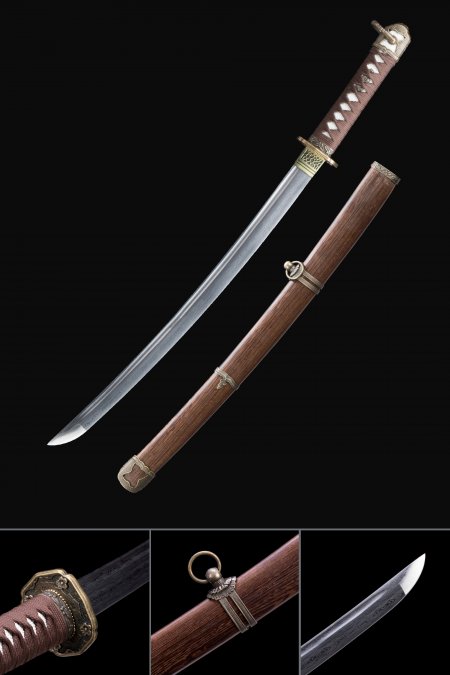
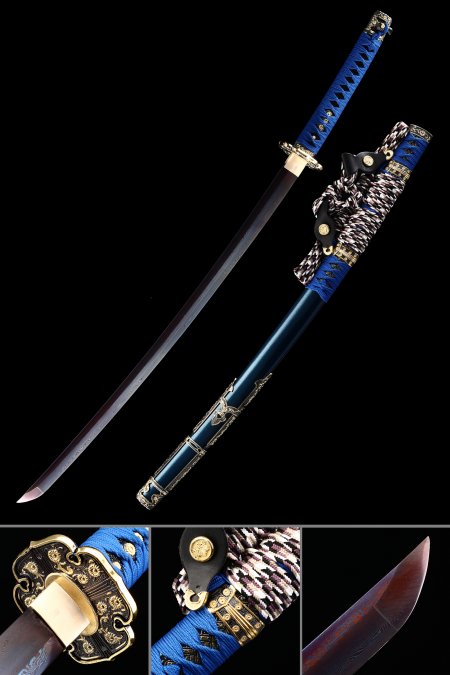
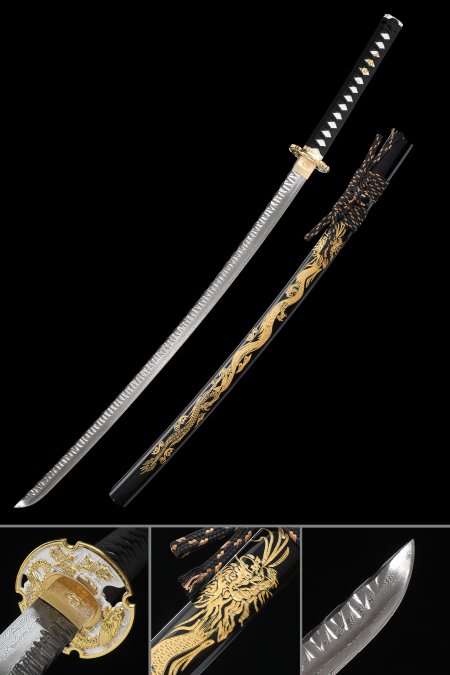
A real sharp katana is defined by several construction standards that together distinguish a genuine collectible blade from a decorative display piece. The first and most fundamental requirement is blade material: a real sharp katana uses genuine high-carbon steel - 1045, 1060, 1095, T10, Damascus, or similar quality grades - that can be heat-treated to real blade hardness. Decorative pieces often use stainless steel or alloy metal that cannot be properly hardened and cannot hold a functional edge. The second requirement is construction: full-tang construction where the blade steel runs continuously through the handle body, confirmed by mekugi retention pins. Partial-tang or rat-tail tang construction is characteristic of decorative props rather than genuine katana. The third requirement is the blade edge itself: a properly sharpened high-carbon steel blade has an edge geometry appropriate to a functional Japanese sword. The combination of these three elements - genuine high-carbon steel, full-tang construction, and a properly sharpened edge - is what makes a katana qualify as real and sharp in the collector's standard.