How should Chinese tang swords be displayed alongside Japanese sword collections?
Updated Feb 2026
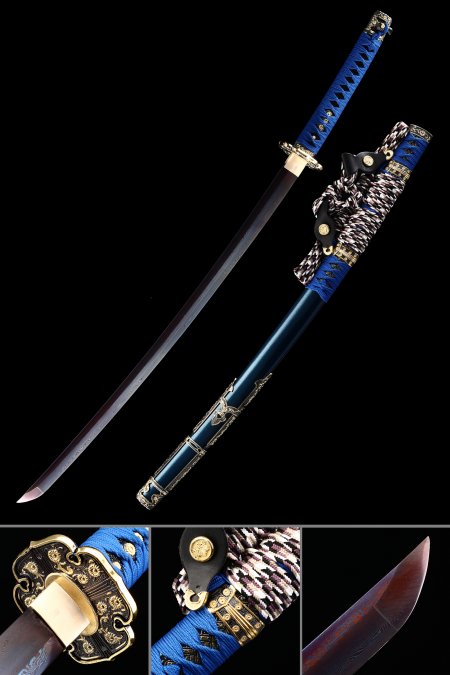
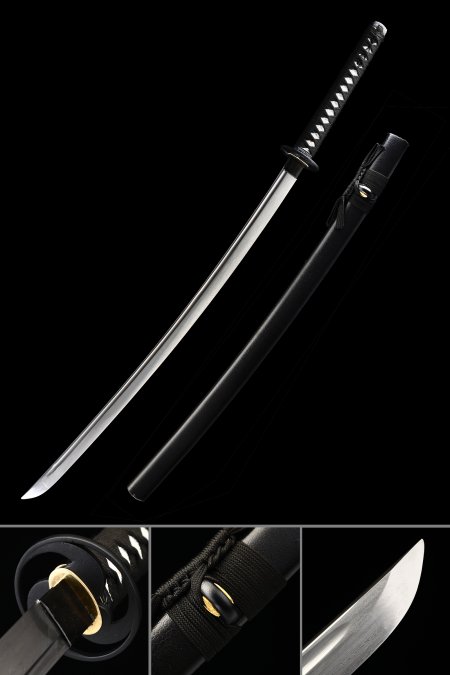
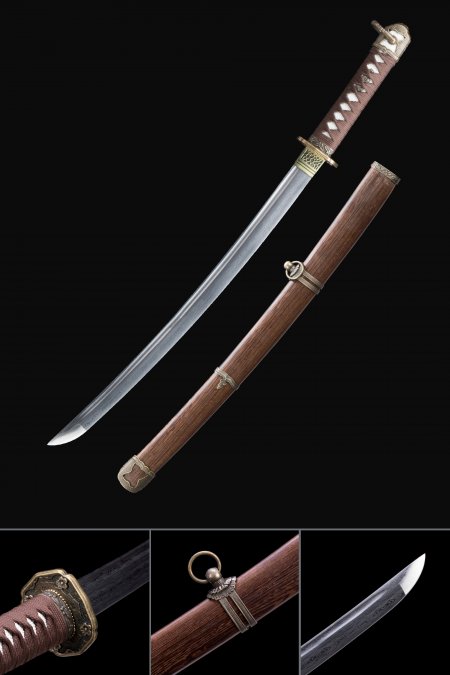
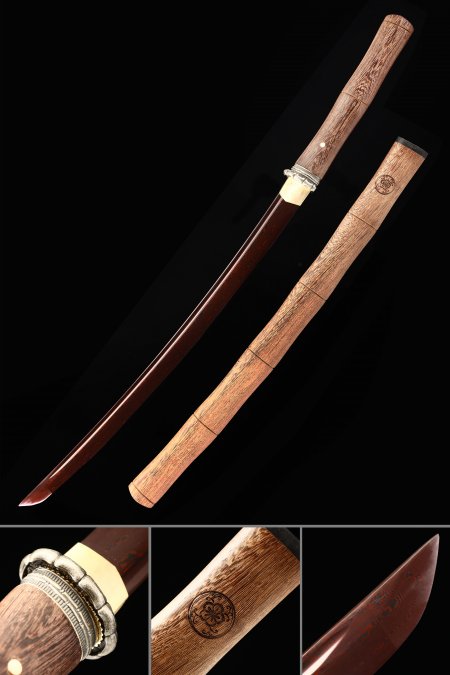
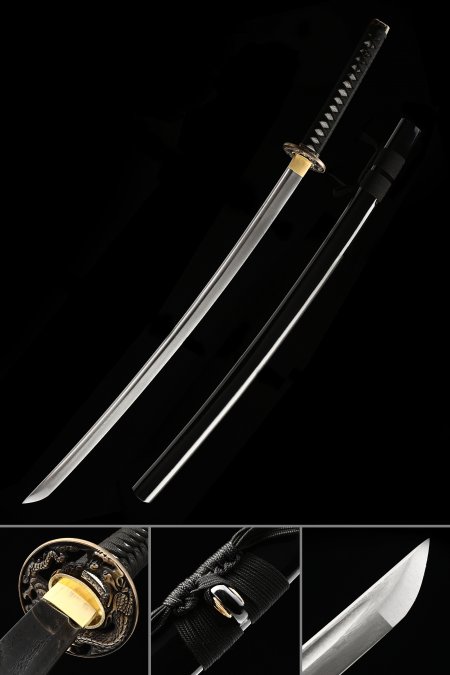
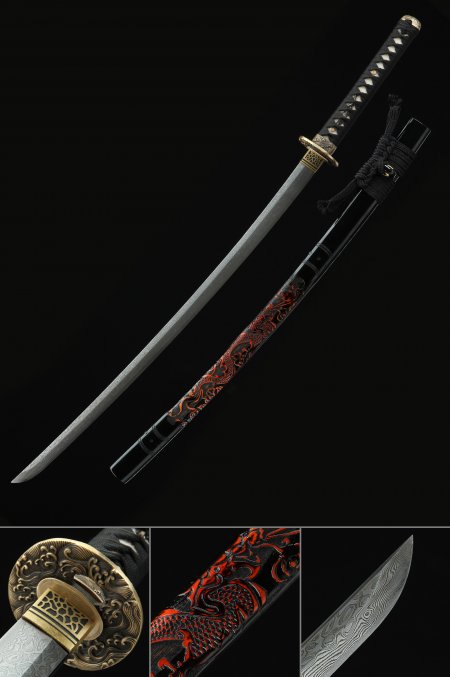
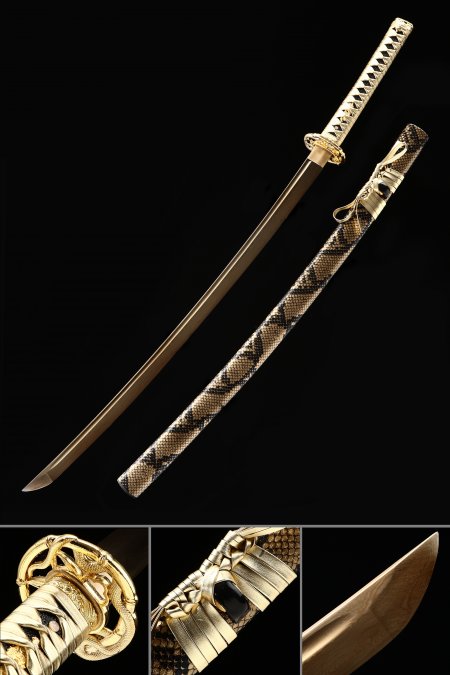
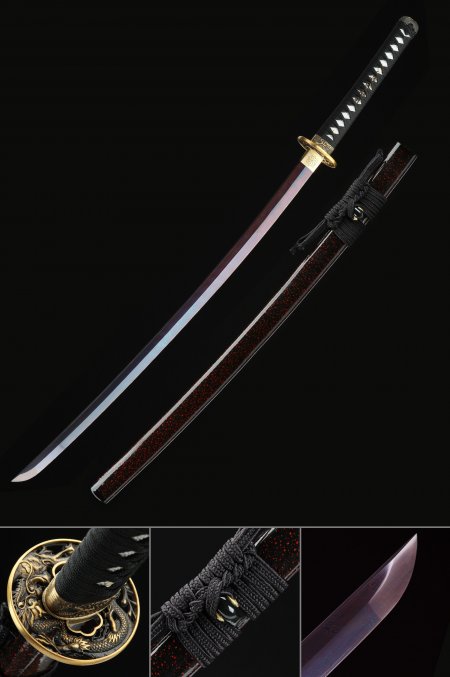
Displaying Chinese tang swords alongside Japanese sword collectibles creates one of the most culturally rich and visually interesting display compositions available to the East Asian sword collector. The visual contrast between Chinese and Japanese blade formats is immediately apparent and educational: the dao's broader blade with its characteristic curvature, the jian's elegant straight double-edged form, and the spear's extended reach all create silhouettes that are distinct from the Japanese katana's specific proportions and geometry, even while occupying the same general category of bladed collectibles. For practical display arrangement, Chinese swords generally work well on the same horizontal wall brackets used for Japanese katana, though jian straight swords and spear polearms may require different bracket spacing than standard katana mounts. A display that groups Chinese pieces together in a dedicated zone within a larger collection creates a coherent cultural section that visitors can read as a complete unit representing the Chinese martial tradition. Pairing a Chinese dao with a Japanese katana that shares a color or material theme - for example, a Damascus dao alongside a Damascus katana - creates visual connections across cultural boundaries that reward viewers who understand both traditions.