What is the significance of the WWII Type 98 Army Shin Gunto in Japanese sword history?
Updated Feb 2026
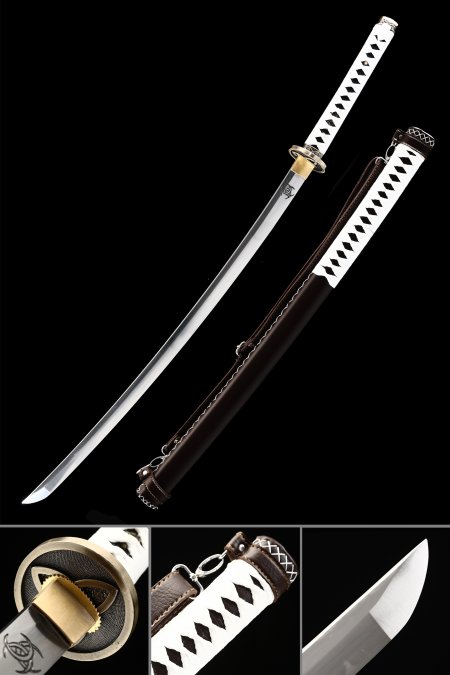
The Type 98 Army Shin Gunto represents one of the most historically significant chapters in the Japanese sword's journey from classical martial culture to the modern era. The Shin Gunto program - beginning in the 1930s and producing the Type 98 format from 1938 - was a deliberate effort by the Japanese Imperial Army to restore the tradition of officers carrying swords, which had been discontinued as the Japanese military modernized along Western lines in the Meiji period. The Type 98 design adapted traditional Japanese sword construction - curved single-edged blade in high-carbon steel - to military specifications, with a distinctive metal handle, army-pattern fittings, and a brown leather military scabbard that distinguished the military sword from the civilian katana. The Type 98 Shin Gunto is historically significant as the sword carried by Japanese officers throughout the Pacific War, making it a direct physical connection to one of the most consequential periods of twentieth-century history. For collectors of Japanese sword history, the Type 98 represents the end of the sword's role as an active military implement in the Japanese tradition.