What construction standards define an original Japanese katana as authentic?
Updated Feb 2026
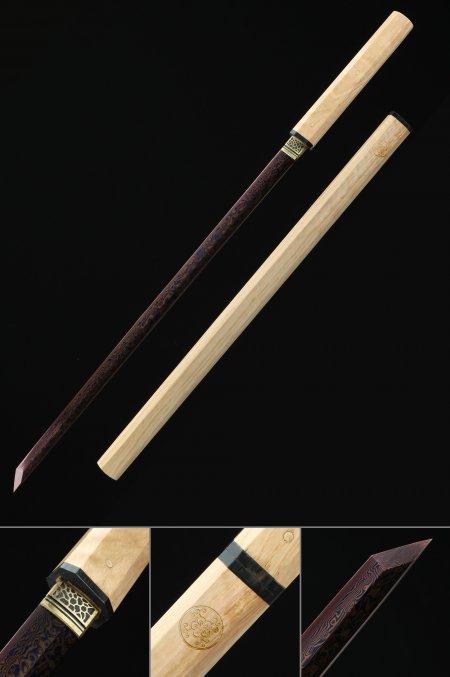
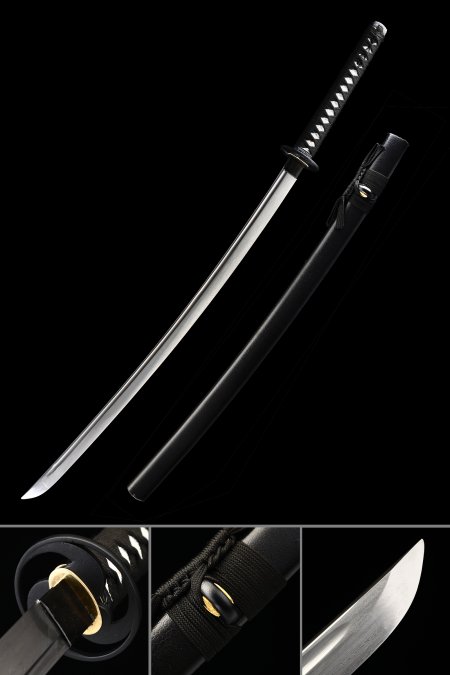
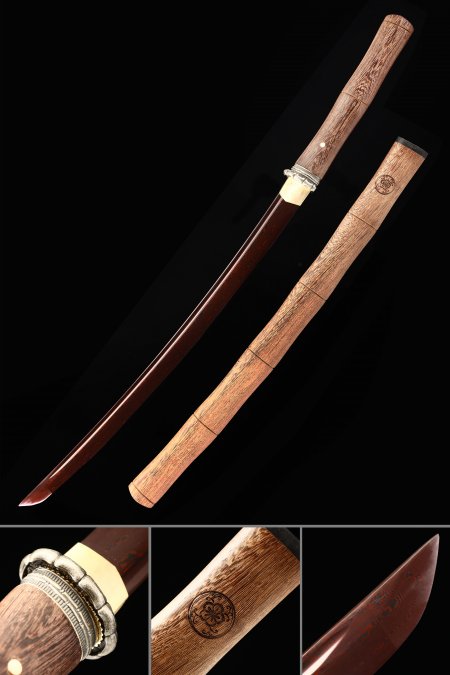
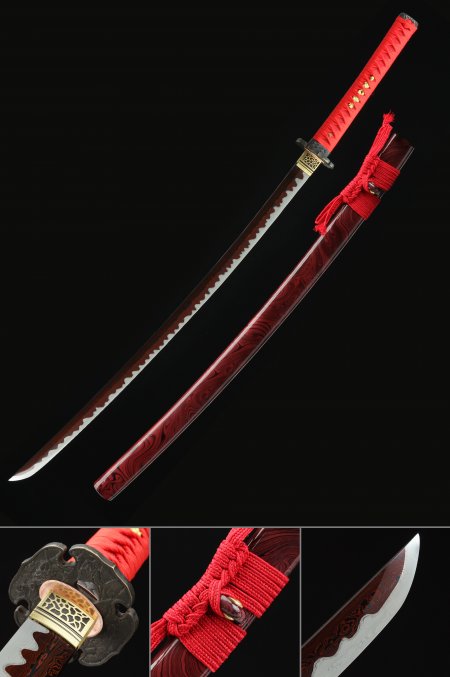
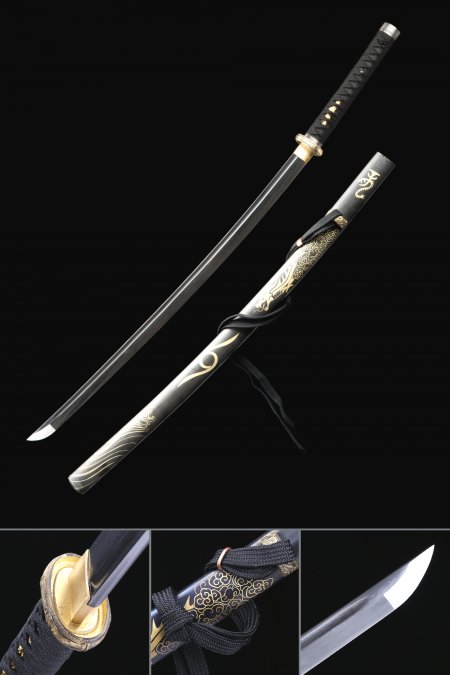
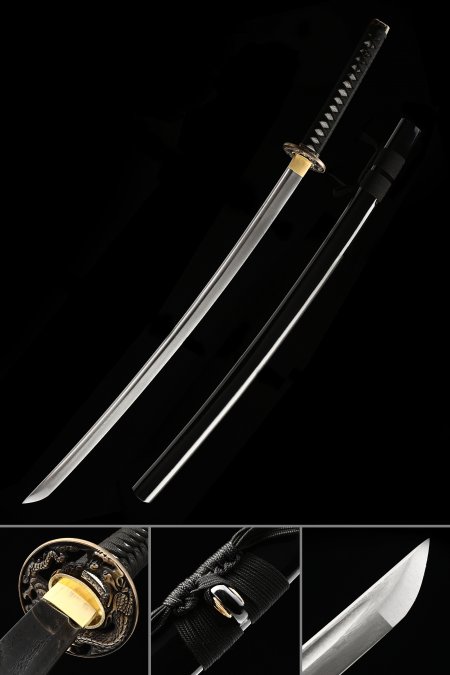
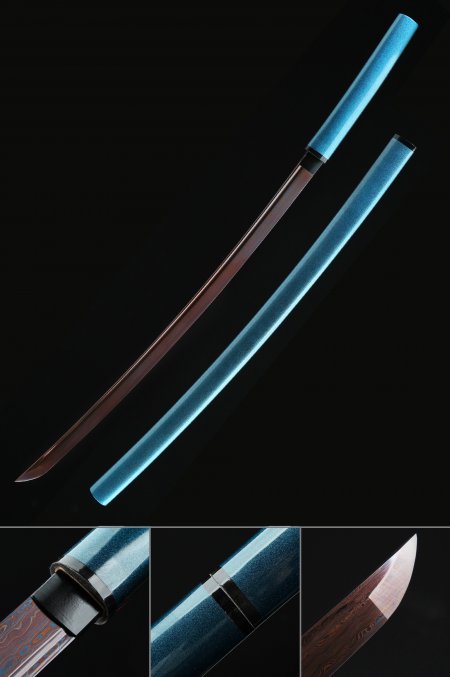
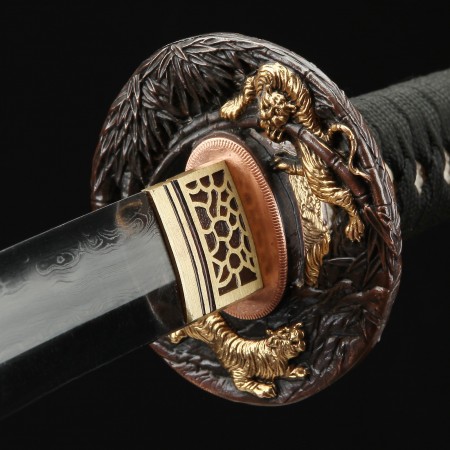
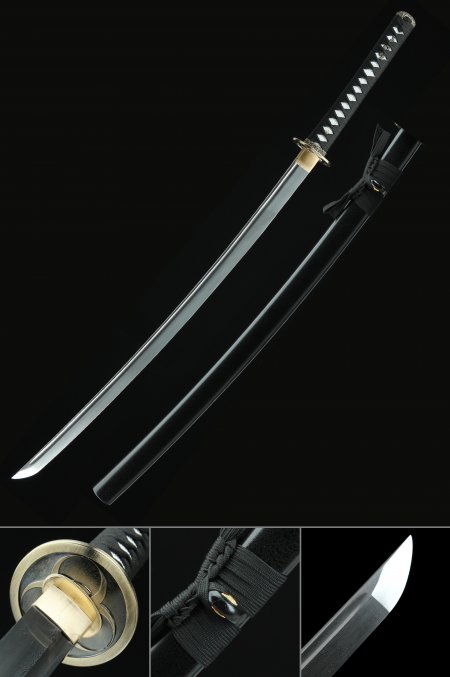
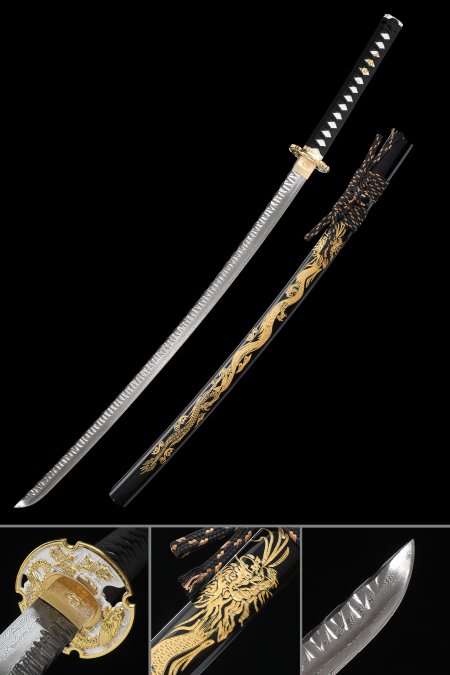
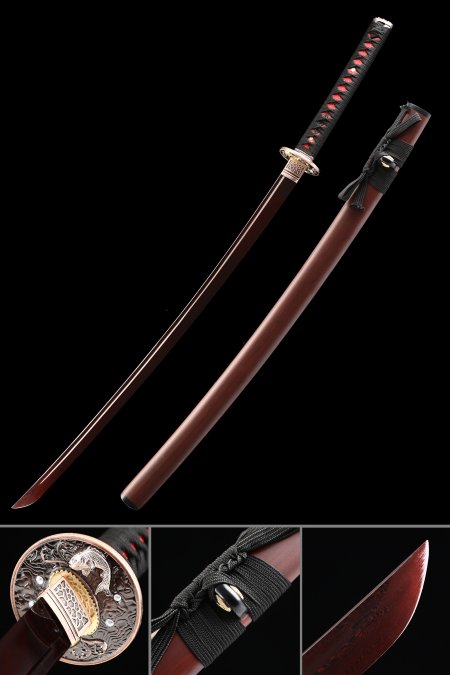
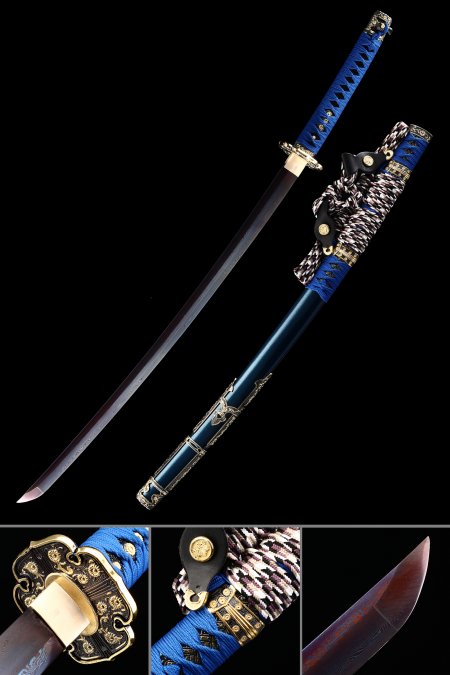
An original Japanese katana is defined by a specific set of construction standards that have been consistent in Japanese sword-making tradition across the centuries. The blade must be forged from high-carbon steel - 1045, 1060, 1065, T10, Damascus, or similar quality grades - and properly heat treated to achieve genuine blade hardness, typically in the Rockwell 55-60 HRC range. Full-tang construction means the blade steel runs from the kissaki tip through the complete handle body, with mekugi retention pins confirming structural integrity. The handle must be wrapped in genuine ito cord over a samegawa ray skin foundation - this traditional handle construction provides both grip security and the tactile confirmation of authentic construction standards. The tsuba guard must be properly fitted at the habaki-kissaki boundary, with habaki blade collar securing the blade-to-scabbard relationship. The scabbard should be lacquered wood that properly houses the blade without rattling or excessive tightness. All original Japanese katana in this collection meet these standards.