What display options work for a samurai naginata in a sword collection?
Updated Feb 2026
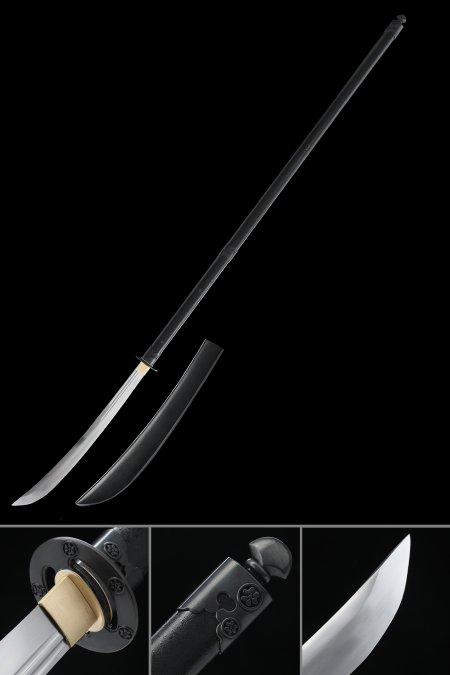
Displaying a samurai naginata requires planning for its extended total length, which is significantly greater than any katana or wakizashi in the same collection. Floor-standing sword racks designed to accommodate polearm lengths are the most practical display solution for naginata: a dedicated floor rack positions the naginata vertically or at an angle that shows the full blade and pole combination. Some collectors prefer a horizontal wall mount using extended brackets that can support the full naginata length horizontally - this presentation shows the blade curvature and the full profile of the blade-to-pole assembly simultaneously. The naginata's extended format means it typically functions as a statement piece in the collection rather than one piece among many: its physical presence commands significant display space and attention relative to the katana and other Japanese swords alongside it. In terms of display context, a naginata is most effectively displayed alongside katana and wakizashi pieces that represent the same Japanese sword tradition, where the naginata's distinctive format creates visual contrast with the shorter blade forms while remaining within the same cultural and aesthetic framework.