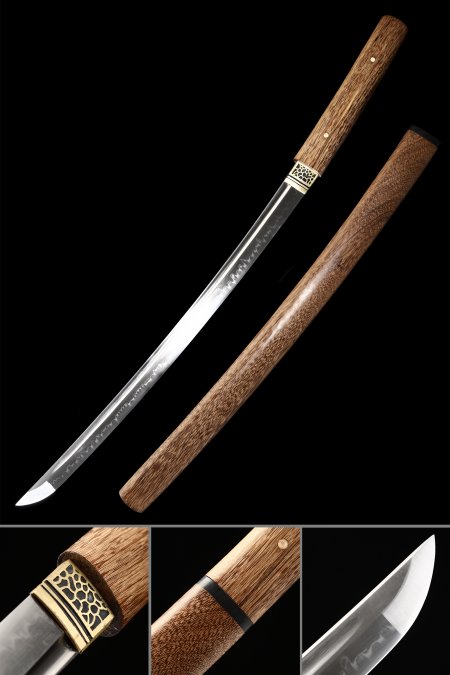
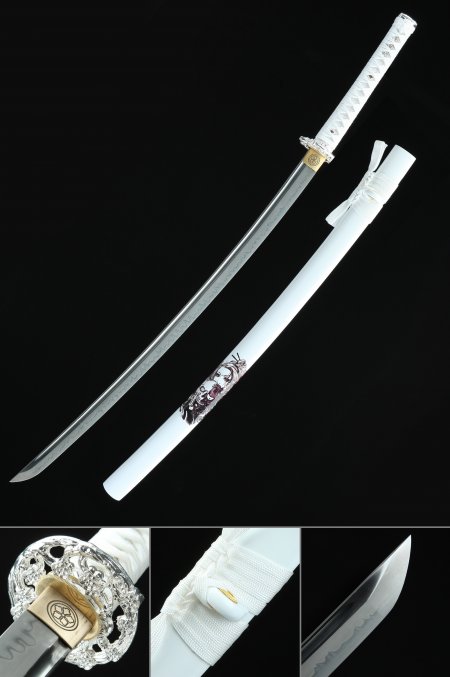
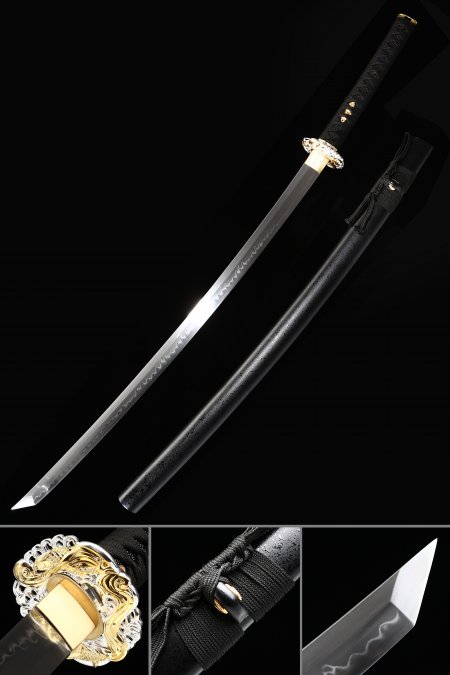
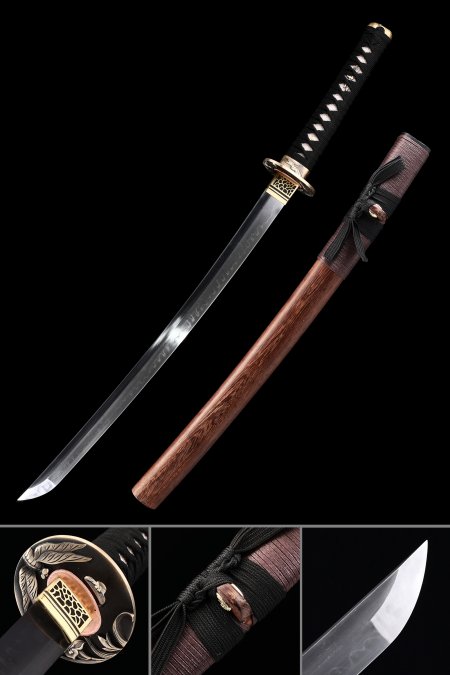
How do I examine and appreciate the hamon on a folding katana?
Updated Feb 2026
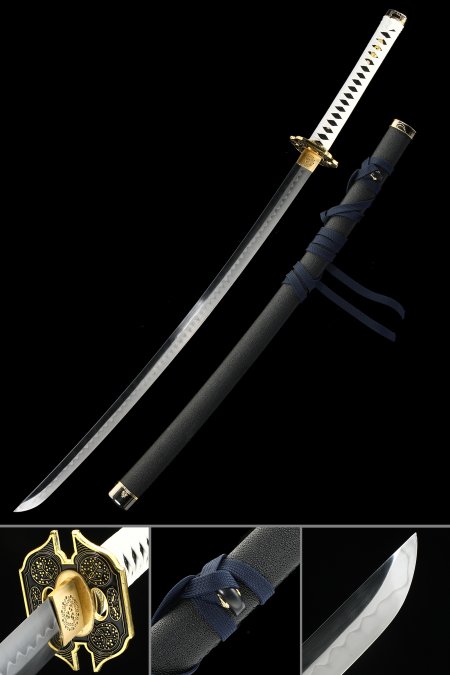
Examining and appreciating the hamon on a folding katana requires specific lighting conditions that reveal the temper line's full character and detail. The most effective examination method is to hold the blade horizontally and tilt it slightly while directing a concentrated light source - a desk lamp or flashlight - along the blade flat from the spine side at a low angle. As the blade tilts, the hamon will appear as a white or misty zone along the lower blade section, with the nie activity - fine bright crystalline particles - and nioi activity - the misty or cloudy zone - becoming visible within and around the hamon boundary. Under this raking light examination, details that are invisible in overhead lighting become apparent: the specific wave pattern of the hamon, projections and inlets in the boundary line, and the activity within the hamon zone itself. A magnifying glass or loupe increases the visibility of nie and nioi activity significantly. The hamon examination technique is one of the most rewarding aspects of T10 clay-tempered katana collecting.