What should I look for when examining an authentic samurai katana's construction?
Updated Feb 2026
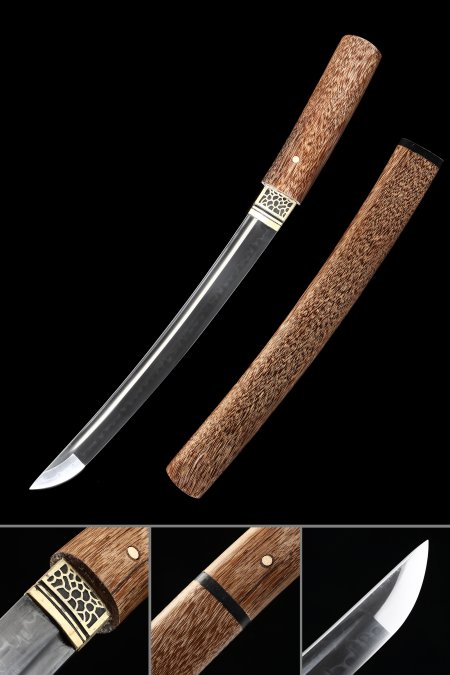
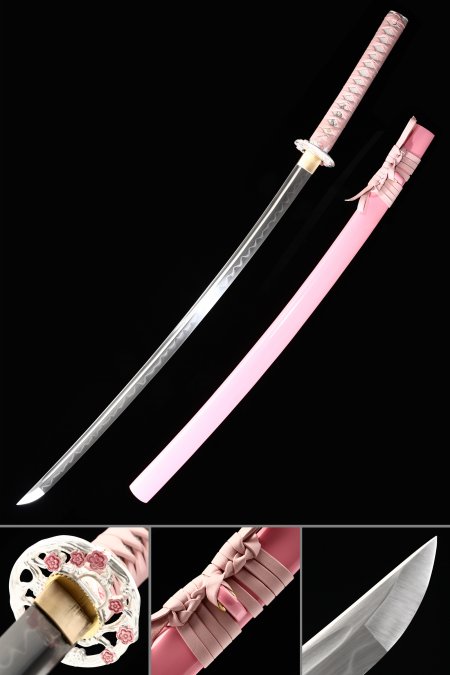
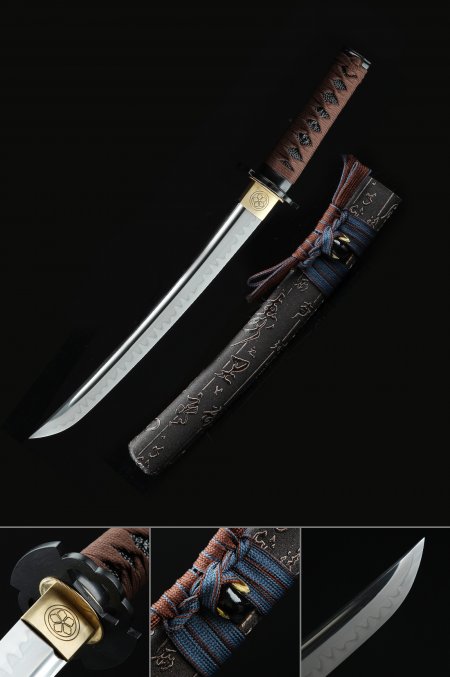
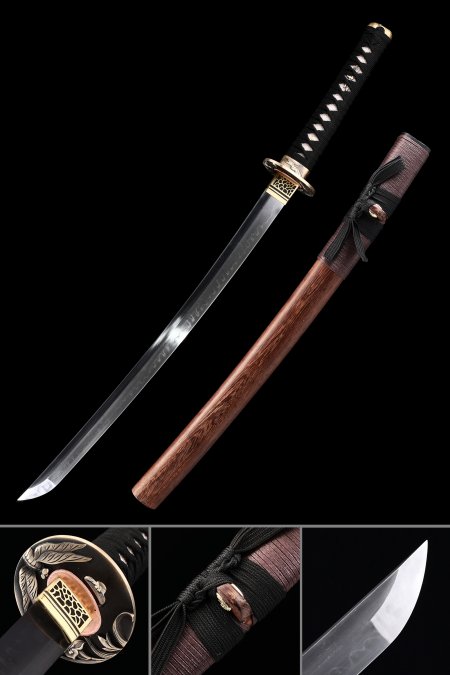
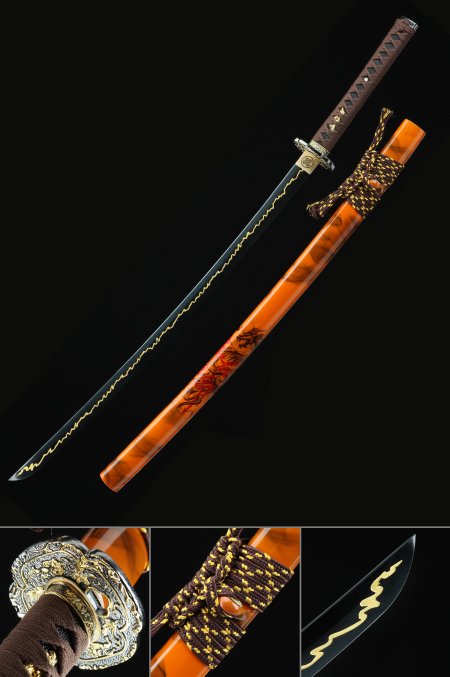
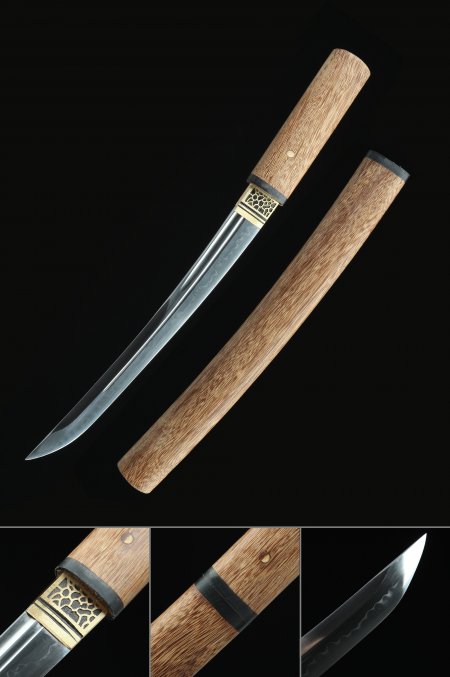
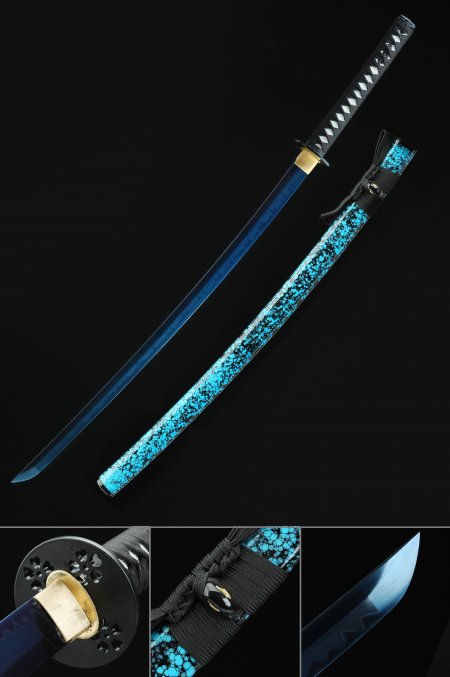
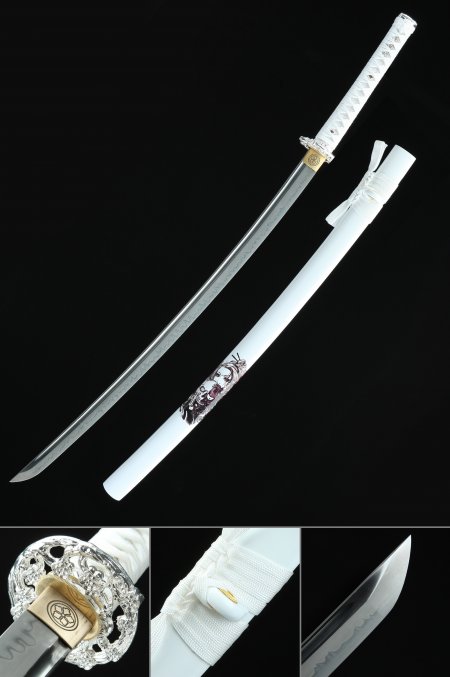
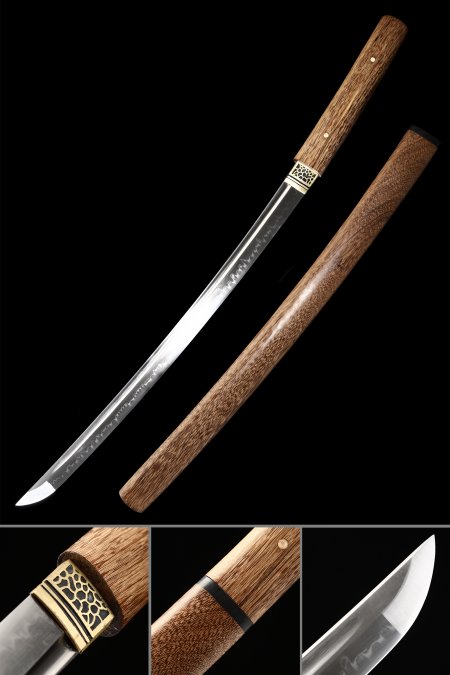
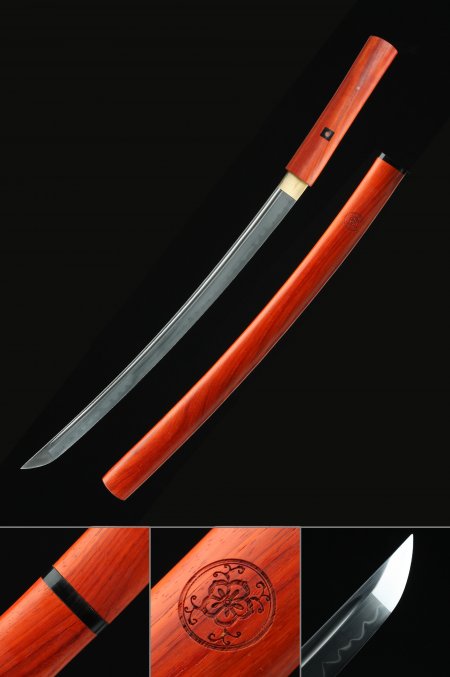
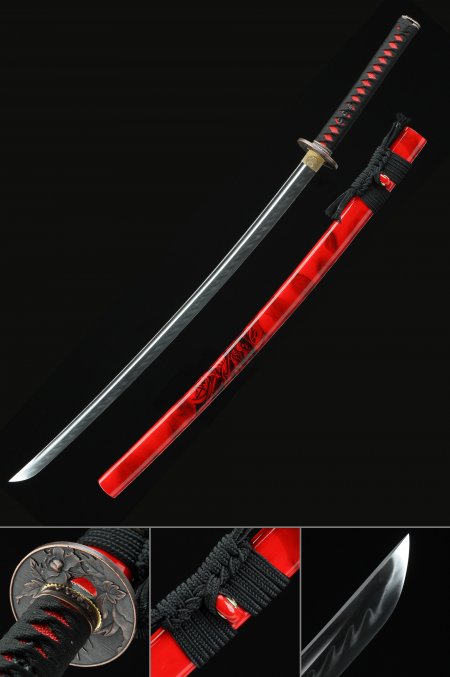
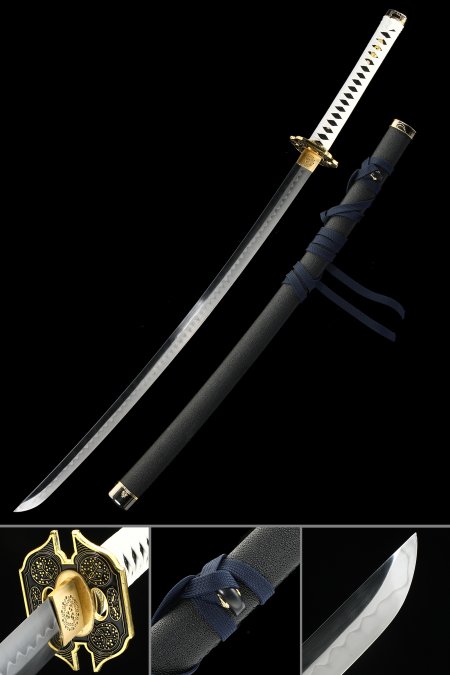
Examining an authentic samurai katana's construction quality involves assessing several key components. The blade should be forged from a named high-carbon steel grade - T10, 1060, or 1045 carbon steel are the appropriate grades for a genuine collectible. On a T10 clay-tempered piece, a visible hamon running along the blade length confirms proper differential heat treatment. The habaki blade collar should fit tightly at the base of the blade, preventing play between the blade and scabbard. The tsuba guard should be made from solid metal - iron, brass, or copper - with a proper seppa backing that fits snugly against the habaki. The handle should show genuine samegawa ray skin texture beneath the ito wrapping, with the wrapping itself applied in a proper diamond pattern. Mekugi retention pins should pass through the handle and be visible as tight-fitting wooden or bamboo pins. The scabbard should slide smoothly onto the blade with a satisfying click as the habaki seats, and should release cleanly with a controlled draw.