How does clay tempering affect the quality of an authentic samurai katana?
Updated Feb 2026
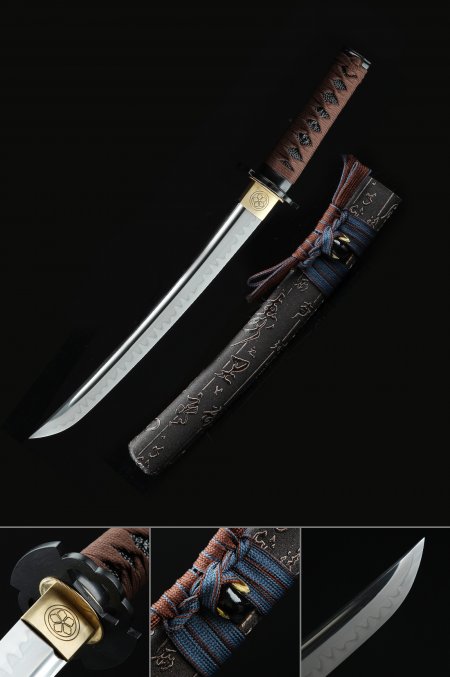
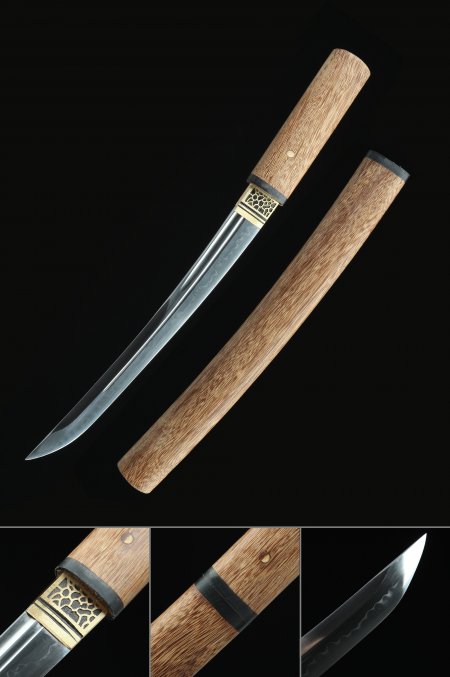
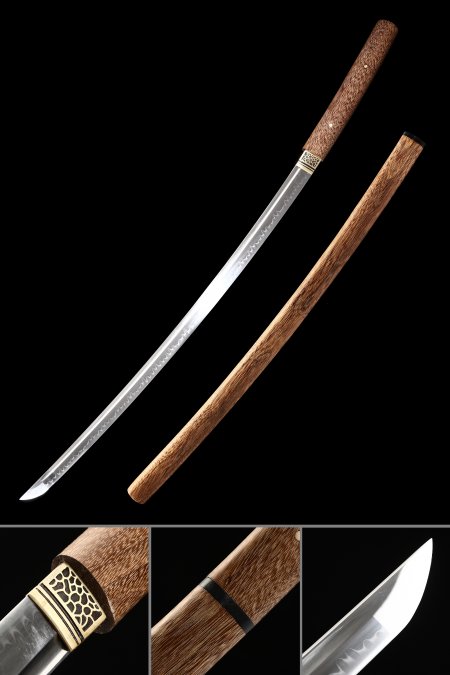
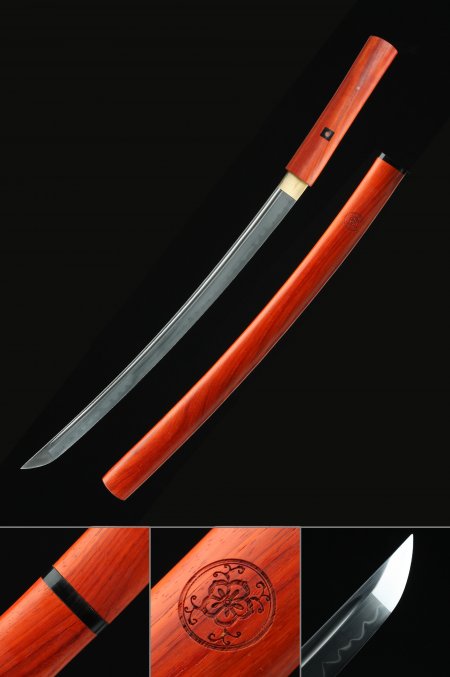
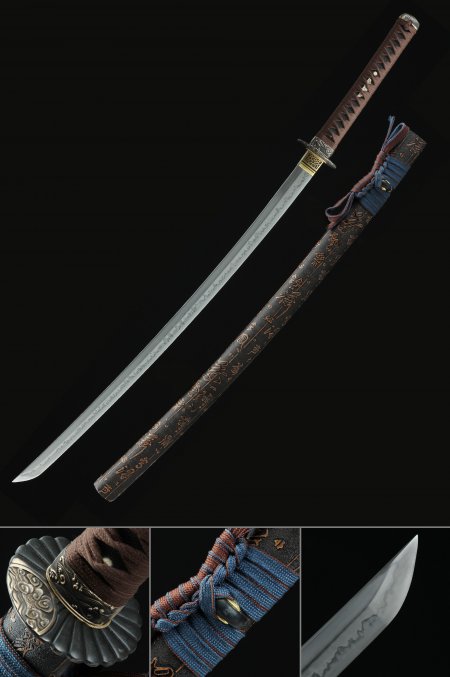
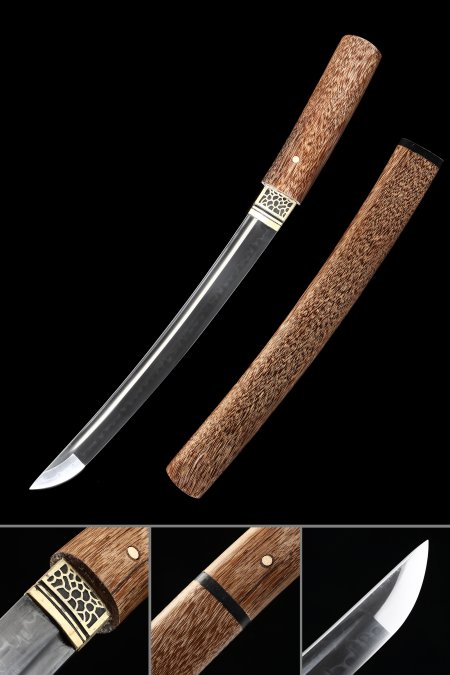
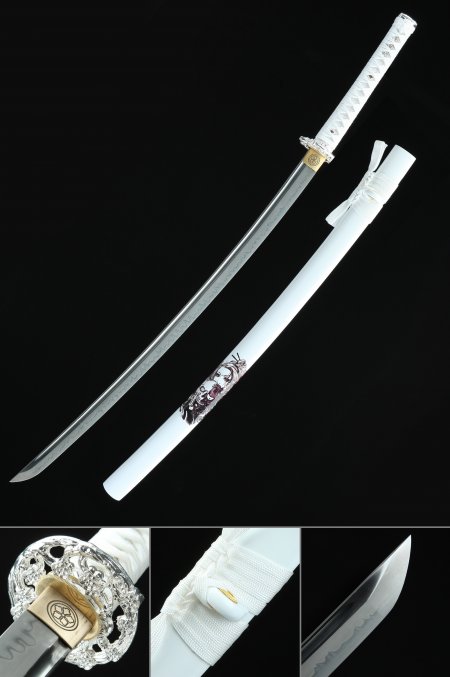
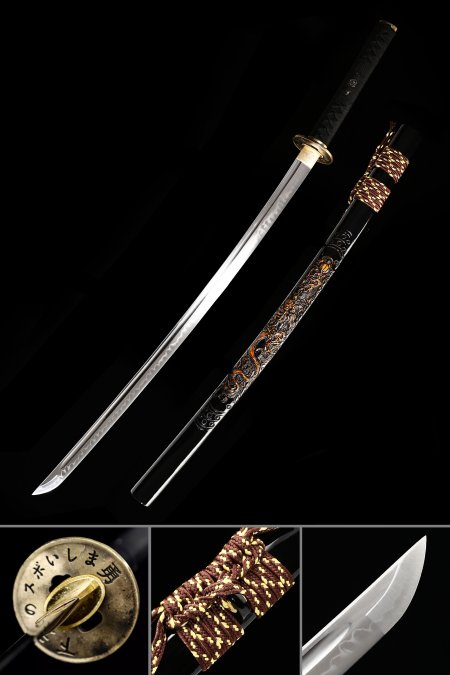
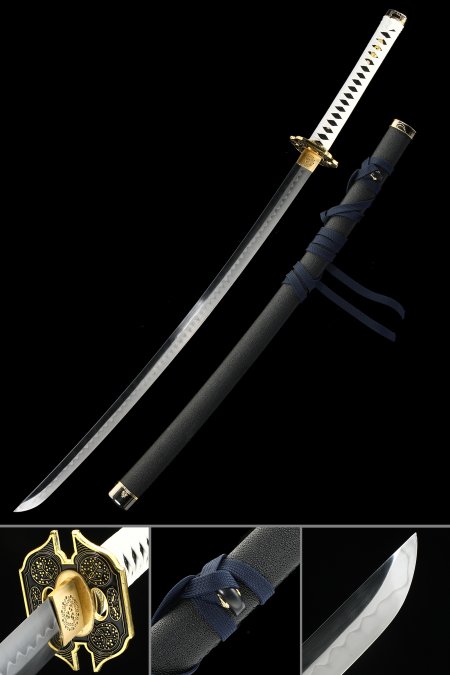
Clay tempering is the construction technique that creates the hamon - the visible temper line that is the most distinctive feature of a classically constructed Japanese katana. The process involves applying a clay mixture to the blade before the final heat treatment, with the clay coating thicker on the spine than on the edge. During quenching, the uncoated edge cools rapidly and hardens to high hardness, while the clay-coated spine cools more slowly and remains relatively tougher and more flexible. This differential hardness across the blade cross-section creates the physical properties that made the samurai katana remarkable: a very hard, keen edge capable of maintaining sharpness through repeated use, combined with a tough, resilient spine that absorbs impact without breaking. The boundary between the hardened edge zone and the tougher spine zone is visible as the hamon temper line - a white or misty zone that runs along the blade length in patterns that vary by the specific clay application technique. T10 carbon steel is the grade most commonly used for clay-tempered authentic samurai katana because its fine grain structure and composition produce the most clearly defined hamon.