What distinguishes an authentic Japanese katana from a standard katana replica?
Updated Feb 2026
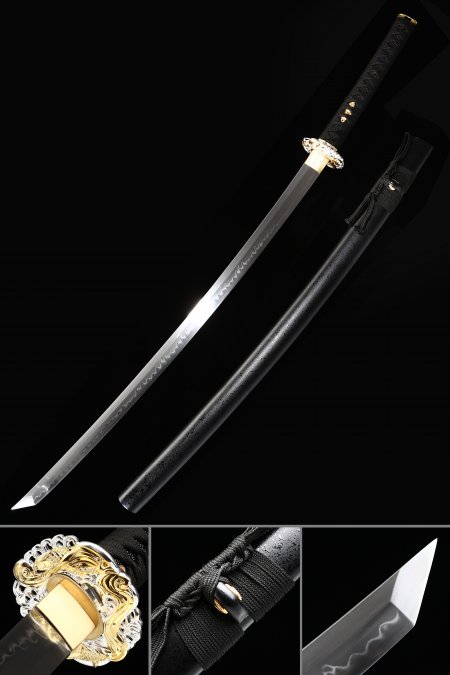
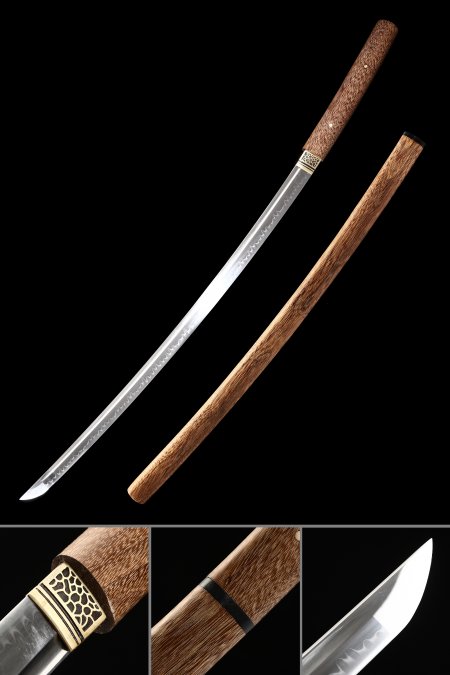
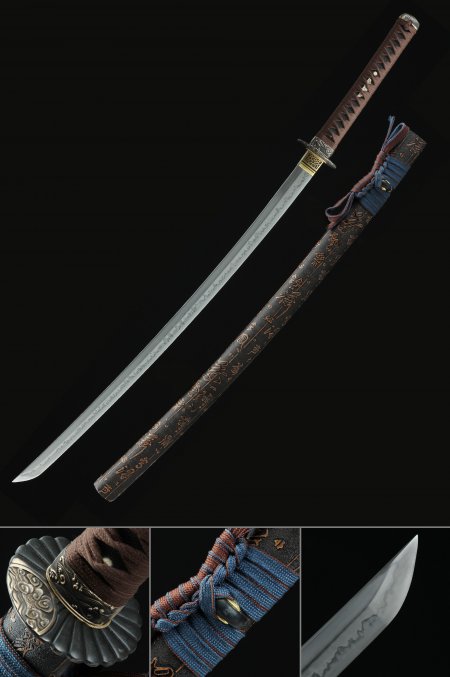
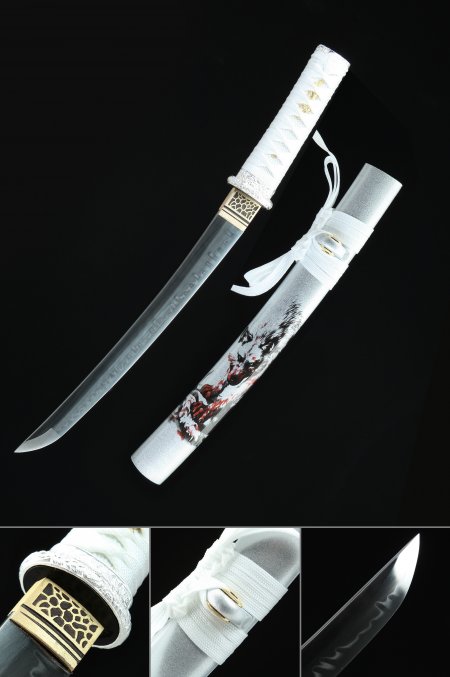
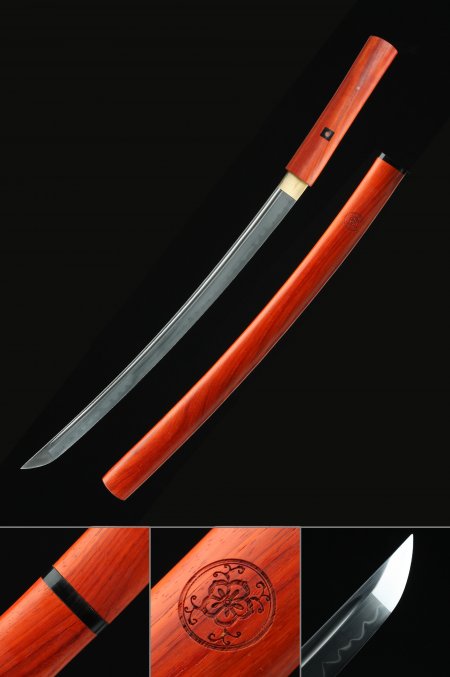
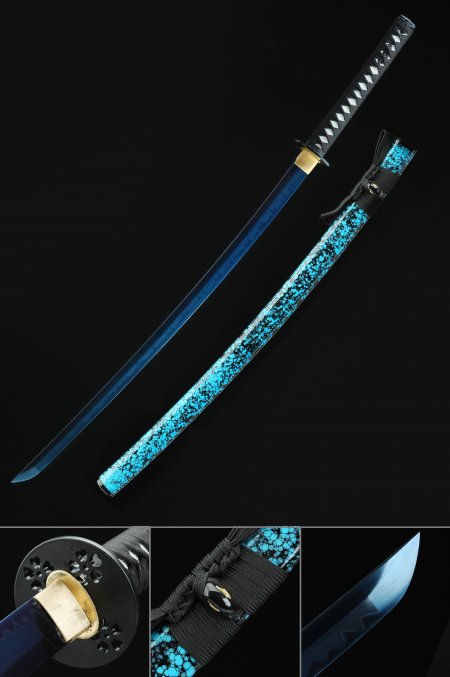
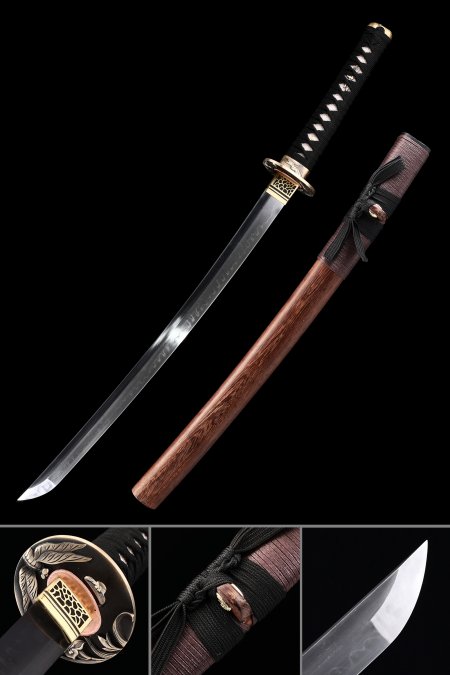
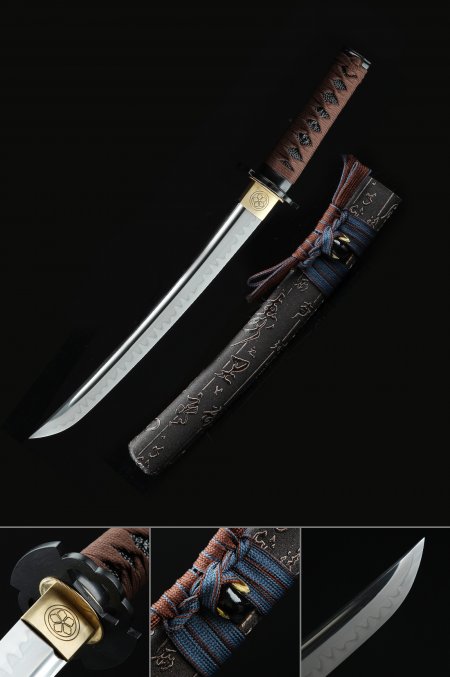
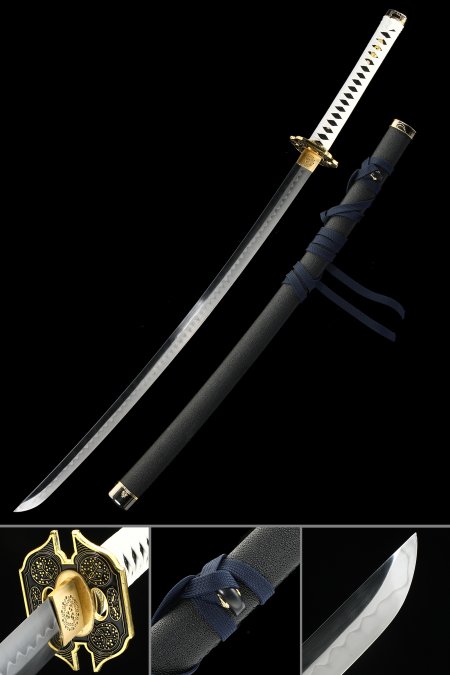
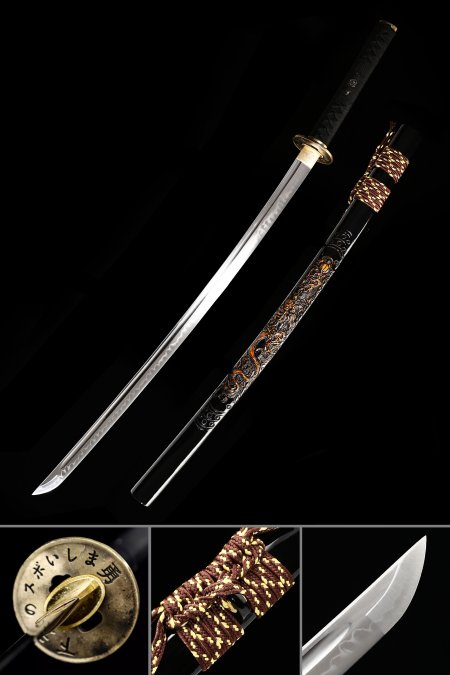
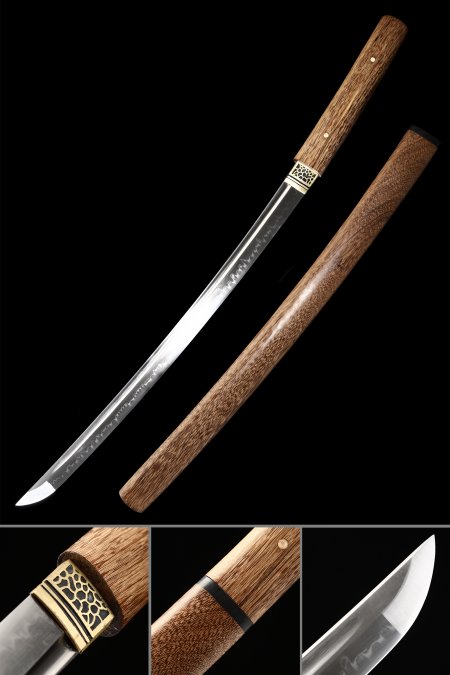
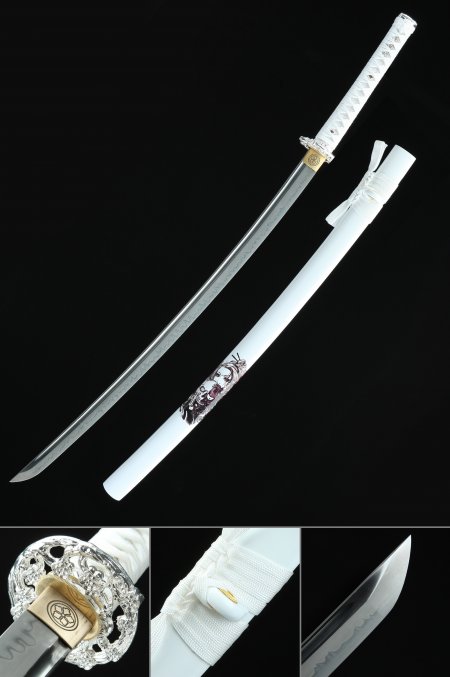
An authentic Japanese katana differs from a standard katana replica in the completeness and quality of its construction across all components. The blade must be forged from high-carbon steel - T10, 1060, or 1045 carbon steel grades - with proper heat treatment that achieves genuine blade hardness. A T10 clay-tempered authentic katana will show a visible hamon temper line, the most traditional marker of a properly heat-treated Japanese blade. The handle assembly on an authentic katana uses genuine samegawa ray skin under the ito wrapping, creating the traditional textured grip that distinguishes a genuine katana handle from simplified versions that use imitation materials. Full-tang construction with mekugi retention pins ensures structural integrity throughout the piece. The tsuba guard, fuchi-kashira fittings, and habaki blade collar should all be properly fitted metal components rather than decorative elements. The wooden scabbard with lacquer finish completes the traditional construction standard.