How do ancient Chinese sword forms compare to Japanese samurai swords visually?
Updated Feb 2026
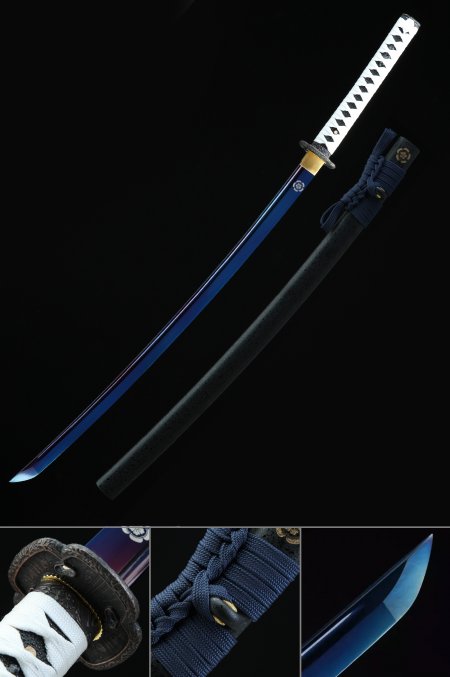
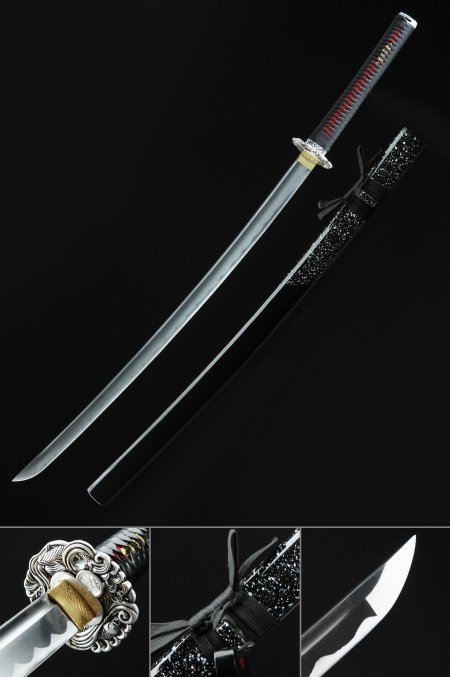
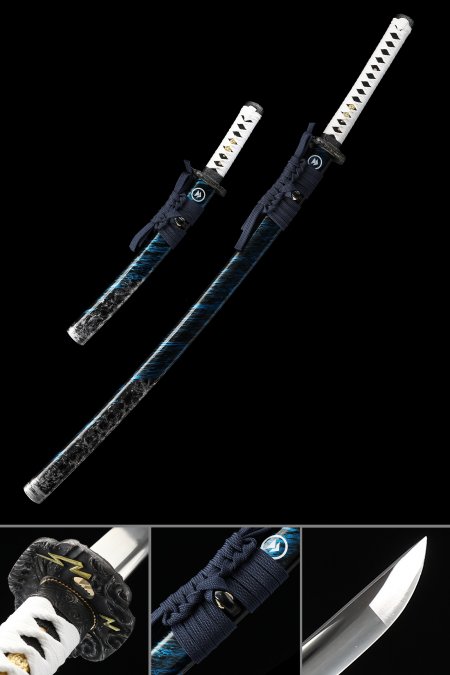
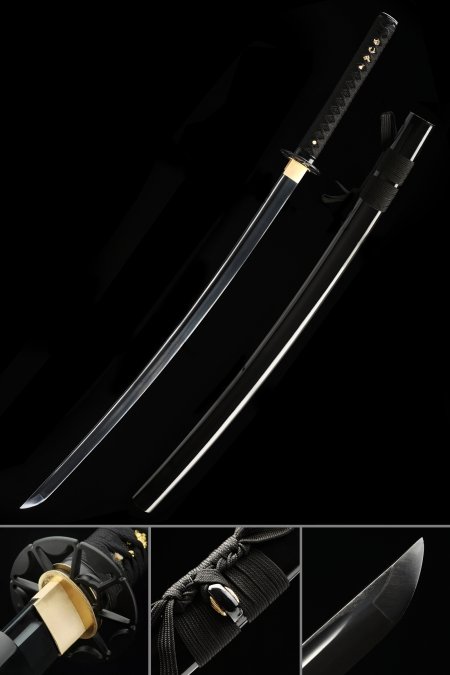
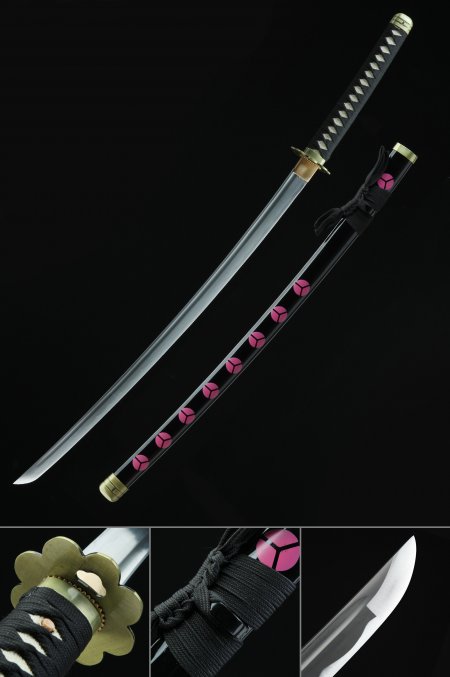
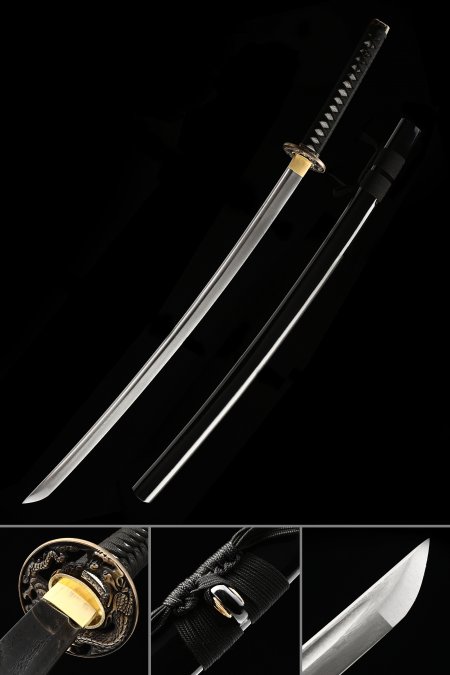
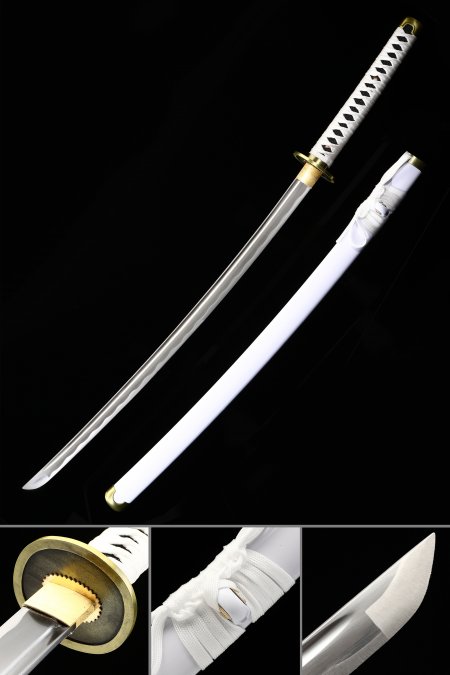
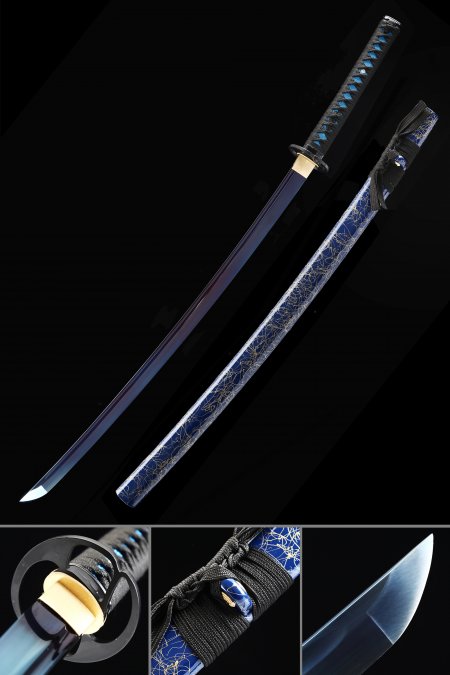
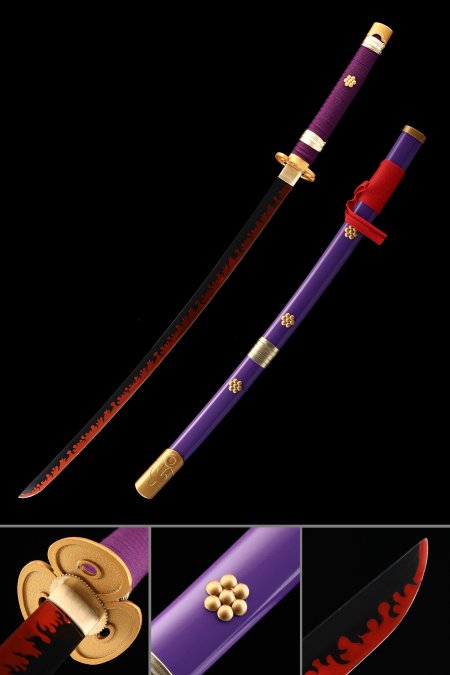
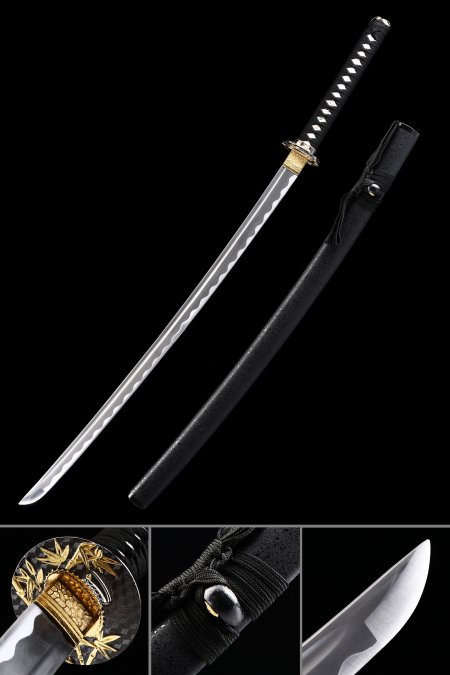
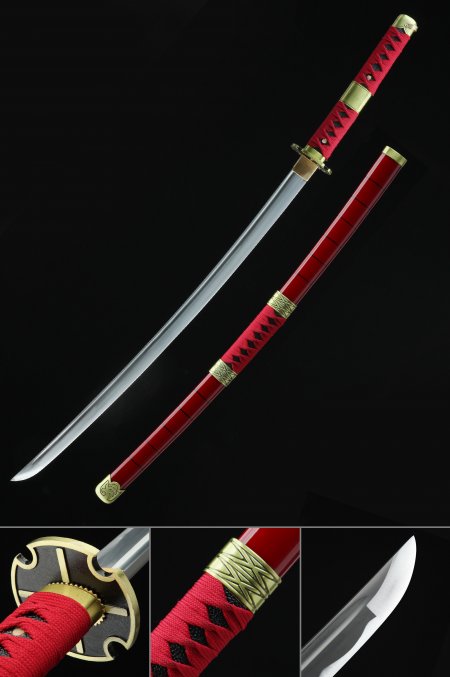
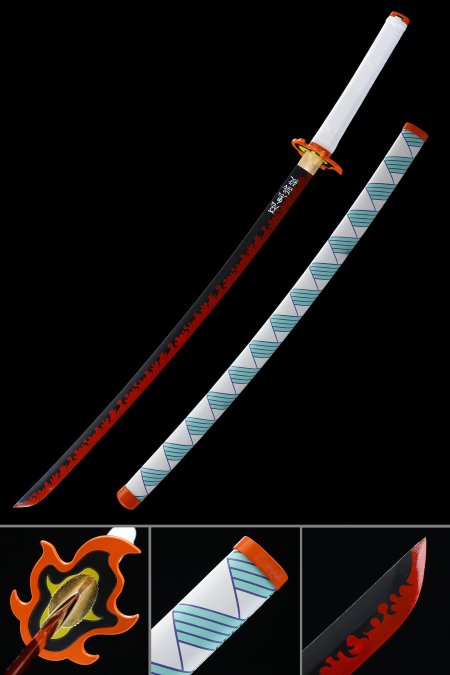
Ancient Chinese sword forms and Japanese samurai swords are visually related but distinctly different in ways that make them immediately identifiable as separate traditions even to viewers without specialized knowledge. The Chinese jian straight sword has no Japanese counterpart in the katana tradition - its double-edged straight profile with symmetrical blade geometry is unique to the Chinese tradition and has no parallel in the standard Japanese sword canon. The Chinese dao curved single-edged saber shares the basic single-edge-curved-blade concept with the Japanese katana, but the dao's typically broader blade profile, ring pommel, and disc or oval guard create an immediately different silhouette. Japanese katana fittings - the tsuba guard, ito-wrapped handle, and lacquered scabbard - are distinctly Japanese in their specific forms and proportions, creating a fitting aesthetic immediately recognizable as Japanese even to viewers who cannot name the individual components. Displayed together, Chinese and Japanese swords create a visual conversation between related but distinct traditions that enriches both.