How do I display a collection of saber swords from different cultural traditions?
Updated Feb 2026
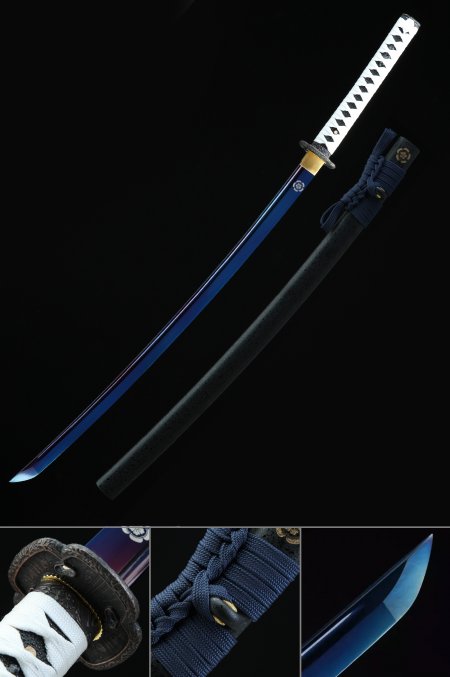
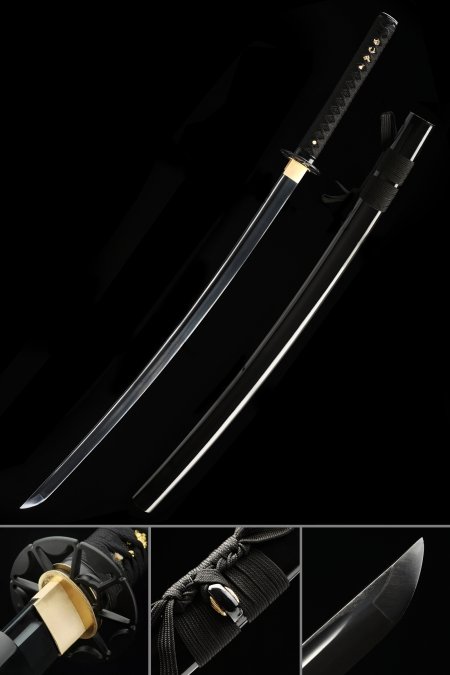
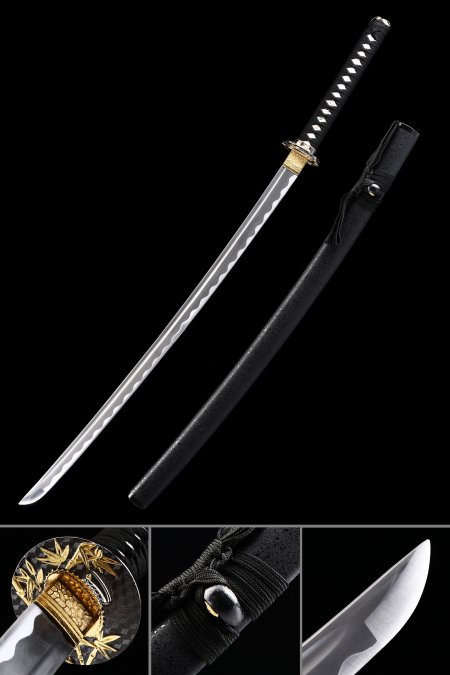
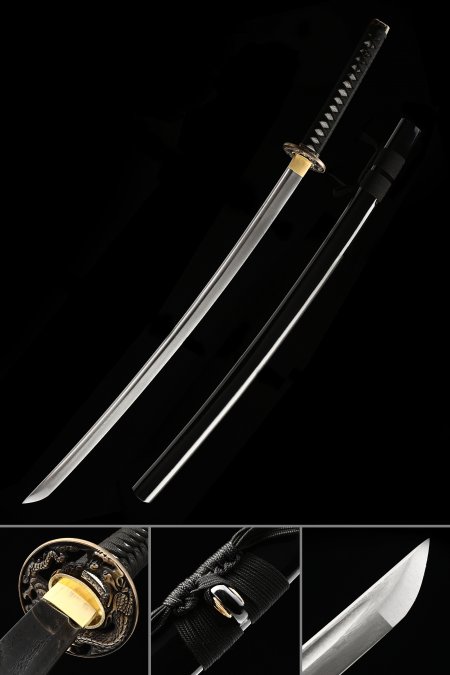
Displaying saber swords from different cultural traditions - Japanese katana alongside Chinese dao, for example - creates a thematic display organized around the shared saber concept rather than a single cultural tradition. The most effective approach for a multi-cultural saber display is to position pieces so each sword's distinctive profile is clearly readable from the room's main viewing angle. The katana's elegant distributed curve and the dao's more pronounced tip curve create visible geometric differences that are informative when positioned side by side for direct comparison. Standard horizontal wall bracket hardware accommodates both katana and dao-length sabers without requiring different mounting systems, though the dao's ring pommel creates a slightly different weight distribution that should be accounted for in bracket positioning. Consistent lighting across all pieces ensures that neither cultural tradition's swords are more visually favored than the others. For a visitor unfamiliar with sword collecting, labels or minimal descriptive notes explaining the cultural origin and historical period of each tradition can transform a personal collection into a genuinely educational display of comparative sword history.