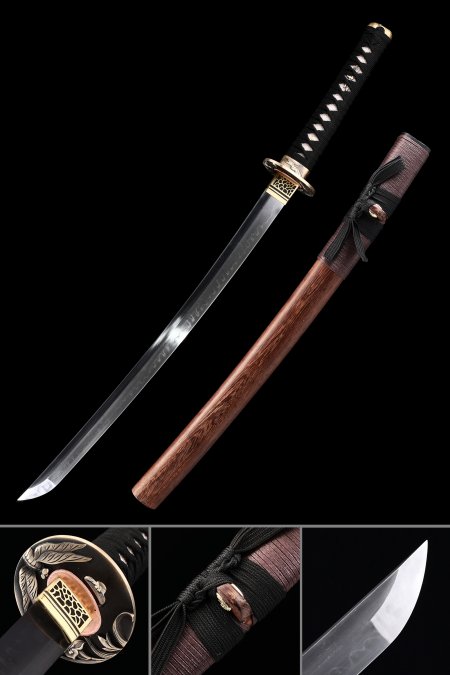
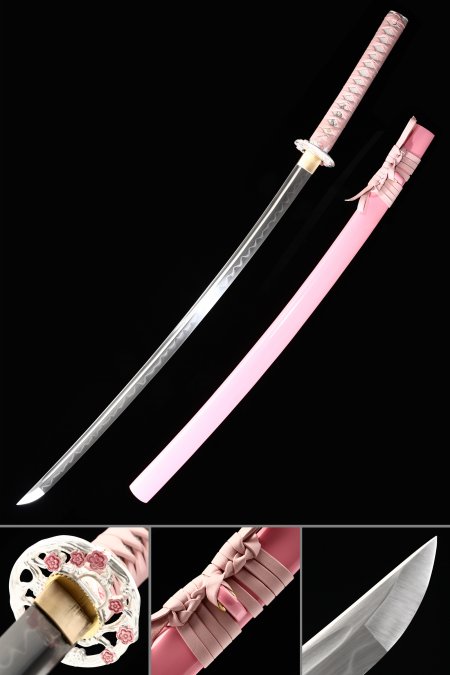
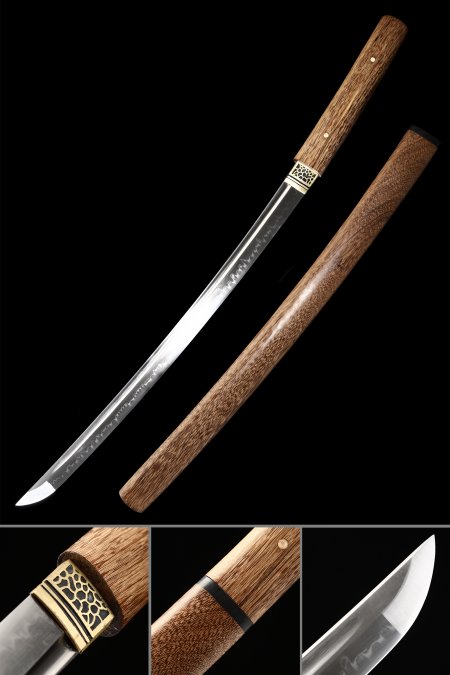
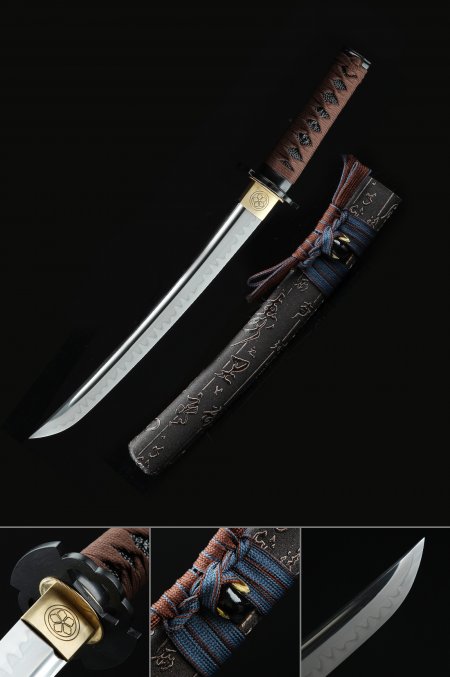
How does the hamon appear on a straight-blade T10 ninja sword compared to a curved katana?
Updated Feb 2026
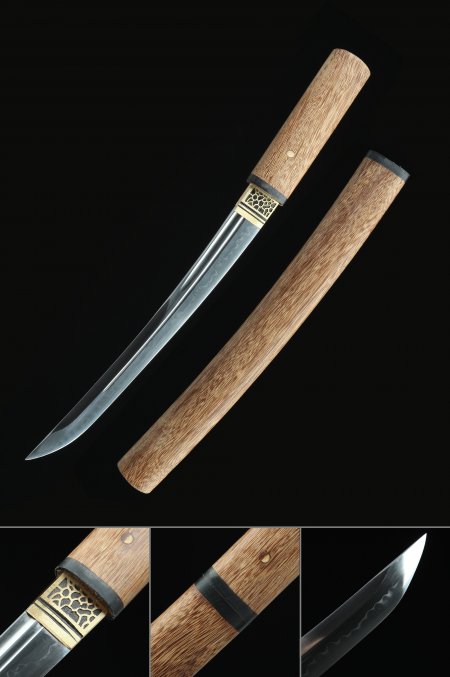
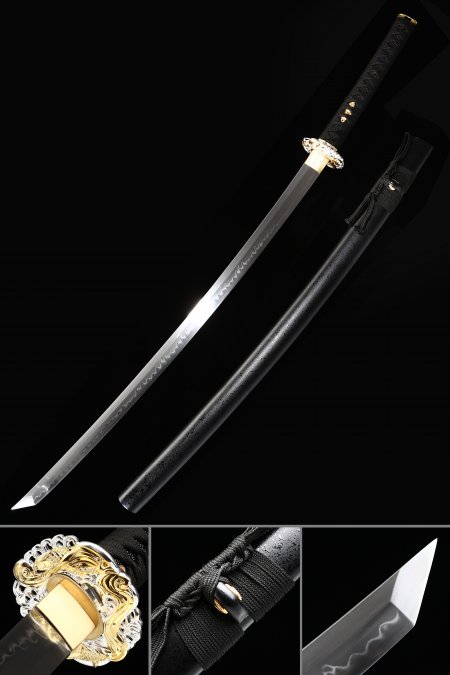
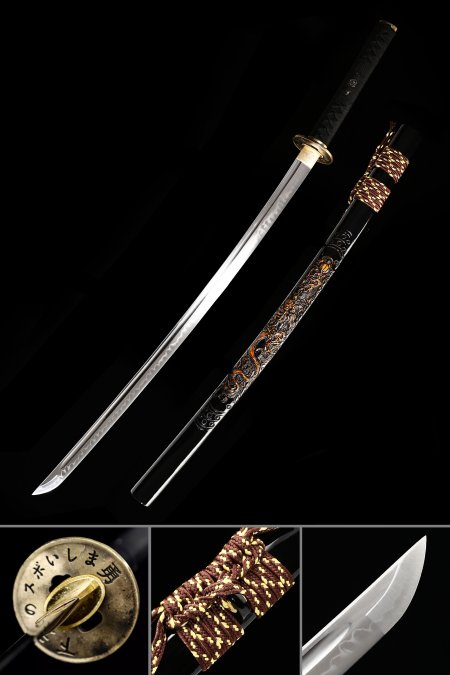
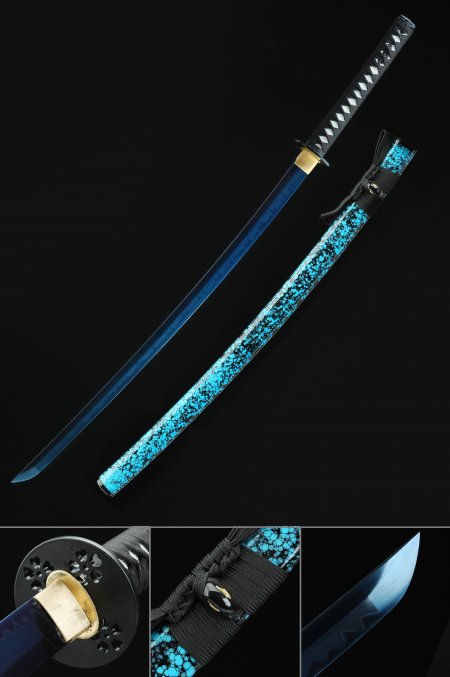
The hamon on a straight-blade T10 ninja sword and on a curved katana have the same fundamental formation process - clay-tempered differential heat treatment creates the boundary between harder edge and tougher spine - but the straight blade geometry creates a visually distinct presentation of the hamon. On a curved katana, the hamon follows the blade's sori curve from habaki to kissaki, and the interplay between the hamon's wave pattern and the blade's curve creates a flowing visual rhythm that is enhanced by the organic movement of the curved profile. On a straight ninjato blade, the hamon runs along the straight edge as a more linear feature - the wave pattern of the temper boundary is visible, but against the absolute straight geometry of the blade edge rather than against a curve. This creates a different visual character: the hamon on a straight blade has a more precise, direct quality that some collectors find a compelling alternative to the flowing hamon of a curved katana. The straight blade also allows the full hamon length to be seen in a single view without the perspective foreshortening that the katana's curve creates.