What makes a T10 wakizashi different from a standard carbon steel wakizashi?
Updated Feb 2026
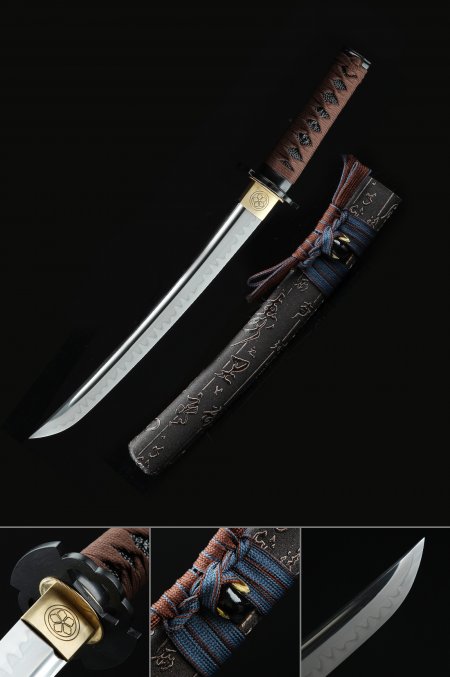
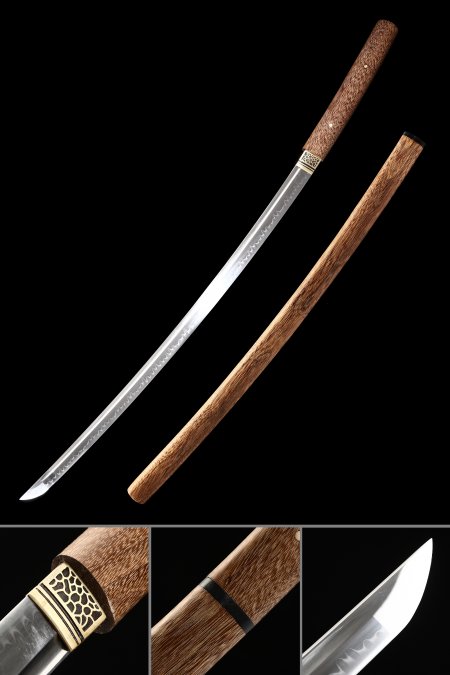
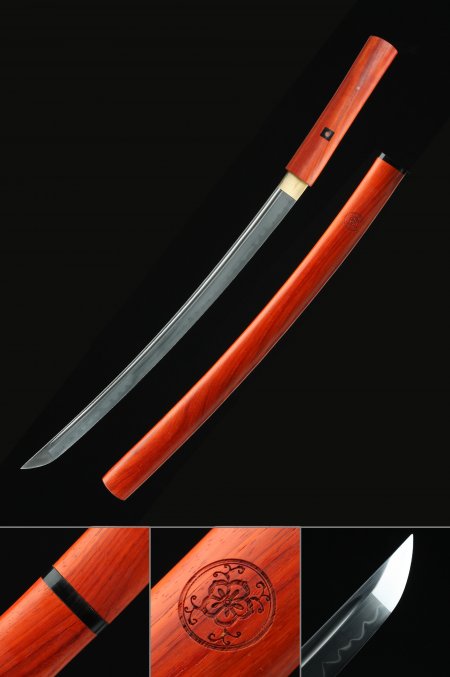
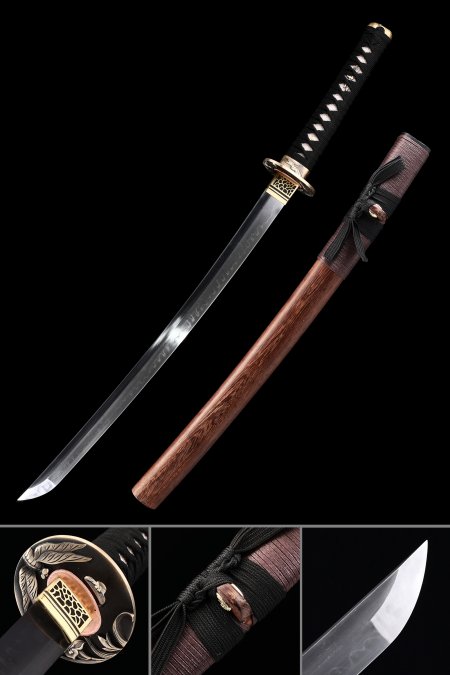
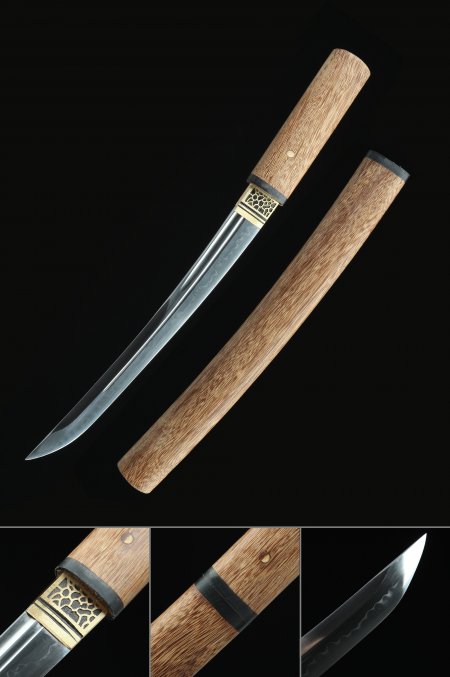
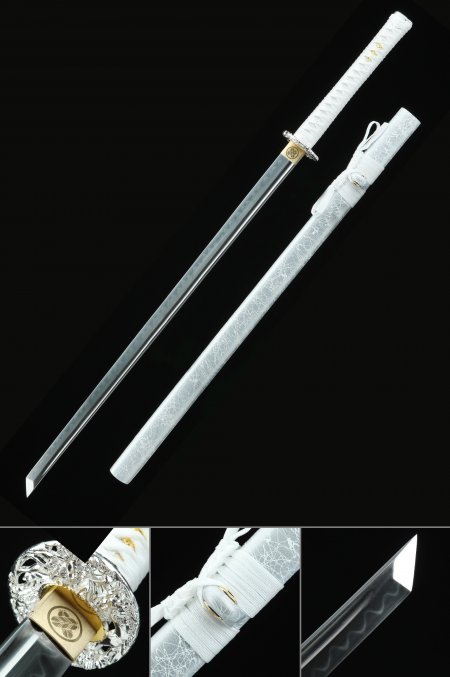
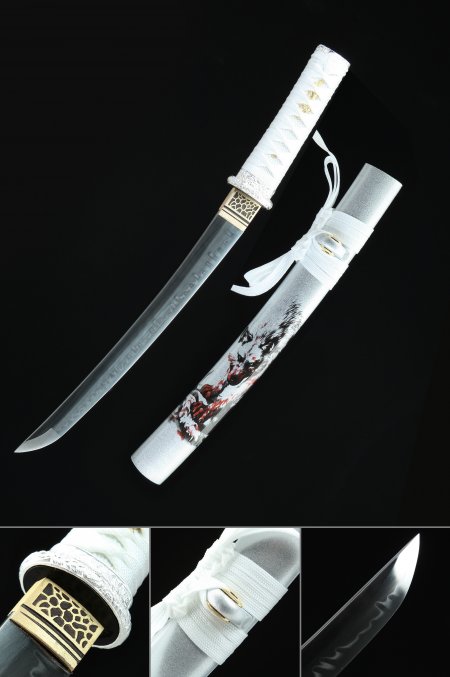
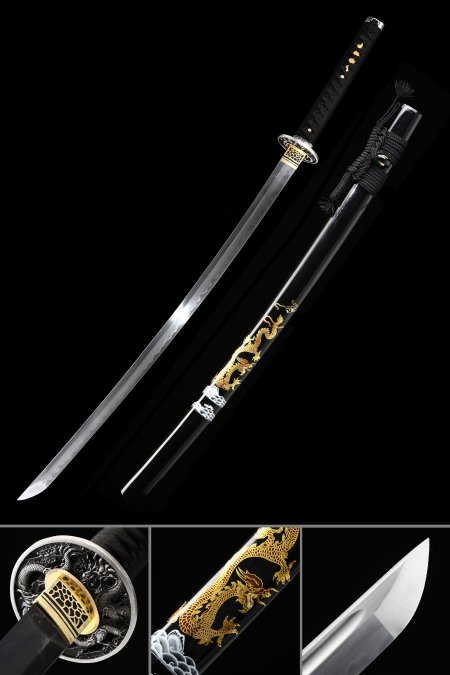
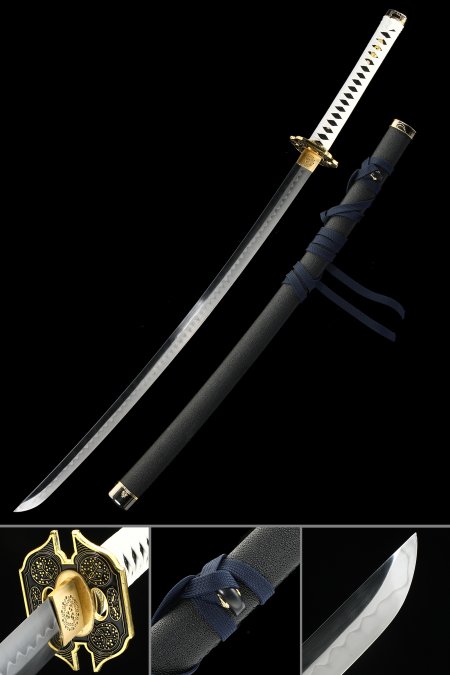
A T10 wakizashi and a standard 1045 carbon steel wakizashi differ fundamentally in the quality and visual character of the blade itself. A standard 1045 wakizashi is a reliable full-tang collectible that provides the essential qualities of a Japanese companion blade at an accessible price, but its blade surface is typically uniform and does not display a distinctive hamon. A T10 wakizashi is built from a steel grade whose fine grain structure and high carbon content allow for clay-tempered differential heat treatment - the process of applying clay to the blade spine before quenching that creates differential hardness between edge and spine. This process produces the hamon: the wave-patterned temper line visible along the blade edge from kissaki to habaki. On a T10 wakizashi, the hamon is the defining visual feature of the blade, visible under directed light as a subtle but complex wave pattern that distinguishes this blade from any uniformly finished alternative. The hamon's presence confirms that the blade underwent the full clay-tempering process, not merely heat treatment without clay, making it a genuine indicator of premium blade craft.