What makes a broadsword visually different from a katana or jian in a display?
Updated Feb 2026
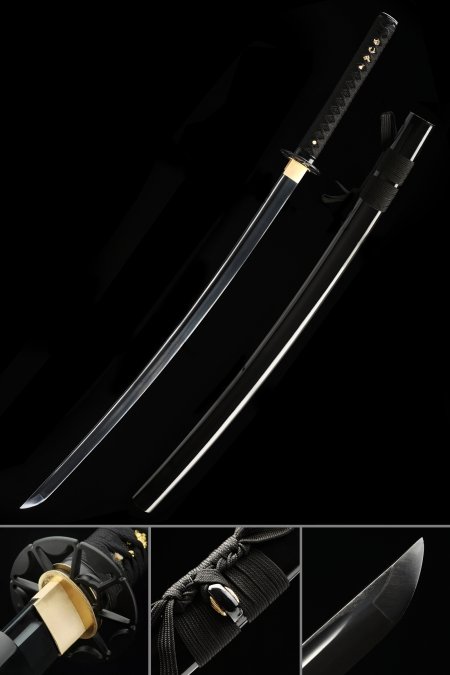
A broadsword creates a visually distinct impression from a katana or jian in a display through several fundamental differences in blade geometry and overall proportion. The most immediately apparent difference is blade width: a broadsword's blade is significantly wider than a katana's or jian's, creating a visual mass and substantiality that the more slender sword forms do not have. The widened blade profile often becomes more pronounced toward the tip - a characteristic of many dao forms that creates a weighted, forward-heavy visual impression very different from the katana's refined taper. The ring pommel that defines most Chinese broadsword forms is immediately visible from across the room and reads as a distinctly Chinese design element with no parallel in Japanese or European sword traditions. The dao's single-edged curved profile, while sharing the basic format of the katana, is more pronounced in its curve and broader in its overall proportions, creating a heavier and more powerful visual character. In a mixed display including katana, jian, and dao, the broadsword immediately stands out as the most visually massive piece, anchoring the arrangement with its weight and presence.