How does a full-tang Chinese jian compare to a Japanese katana as a collectible?
Updated Feb 2026
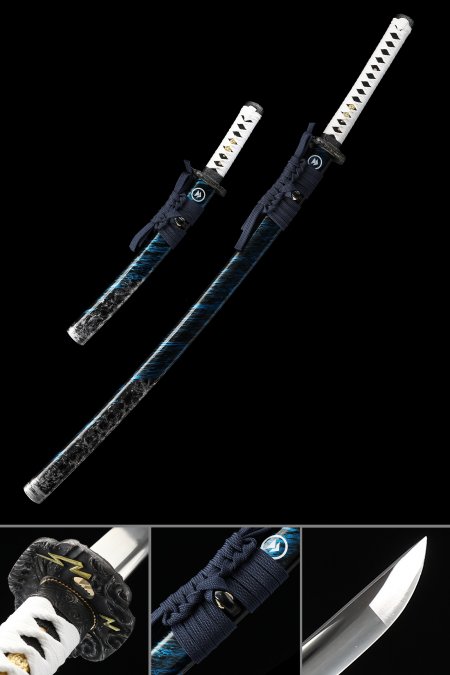
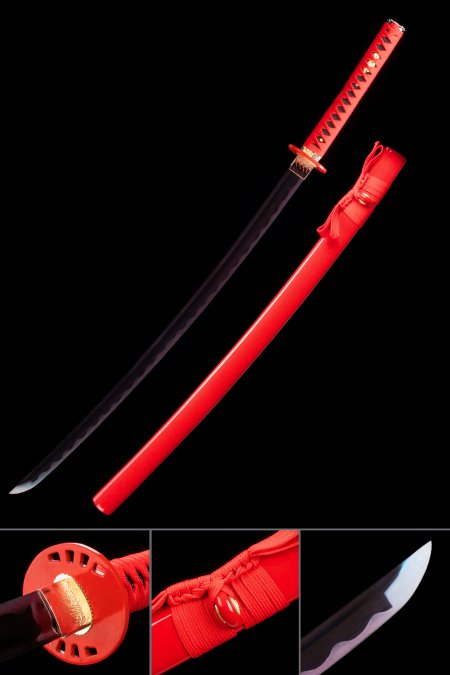
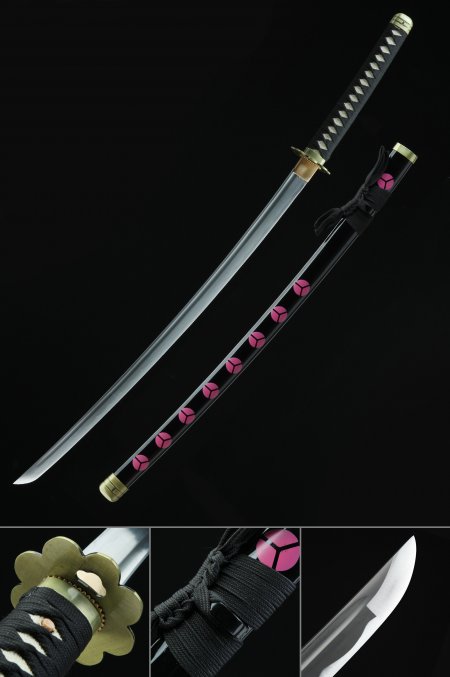
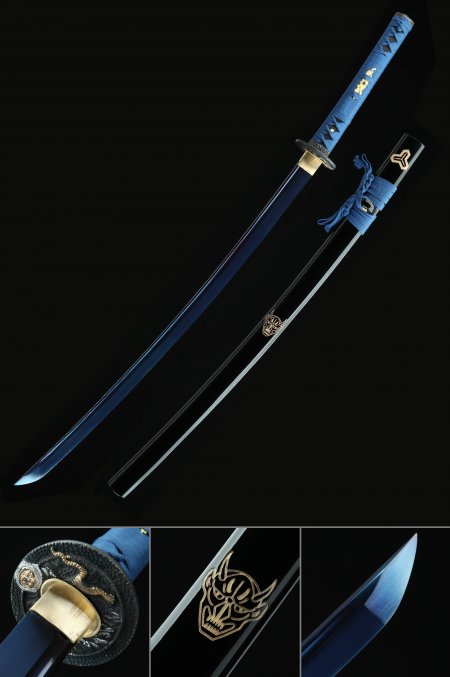
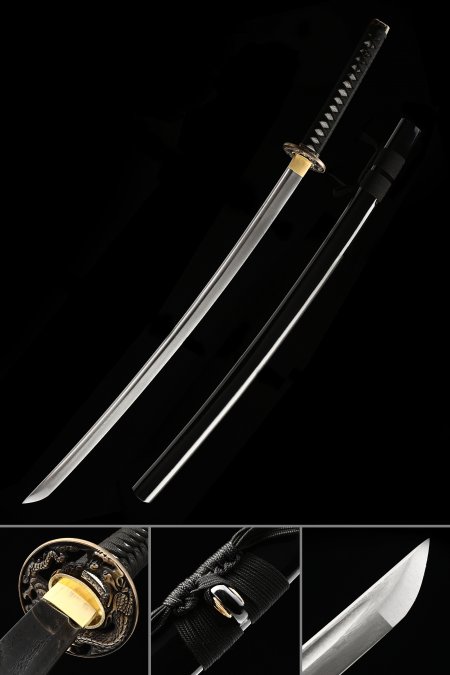
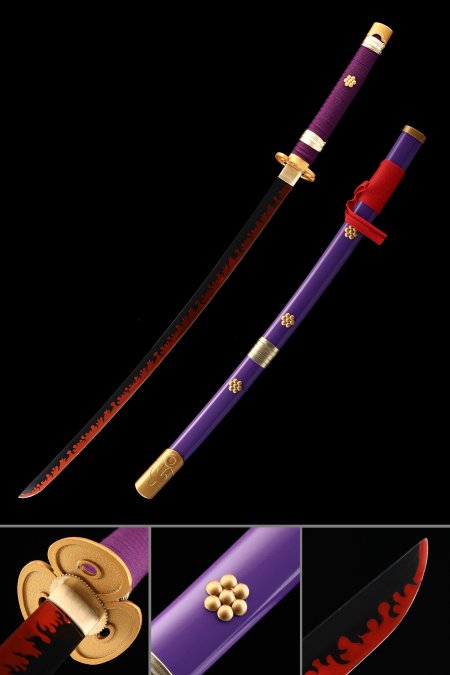
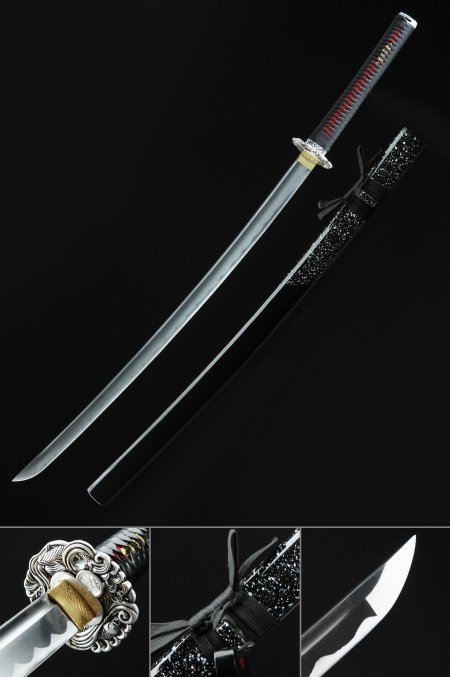
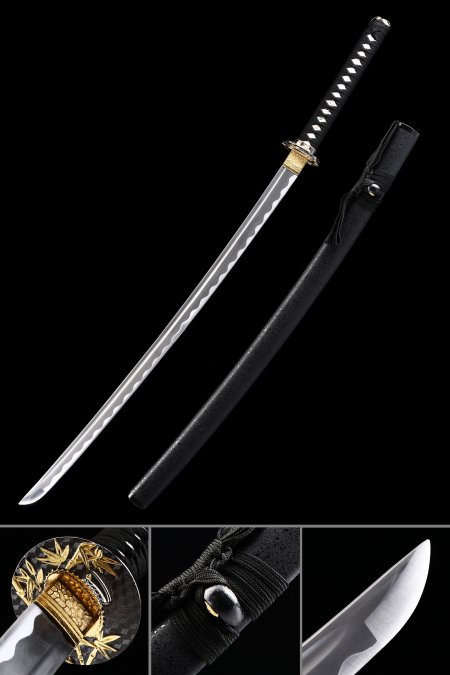
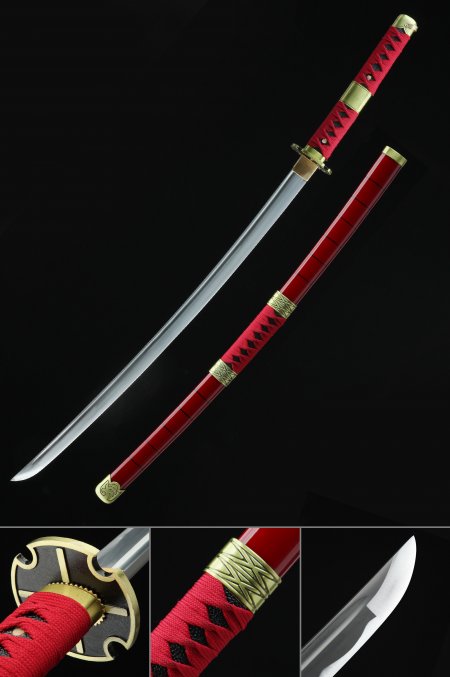
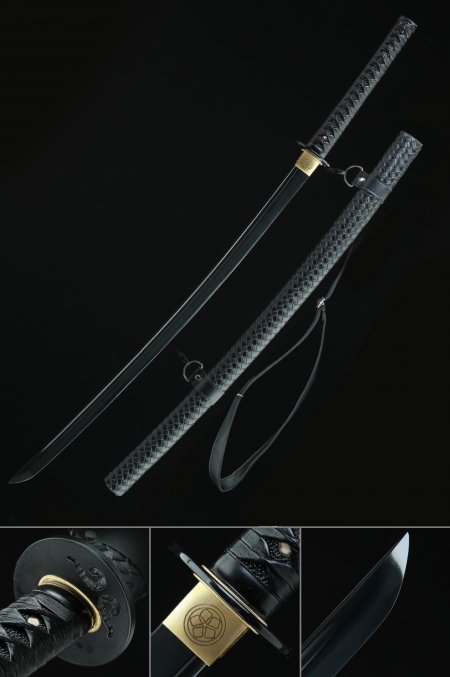
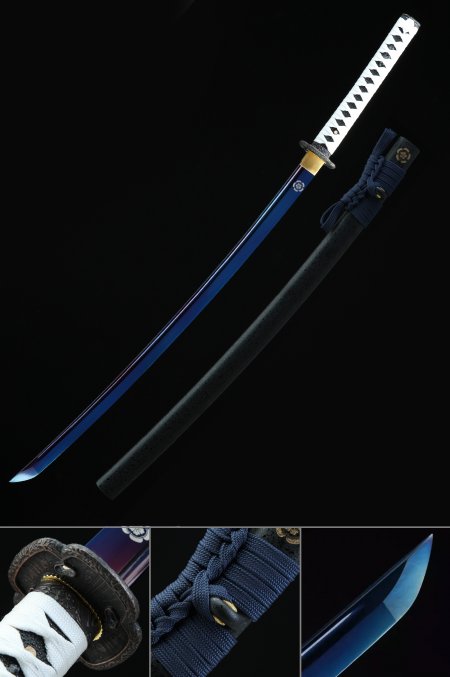
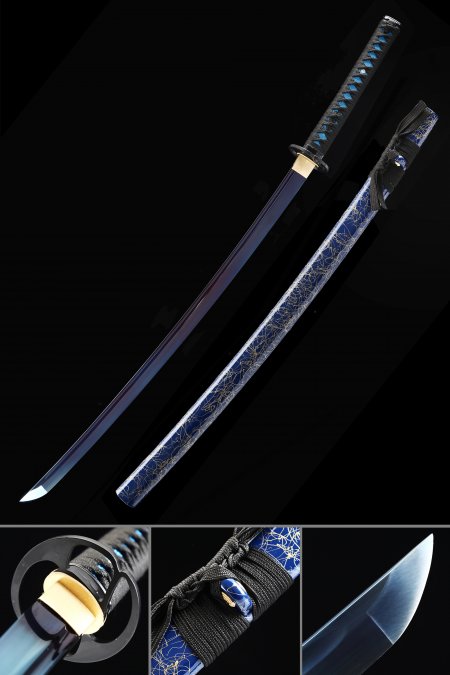
A full-tang Chinese jian and a Japanese katana are similar in construction philosophy but represent very different blade traditions and visual aesthetics. Both are full-tang high-carbon steel blades with handle-and-scabbard fitting systems built for display collecting, and both are historical sword forms with centuries of cultural significance. The primary differences are in blade geometry and form. The jian is a double-edged straight sword - both edges of the blade are capable of cutting, and the blade has no curve. The katana is a single-edged curved sword - only one edge is sharpened, and the blade curves with a sori arc that defines the katana's iconic profile. In display terms, the jian's straight profile creates a different visual impression than the katana's curved silhouette - both are equally compelling but distinctly different. The jian's double-edged profile means its display orientation differs from the katana: where a katana is conventionally displayed edge-upward, a jian may be displayed either horizontally with the blade vertical or with either edge facing any direction, as both edges share the same visual weight.