What defines a Japanese saber and how does it differ from other saber types?
Updated Feb 2026
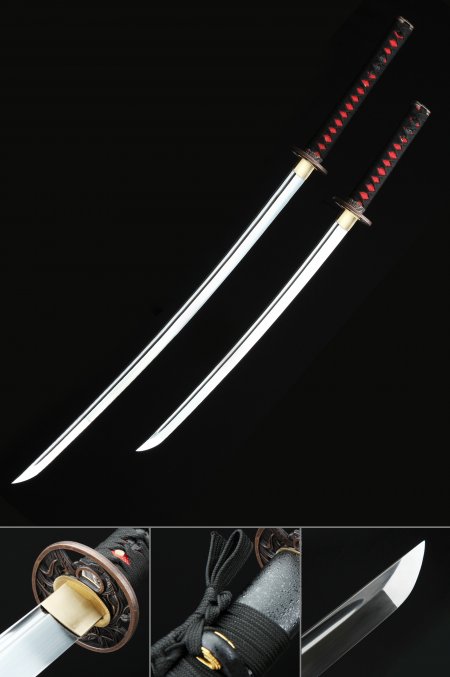
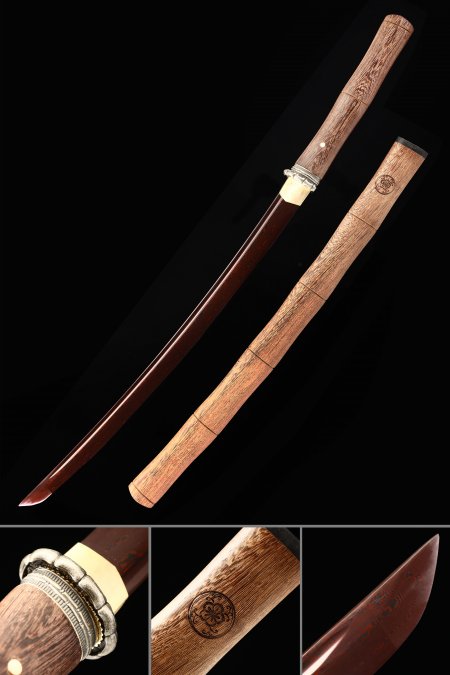
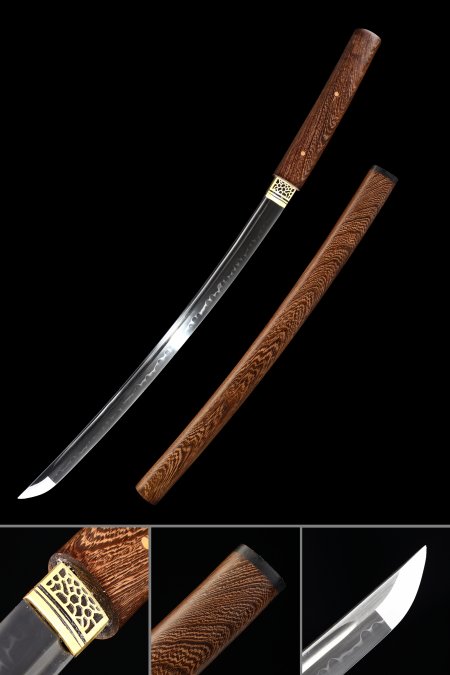
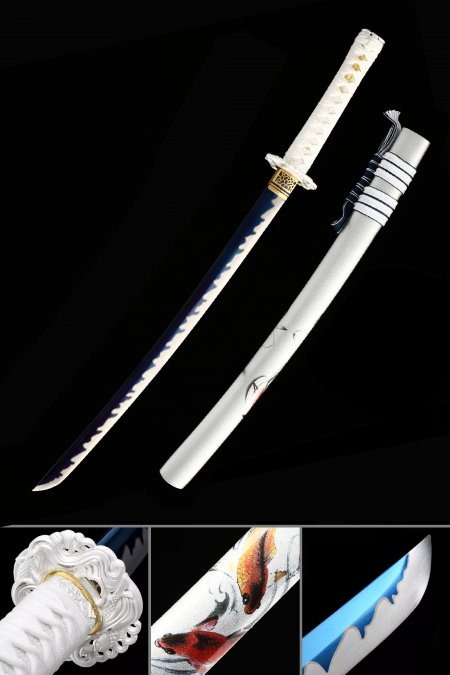
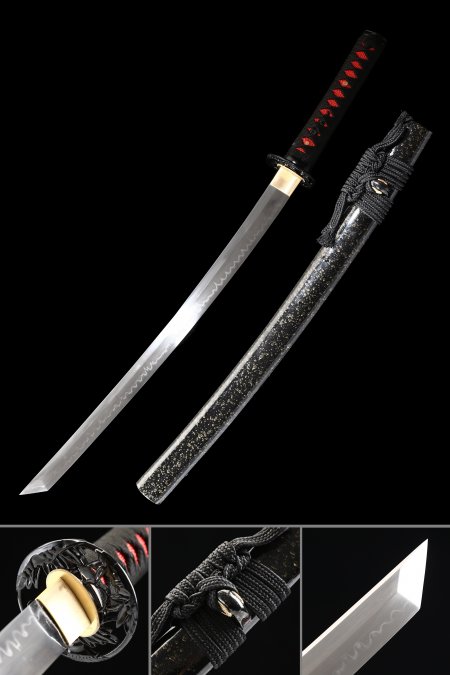
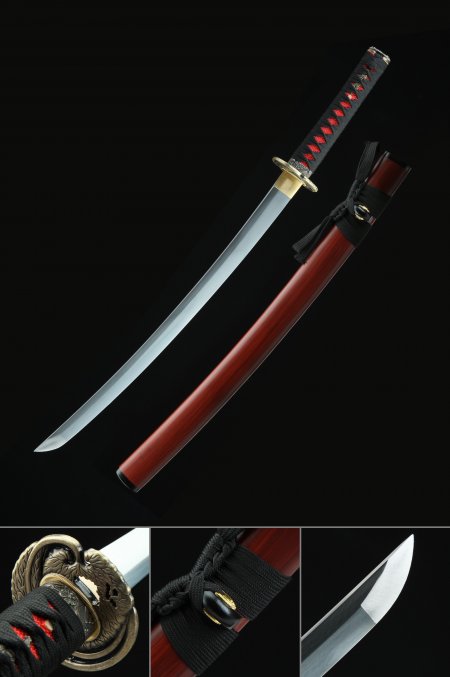
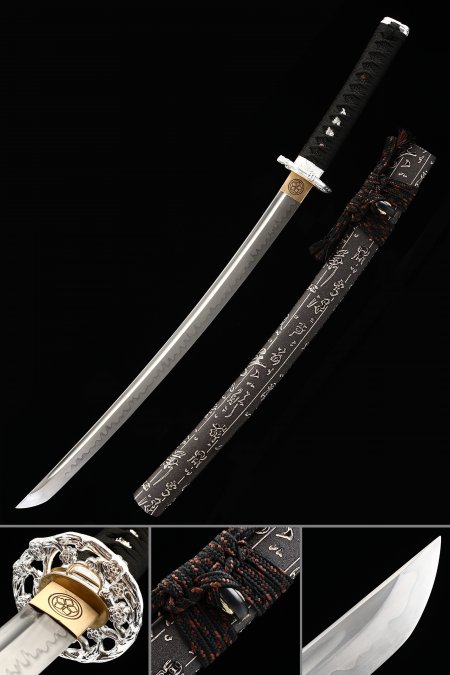
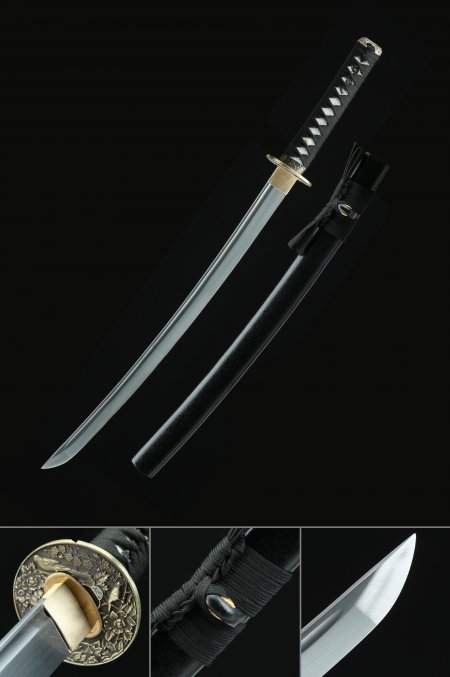
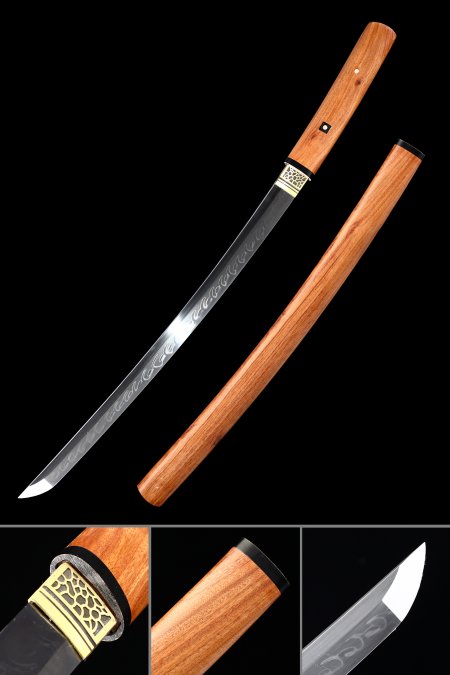
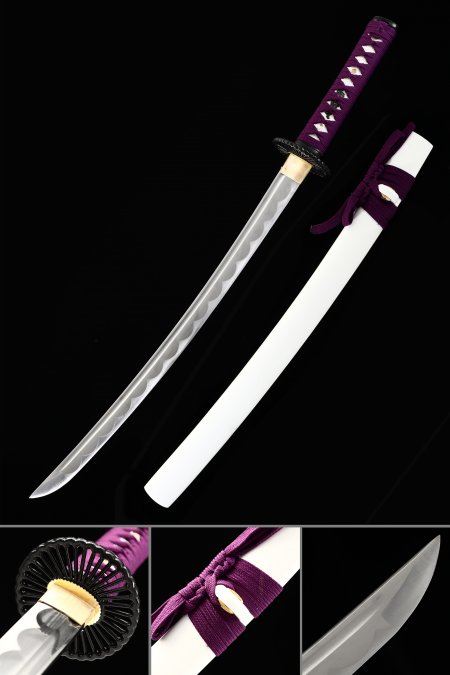
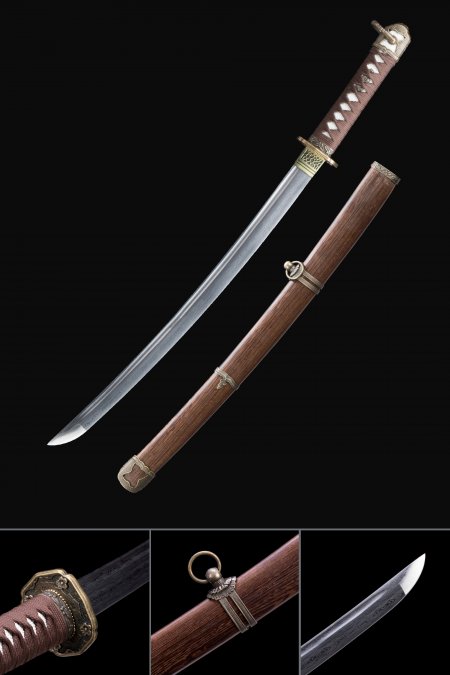
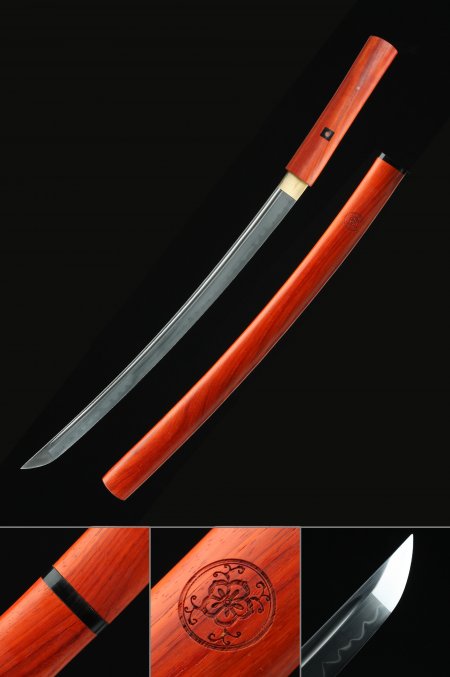
A Japanese saber is defined by its single-edged curved blade in the Japanese sword tradition - most recognizably the katana profile, but also encompassing the tachi, wakizashi, and related single-edged curved blade forms. The term 'saber' in the broadest sense refers to any single-edged curved blade designed primarily for cutting technique, and the Japanese sword tradition represents one of the most refined and technically accomplished expressions of this concept in world sword-making history. What distinguishes a Japanese saber from European or Middle Eastern saber traditions is primarily the blade geometry: the Japanese katana's sori curve is a specific arc whose depth and position are precisely controlled, the tip geometry (kissaki) is a distinct design optimized for the Japanese sword-drawing technique, and the differential heat treatment method that produces the hamon is specific to the Japanese tradition. The fitting system - tsuba guard, ito wrapping over ray-skin, paired scabbard in lacquered wood - is also distinctly Japanese and has no close parallel in other saber-making traditions.