What is the best way to display a samurai wakizashi in a home collection?
Updated Feb 2026
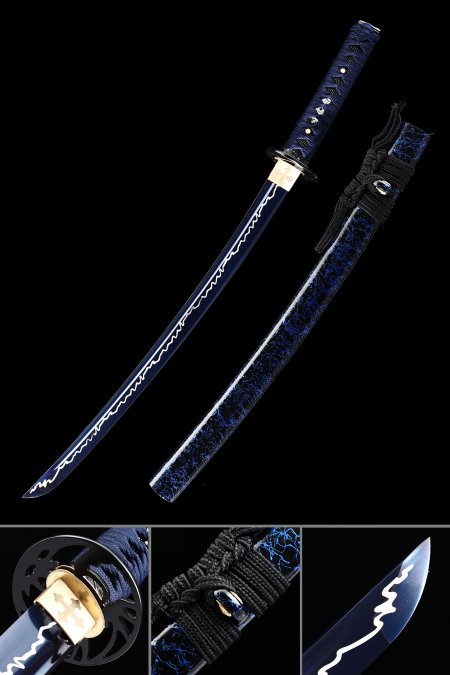
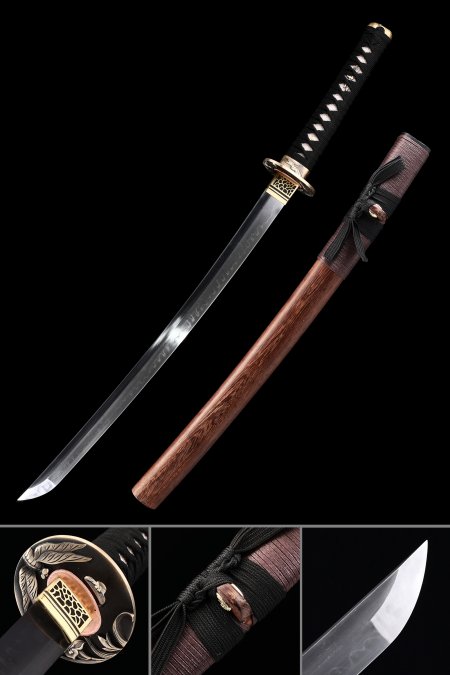
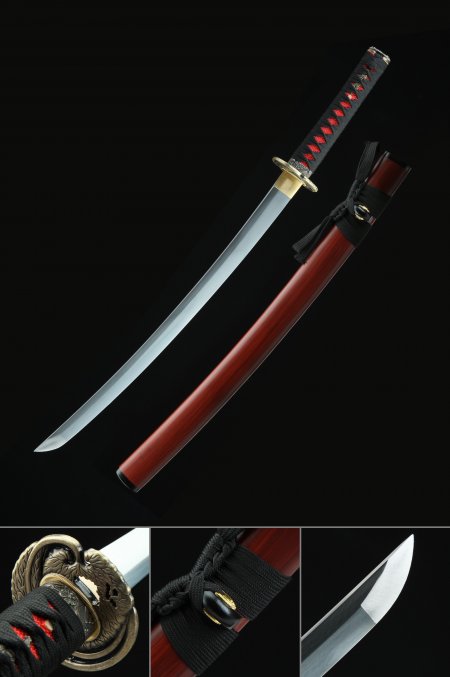
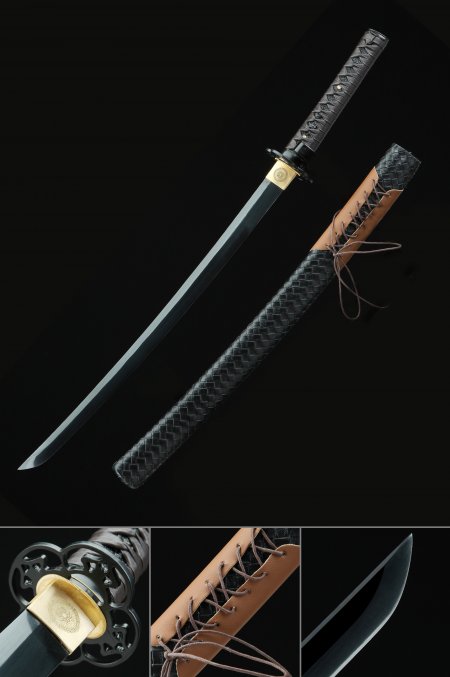
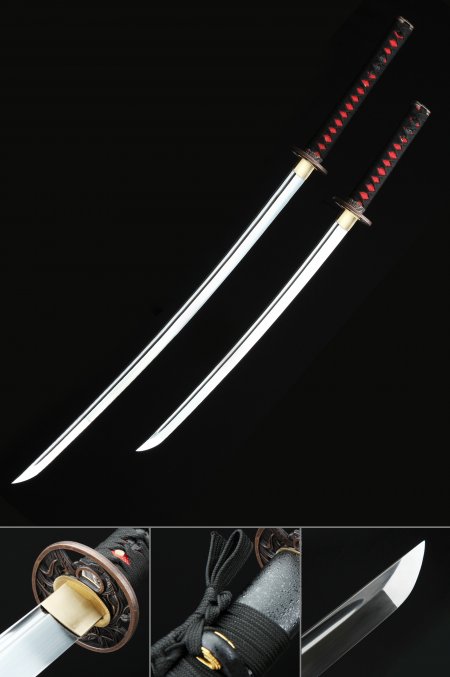
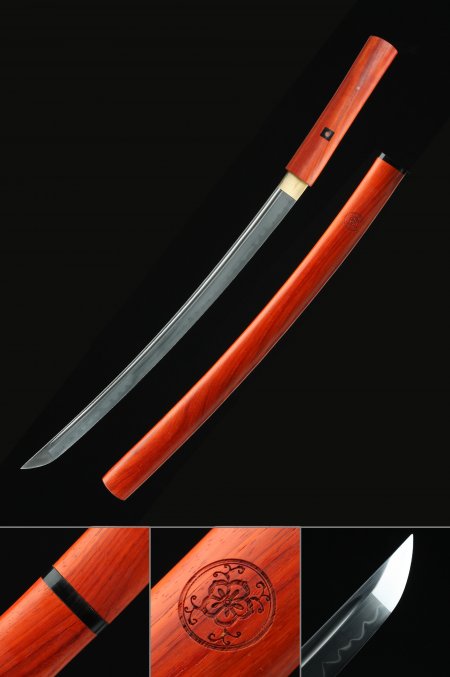
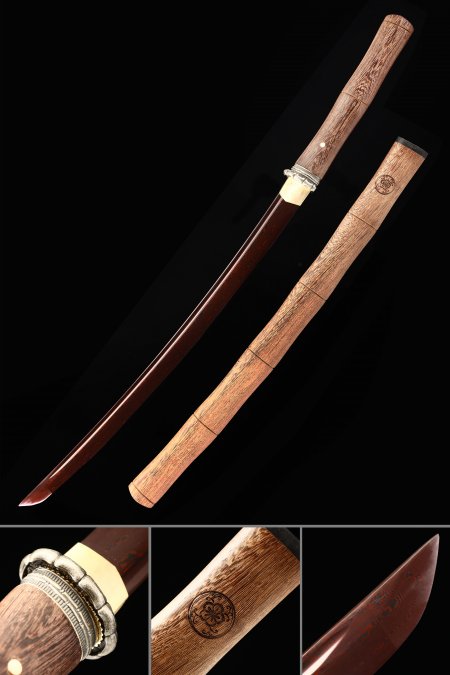
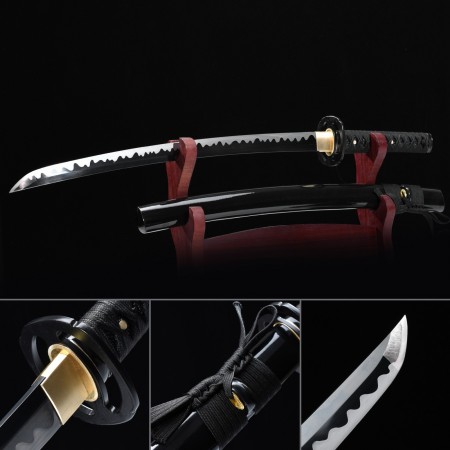
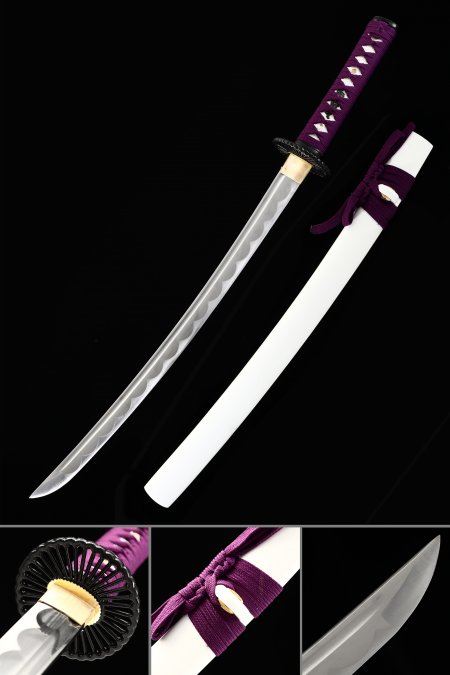
Displaying a samurai wakizashi at home offers considerable flexibility given its compact dimensions and visual richness. For a standalone wall display, a horizontal two-peg bracket sized for short sword blade lengths positions the wakizashi at eye level with the edge facing upward in the traditional resting orientation. This is the simplest and most effective single-piece display format and requires minimal wall space. For a daisho arrangement - the traditional matched pair of katana and wakizashi - a two-tier horizontal wall bracket positions both swords in the historical configuration, with the katana above and the wakizashi below. This arrangement is particularly effective when the two pieces share matching fittings and scabbard finish, reading as a unified set rather than two separate swords. The daisho display is one of the most recognized and historically authentic arrangements in Japanese sword collecting and is the display format that most directly reflects the role of the samurai wakizashi in Japanese sword culture. For tabletop display, a freestanding two-peg stand supports the wakizashi effectively as an accessible piece for regular handling and inspection.