What is the historical relationship between tanto and katana in Japanese sword culture?
Updated Feb 2026
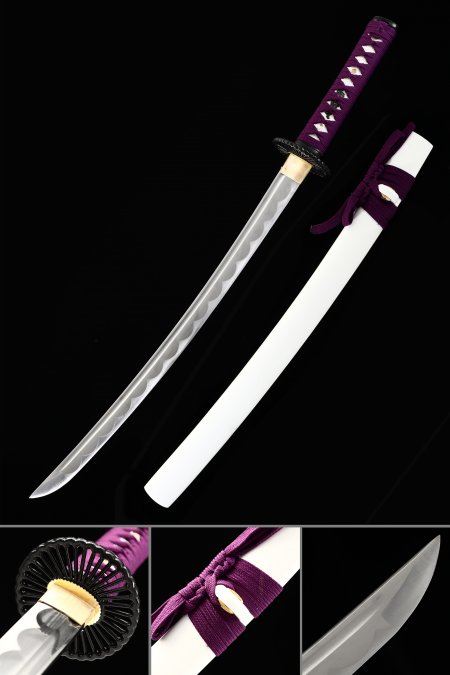
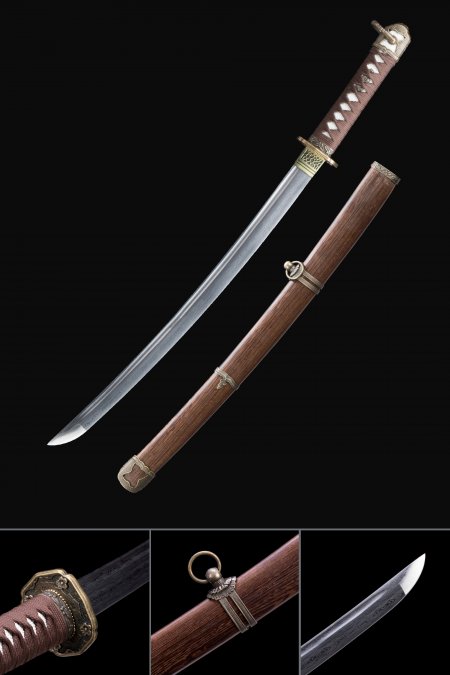
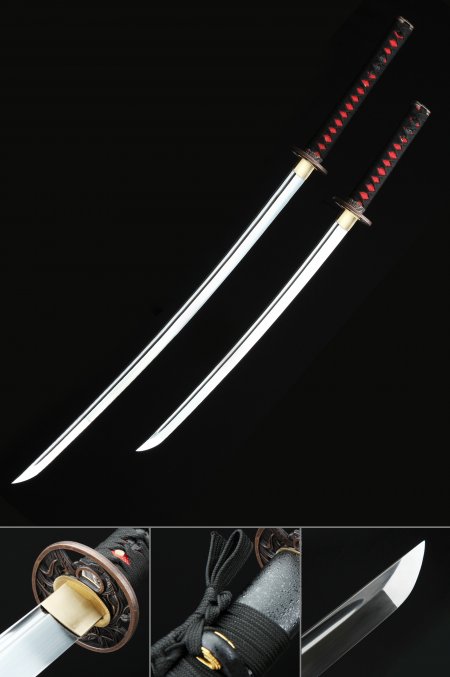
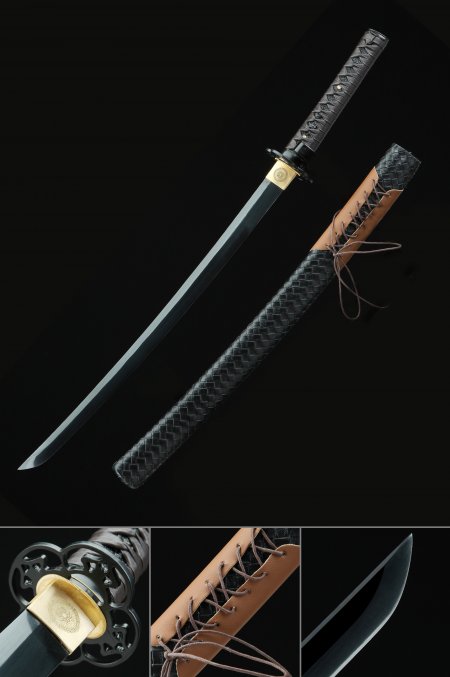
The tanto and katana are the two blades of the daisho - the matched pair of long and short swords that defined samurai social status and equipment in feudal Japan. The daisho tradition became formalized during the Edo period, when samurai were expected to wear both a longer sword (daito, or katana) and a shorter sword (shoto, which could be a tanto or wakizashi) as a permanent mark of their warrior class status. The longer blade was typically left at the door when entering a lord's residence as a gesture of respect, while the shorter blade was kept on the person at all times. This continuous-carry role gave the tanto and wakizashi a different character from the katana - more personal, more constantly present, and in the case of the tanto, associated with close-quarters situations where the longer blade could not be deployed. For collectors, the tanto and katana together tell the story of samurai equipment more completely than either does alone, and a daisho display pairing both blades is one of the most historically authentic arrangements in Japanese sword collecting.