How do I care for a short Japanese katana sword over time?
Updated Feb 2026
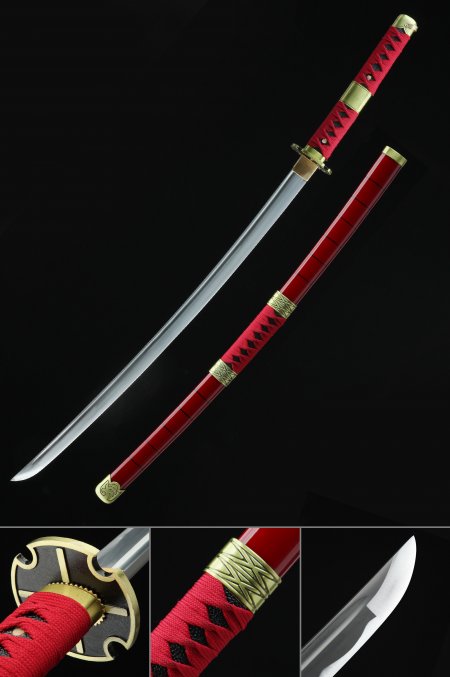
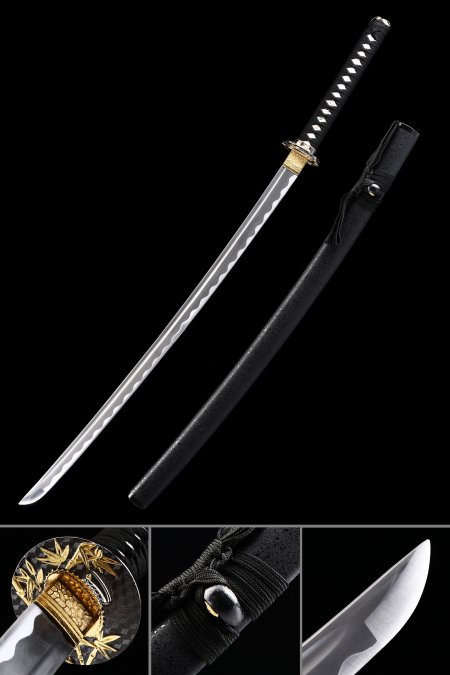
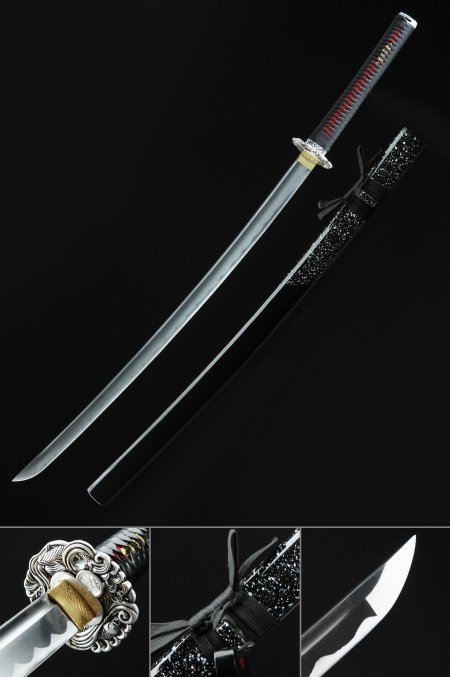
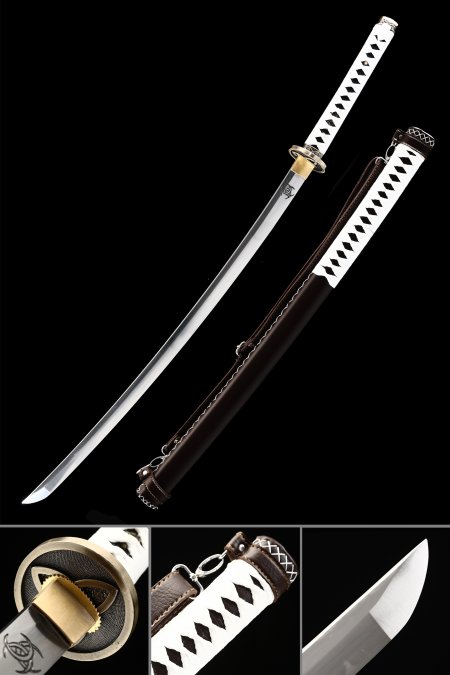
Long-term care for a short Japanese katana requires the same routine as any high-carbon steel Japanese blade, applied consistently after each handling session. After handling, wipe the full blade surface with a soft lint-free cloth to remove fingerprints and moisture. Apply a thin coat of camellia oil or mineral oil along the full blade surface using a separate cloth, then buff away excess until only a barely-visible film remains. This oil coating is the primary protection against oxidation and should be maintained as a regular habit rather than an occasional intervention. Check the habaki fit at the scabbard mouth periodically - a habaki that has loosened can allow the blade to shift in the scabbard, creating wear on the blade edge. Inspect the mekugi retention pin periodically as well, as temperature and humidity changes can cause the handle wood to expand and contract, potentially loosening the pin. For the lacquered scabbard, wipe with a dry soft cloth to remove dust and avoid prolonged contact with moisture. Store in a stable-temperature, low-humidity room rather than in a garage or basement where temperature swings are common.