What distinguishes a high-quality Japanese tanto from an entry-level one?
Updated Feb 2026
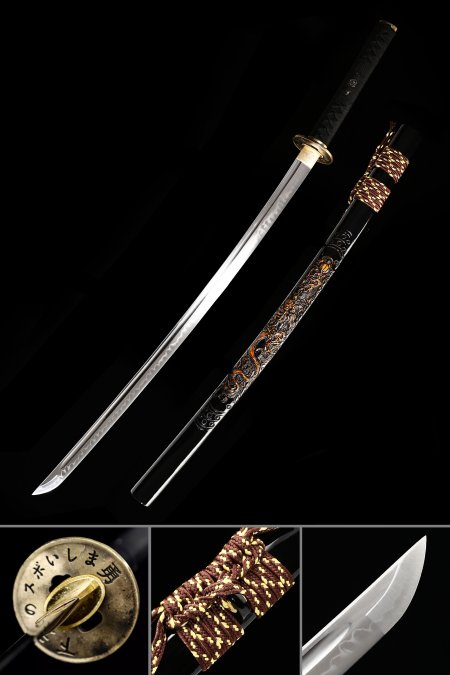
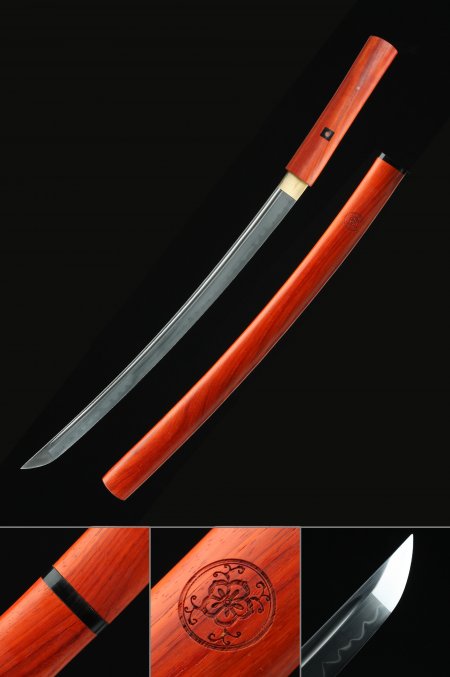
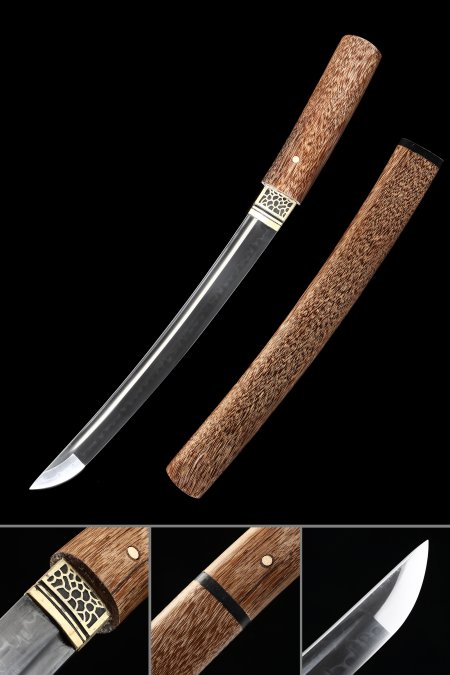
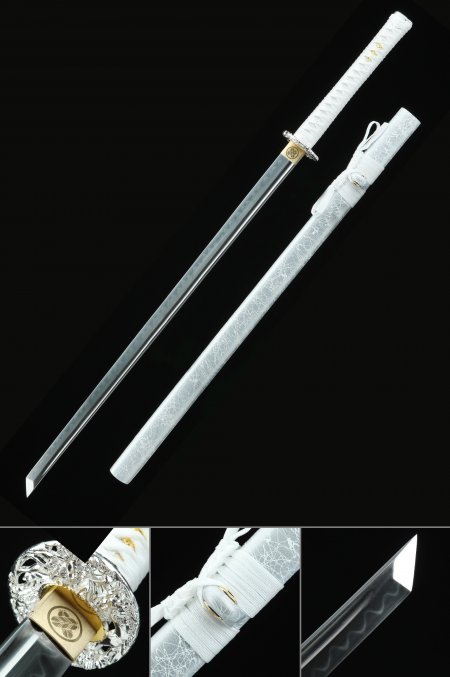
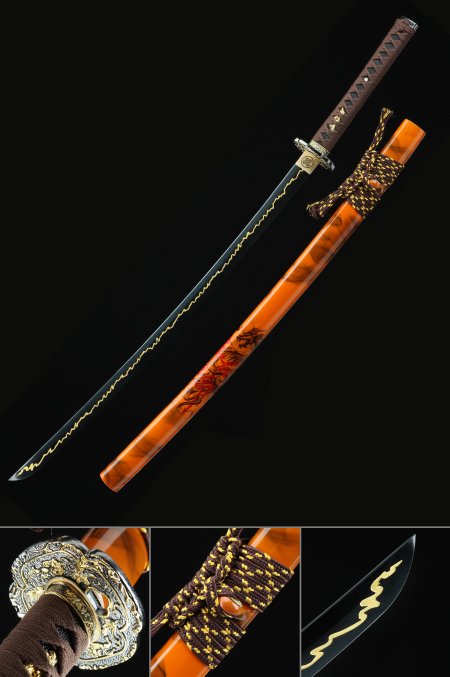
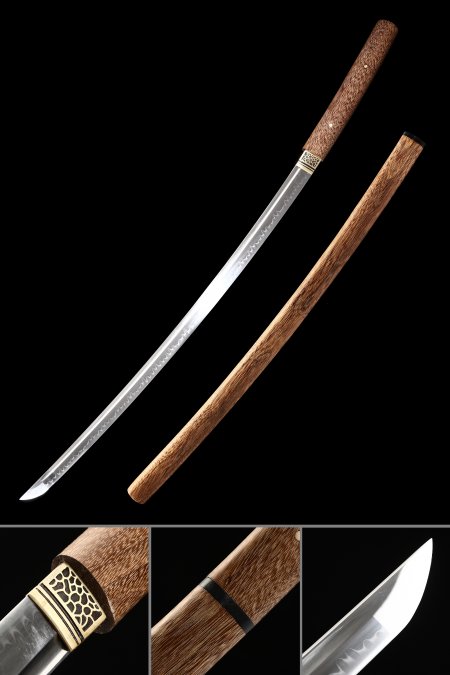
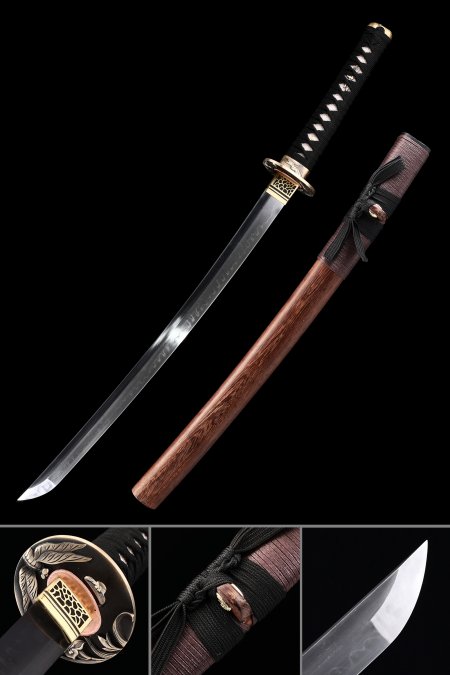
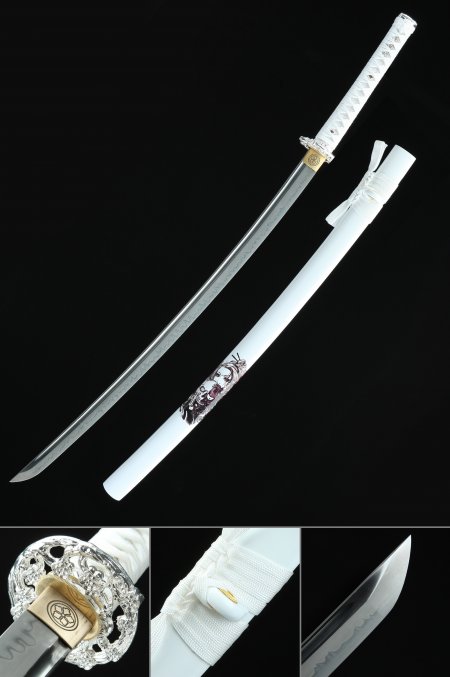
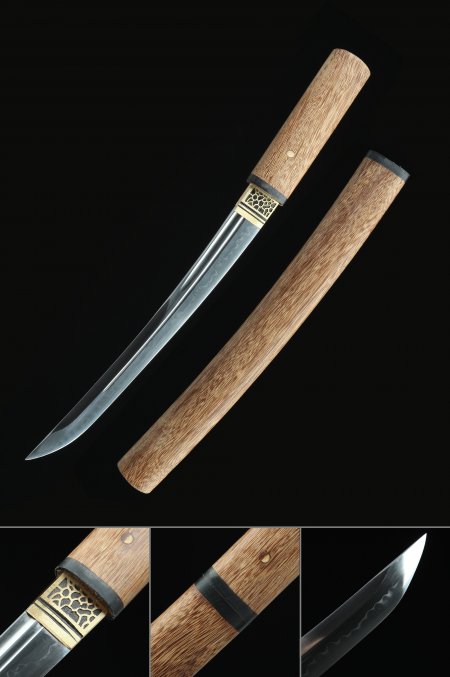
Several construction and material characteristics distinguish a high-quality short Japanese tanto from an entry-level piece. The most important single indicator is the steel grade and heat treatment: a T10 carbon steel tanto that has undergone proper differential heat treatment will display a visible hamon temper line - the wave-patterned boundary along the blade edge - whose presence confirms genuine craft-quality forging. Entry-level tanto in 1045 carbon steel are also properly constructed but are less likely to show a defined hamon. Full-tang construction is the baseline quality standard for any serious tanto: the blade steel must run from the tip through the complete handle, confirmed by a mekugi retention pin. Partial tang or rat-tail tang construction indicates a decorative-grade piece not appropriate for serious collecting. Handle wrapping quality is the third area to examine: consistent, tight ito wrapping with no gaps or loose sections indicates careful assembly. Tip geometry is the fourth: the tanto tip should be cleanly formed with a precise angle where the edge bevel meets the blade back, not rounded or imprecise. Each piece in this collection meets these quality standards.