What should I look for when examining a handmade katana in person?
Updated Feb 2026
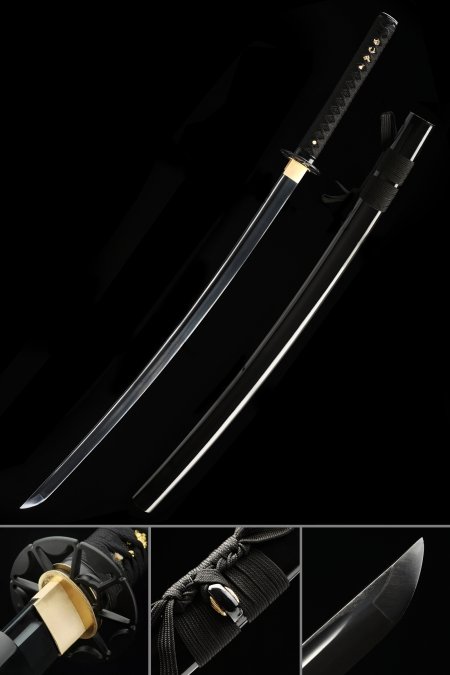
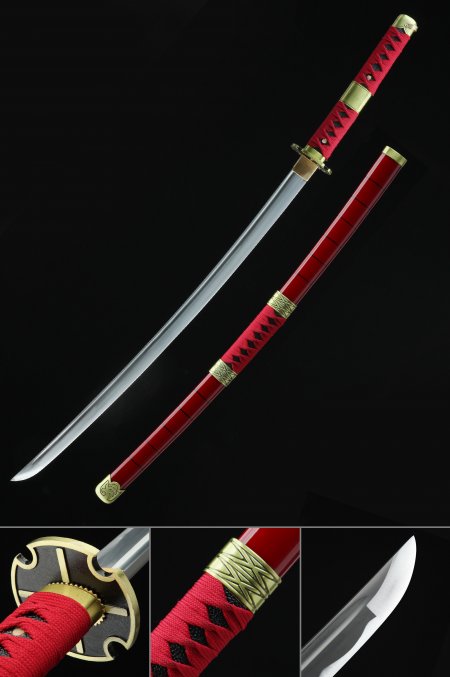
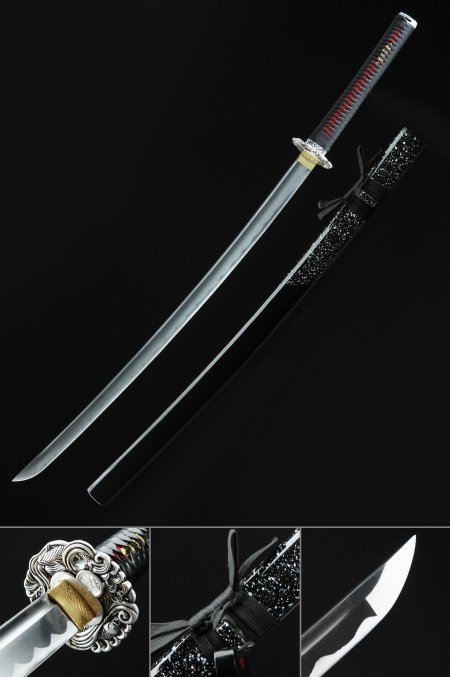
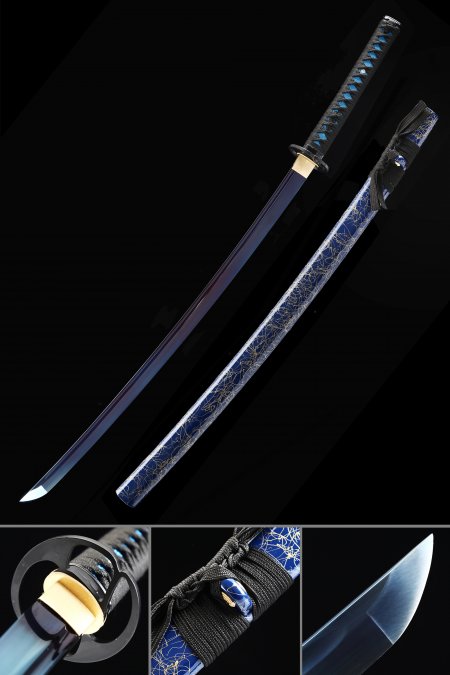
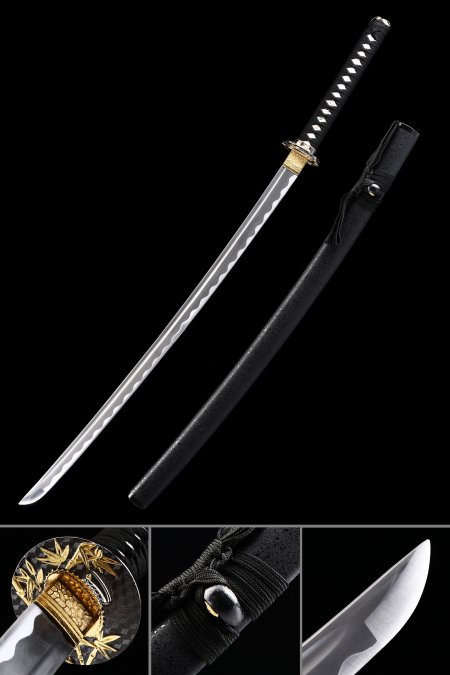
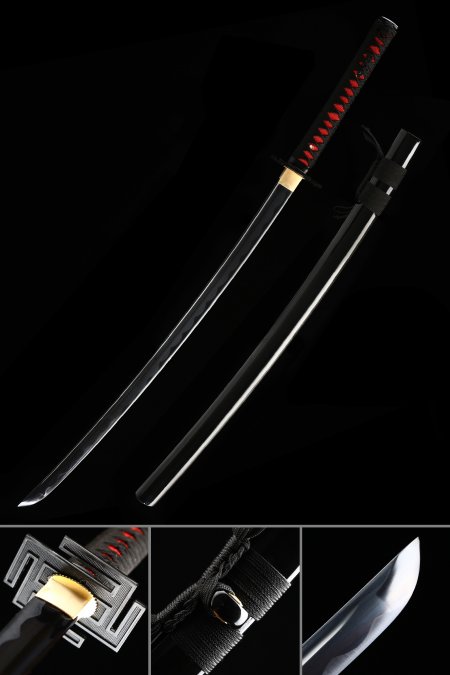
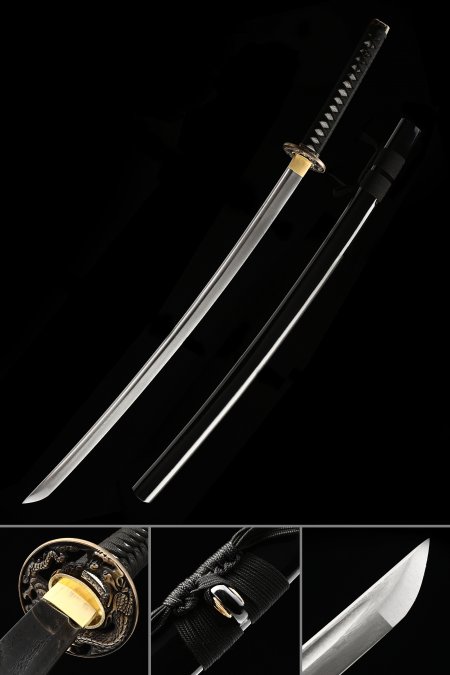
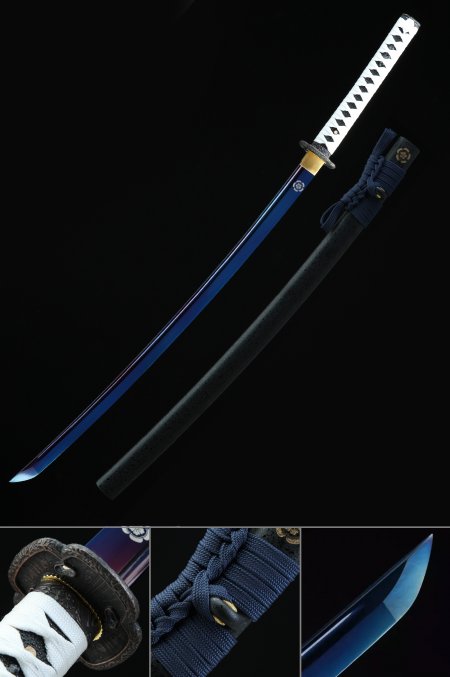
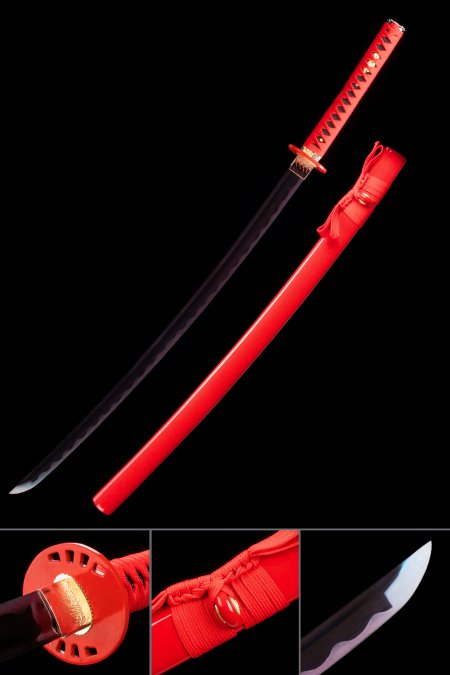
When examining a handmade katana in person, focus on several specific quality indicators across the blade and fittings. On the blade, the hamon should be clearly visible as a physical change in the steel's surface character - a misty, active zone along the edge rather than a sharp painted line. Run your eye along the blade from habaki to kissaki and assess the geometry: the shinogi ridge line should be consistent, the curve should flow evenly without flat spots or abrupt changes, and the kissaki point geometry should be cleanly executed with the yokote line - the boundary between the blade body and the point section - clearly defined. The habaki should fit the blade snugly without wobble or visible gaps at the contact points. The tsuka should feel solid when gripped firmly - no wobble of the blade within the handle. The saya should accept the blade smoothly with consistent resistance through the draw and return without binding or excessive looseness. The tsuba should be fitted to the blade without visible gaps at the habaki and without movement when the blade is held. These are the quality markers that a skilled examination of a handmade katana reveals, and they apply equally across all steel types and mounting styles.