How much individual variation exists between handmade katana of the same style?
Updated Feb 2026
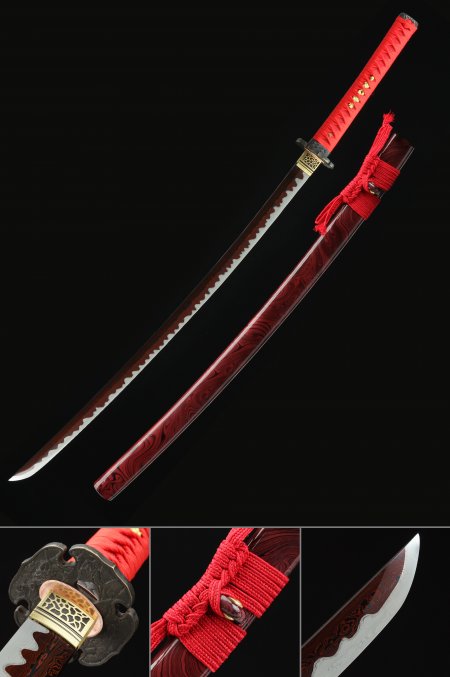
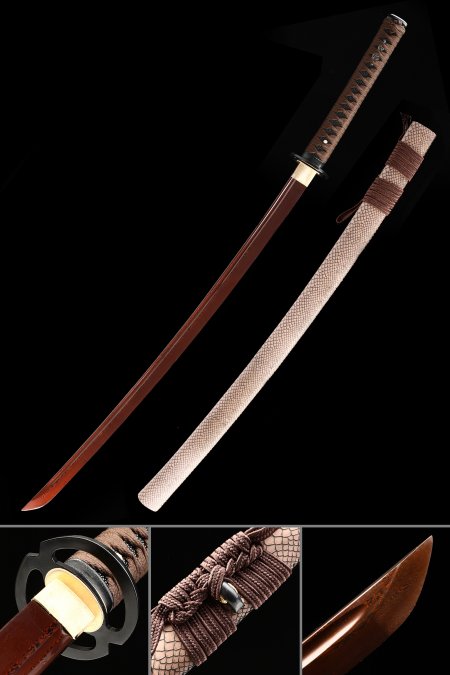
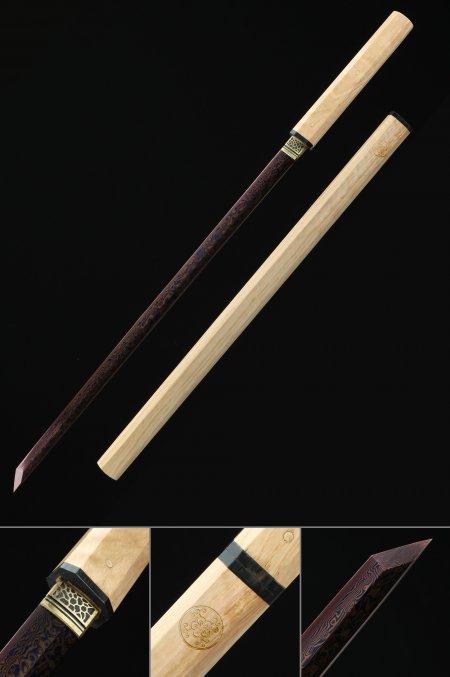
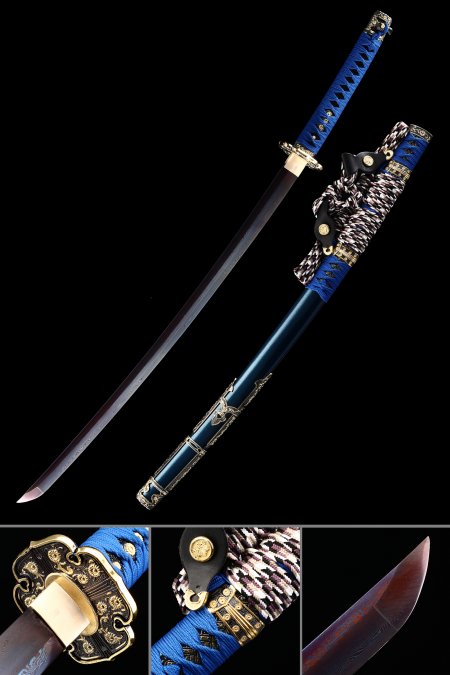
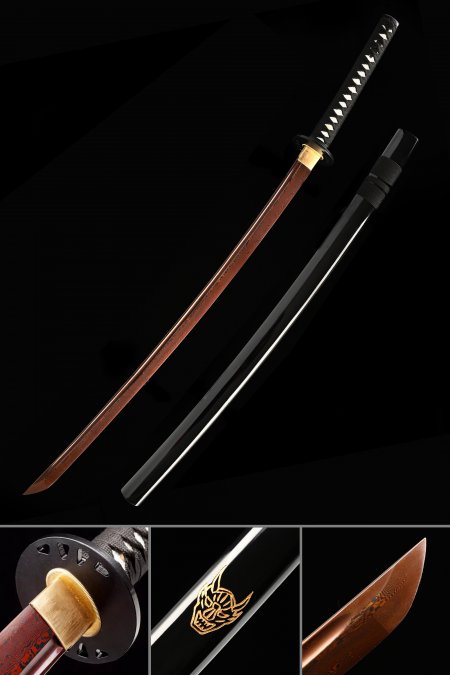
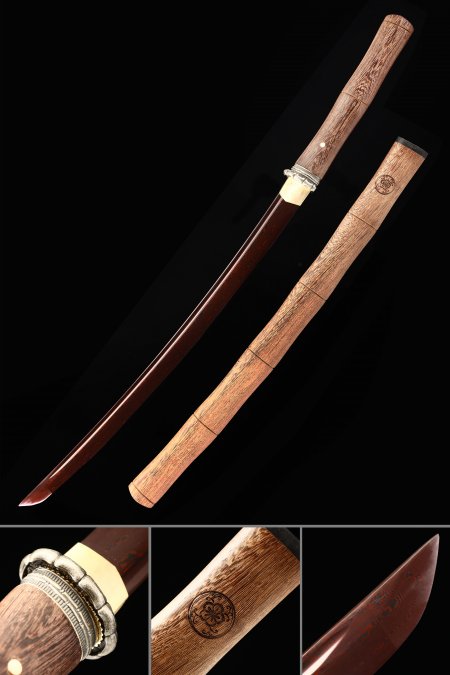
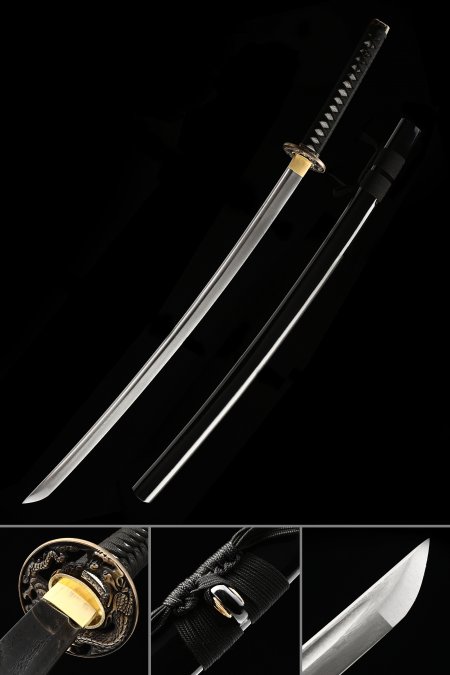
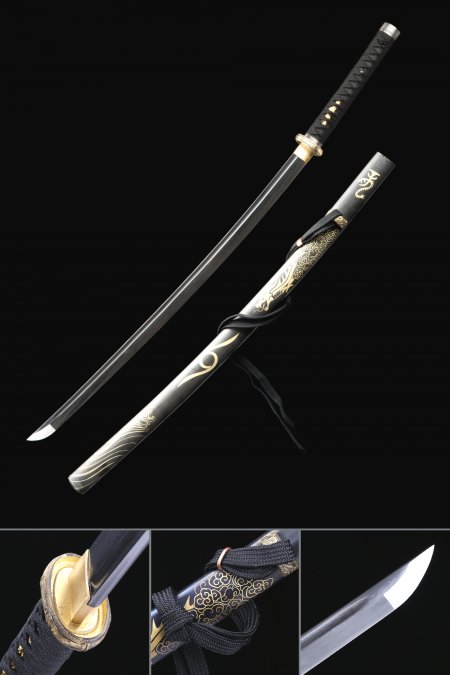
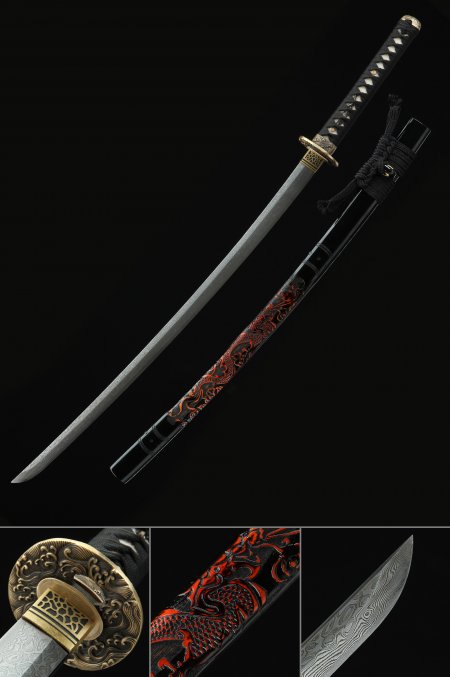
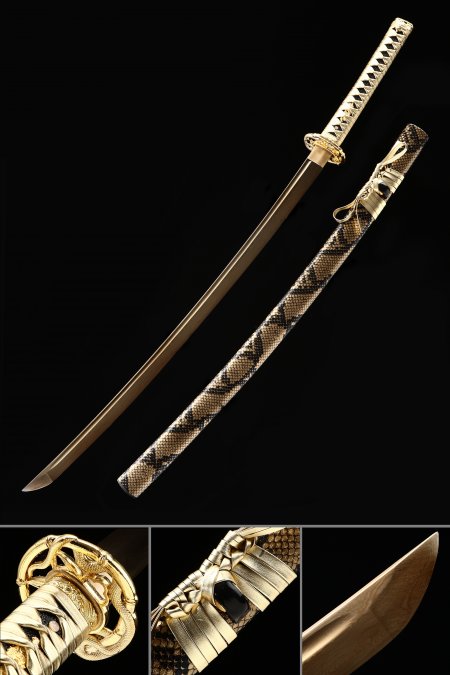
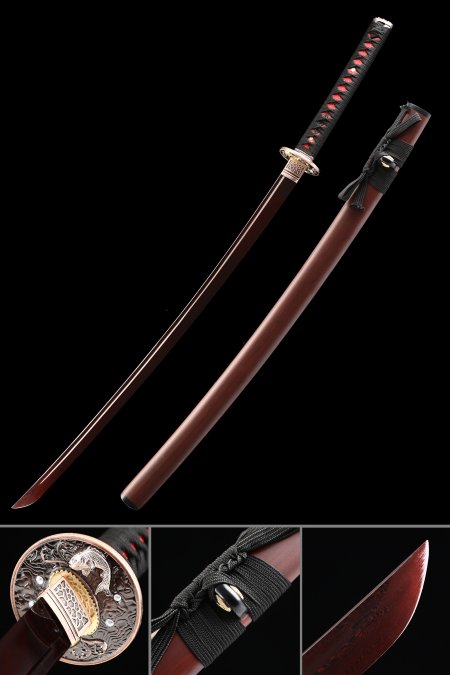
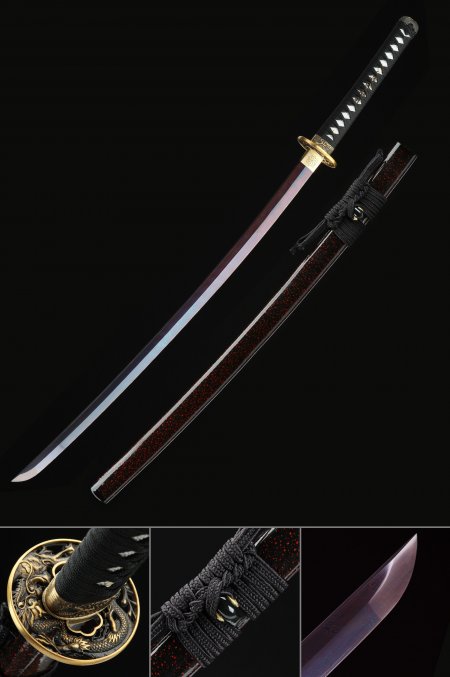
Meaningful individual variation exists between handmade katana of the same style, material, and production origin - and this variation is one of the primary reasons collectors find handmade swords more interesting than production pieces. The most significant variable is the hamon on clay-tempered blades. Clay is applied by hand, which means the specific undulation, the nie and nioi activity, and the overall character of the hamon is different between every blade even when the same smith applies the same clay pattern. The hamon on two T10 katana made by the same person from the same batch of steel will be recognizably similar but individually distinct, like two signatures from the same hand. Damascus blades show even more dramatic individual variation: the grain pattern created by folding and twisting the billet is determined by the specific working process of each piece, and no two Damascus blades share the same pattern. Handle materials and saya finish show less variation in a production range but retain individual fitting character - each tsuka is fitted to its specific blade's nakago dimensions. For collectors, these variations are what make acquisition decisions interesting and what give each piece a specific individual identity.