How does a Chinese jian differ from a Japanese katana in construction?
Updated Feb 2026
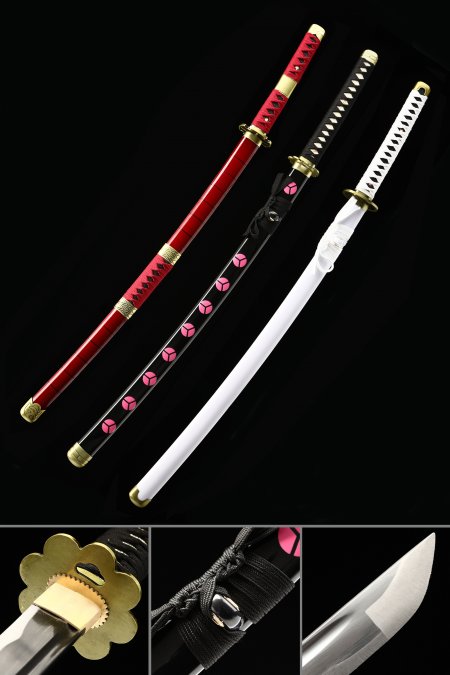
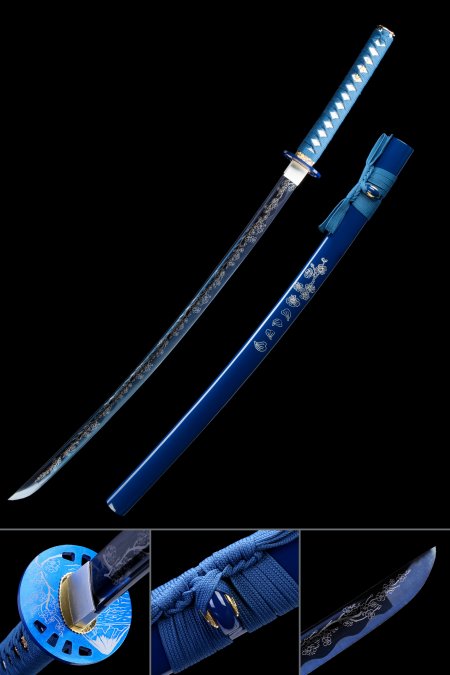
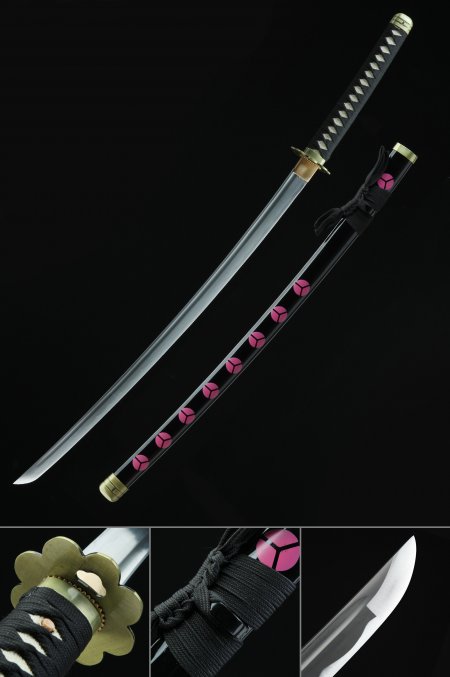
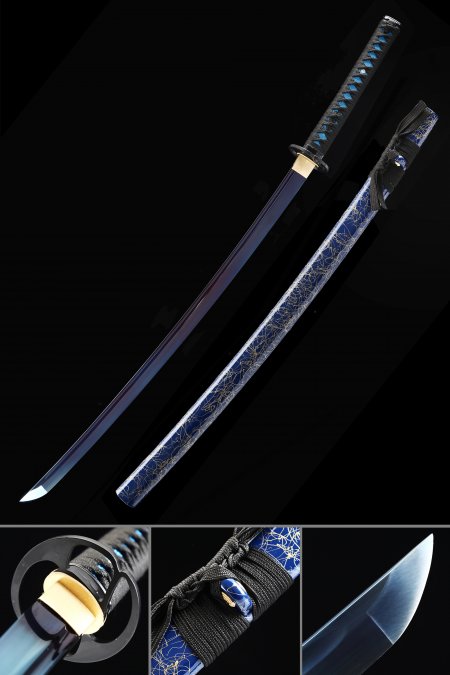
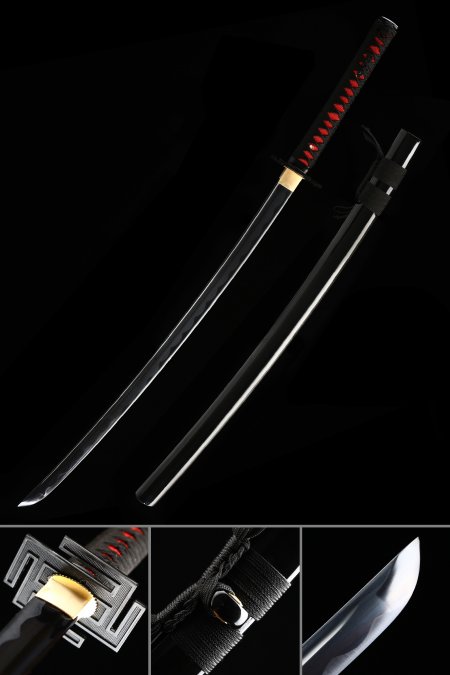
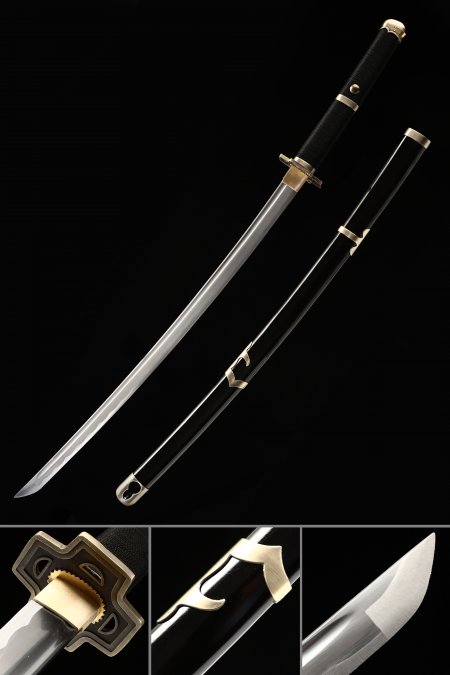
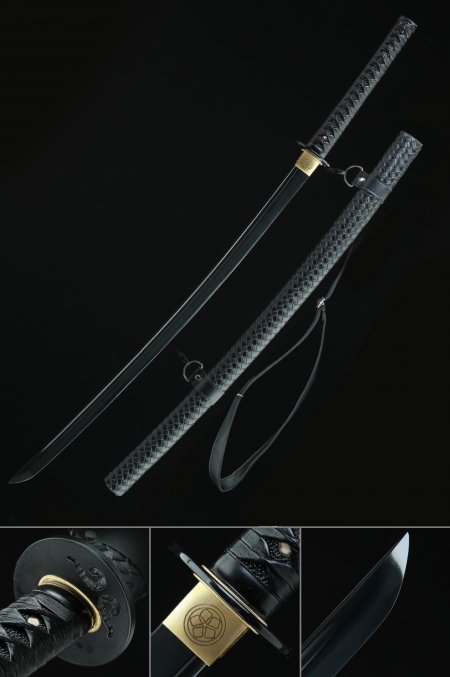
The Chinese jian and Japanese katana differ in several fundamental ways that reflect their distinct martial and cultural traditions. The most obvious difference is blade geometry: a jian is straight and double-edged, while a katana has a characteristic curve and is single-edged with a sharpened edge and an unsharpened spine. This affects how each sword is used - jian technique uses both edges in a more symmetrical, directional manner, while katana technique emphasizes the single cutting edge and the specific leverage the curved geometry provides. The handle systems also differ: a jian typically uses a straight handle with a disc or crossguard-style tsuba and a pommel that provides counterbalance, while a katana uses a longer two-handed handle with a different guard profile. Steel traditions vary as well: Japanese swordsmithing emphasizes differential hardening through clay tempering as a central technique, while Chinese smithing includes clay tempering but also produces many swords through other heat treatment methods. Both traditions produce exceptional results through different technical paths.