What makes the oxtail dao design distinctive compared to other Chinese sword forms?
Updated Feb 2026
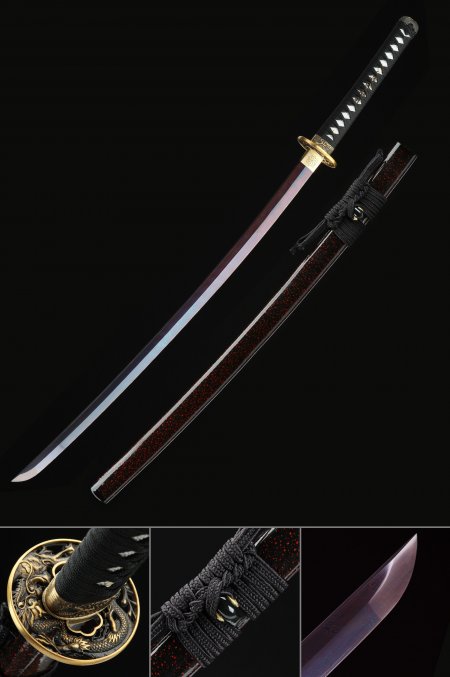
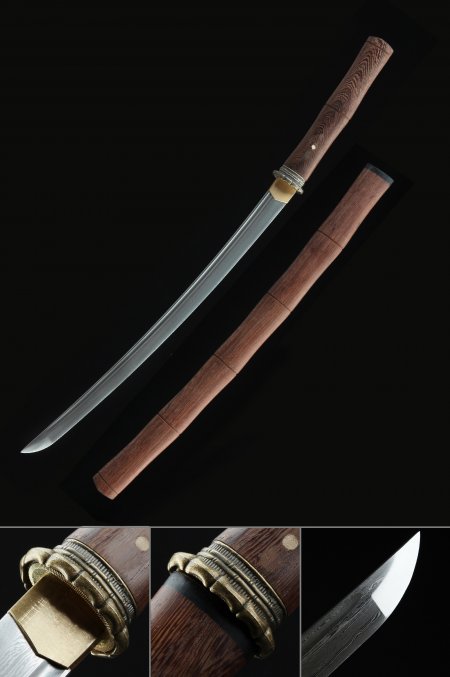
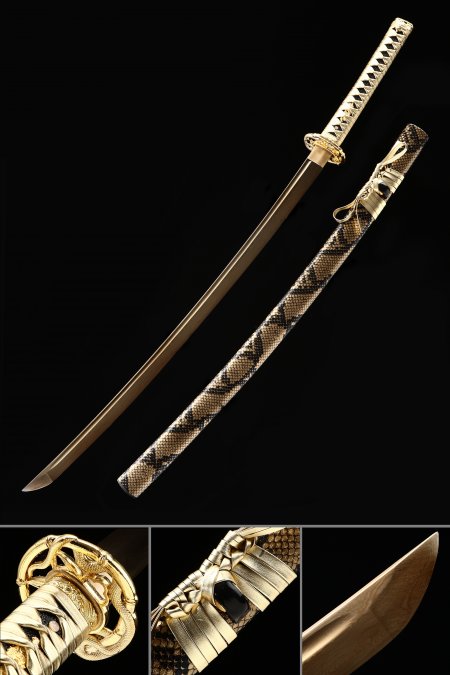
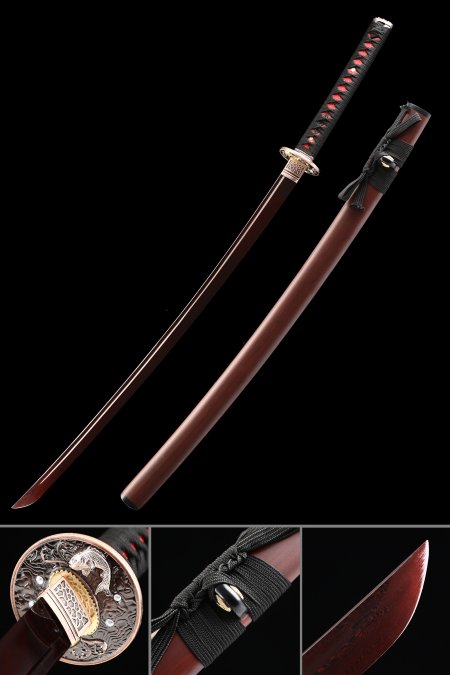
The oxtail dao - known in Chinese as niuwei dao - is named for its characteristic blade profile: it widens progressively from the base toward the tip, with the broadest point near the forward third of the blade before curving to the tip. This flared geometry concentrates cutting mass toward the tip of the blade, which increases the force delivered at the point of contact during a cutting stroke. The design became prevalent during the Qing Dynasty and was adopted extensively in Chinese martial arts systems, particularly those that emphasize powerful, committed cuts rather than the lighter, more mobile techniques suited to a narrower blade. The oxtail dao also has a visual identity that is completely unlike Japanese sword forms - the widening profile creates a silhouette that is distinctive and immediately recognizable on display. The Damascus and clay-tempered options in this collection accentuate the blade's form by adding surface detail that draws attention to the profile.