What should I look for when comparing authentic Japanese katana swords at a similar price point?
Updated Feb 2026
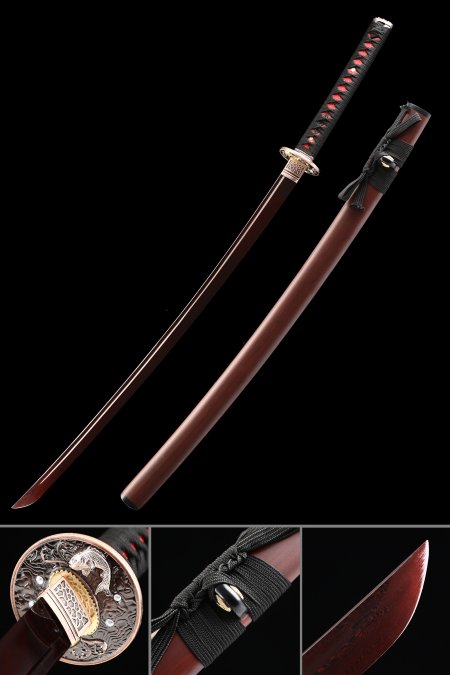
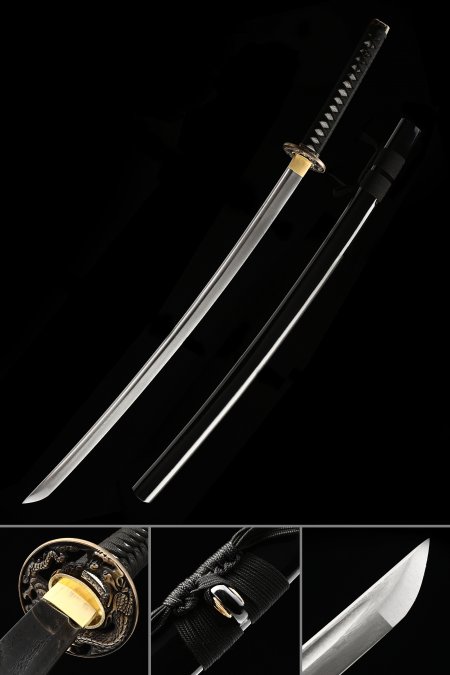
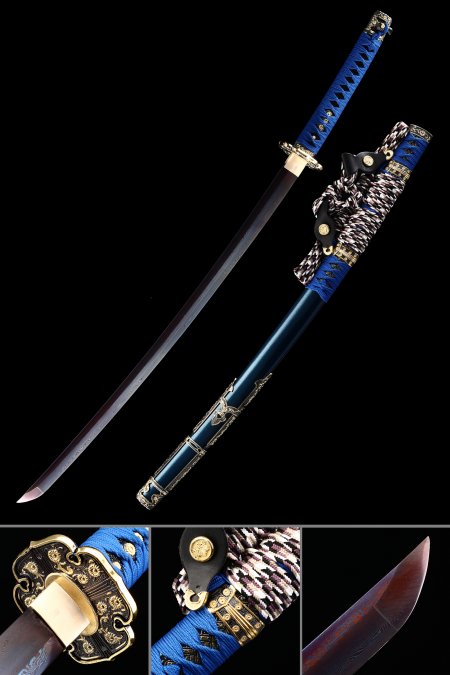
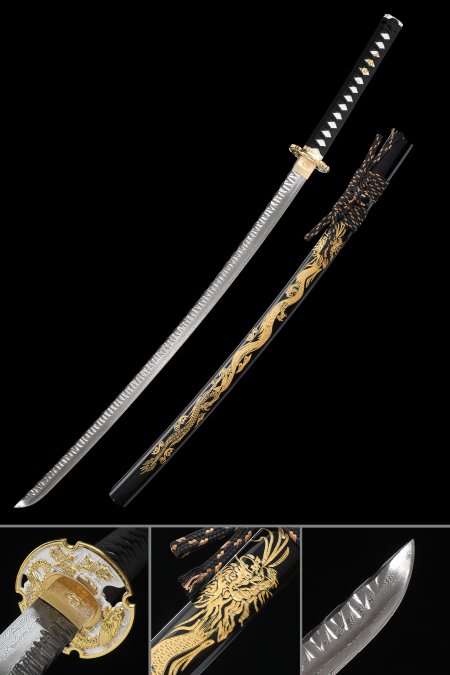
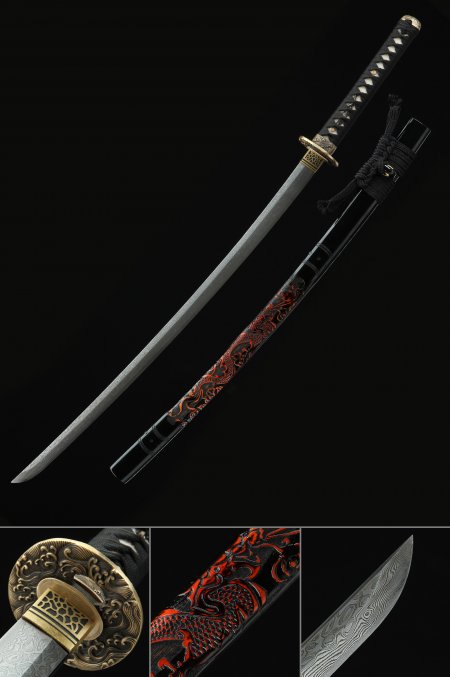
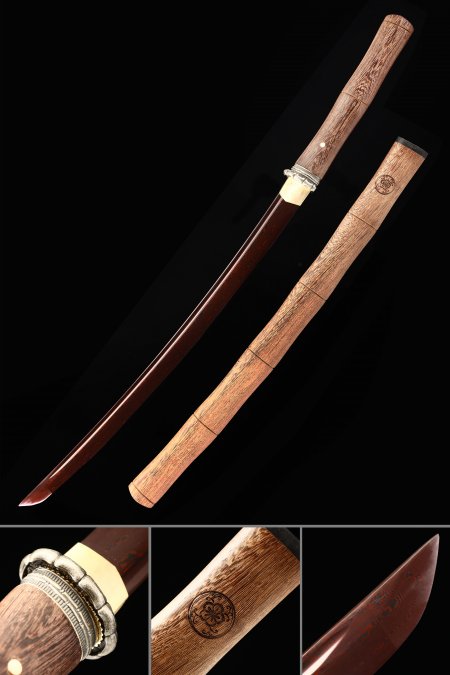
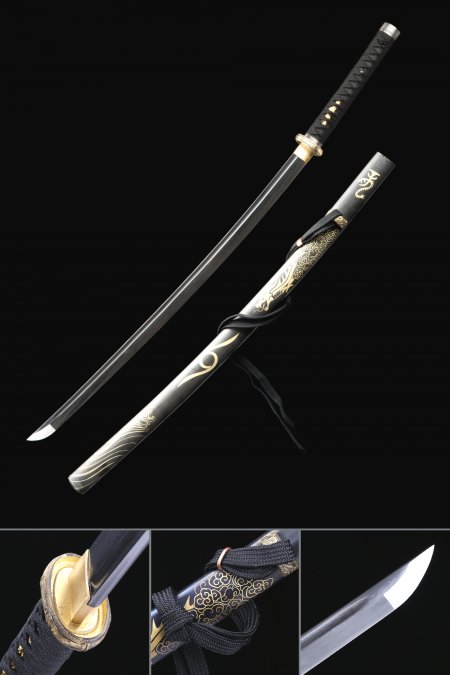
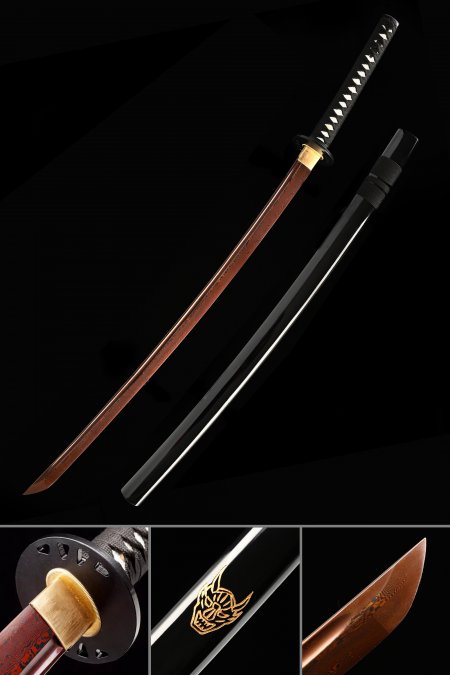
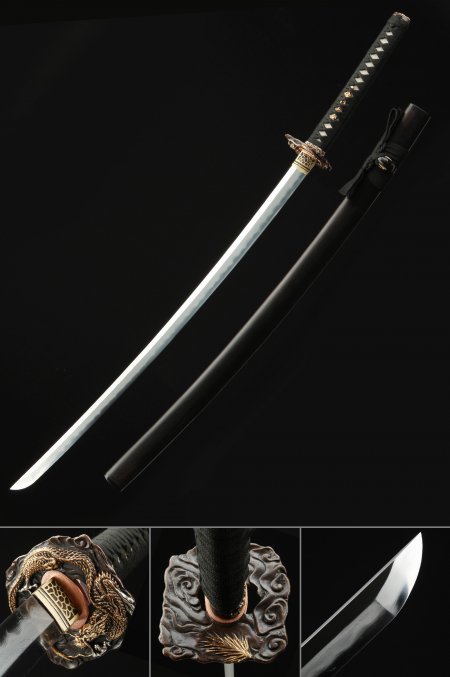
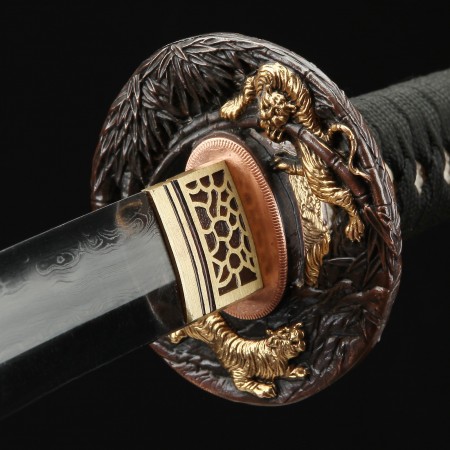
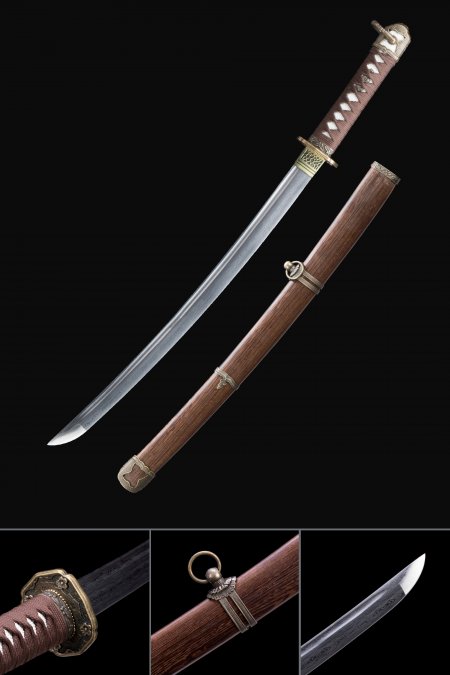
At any given price point, focus on three areas: steel type and heat treatment, handle construction, and overall fit and finish. For steel, T10 clay-tempered and quality Damascus are preferable to generic 1045 carbon steel if authenticity is your priority - both require more skilled heat treatment and produce a more interesting final result. Verify that the product explicitly mentions a real hamon and full-tang construction, as these are the two most critical indicators of genuine craftsmanship. For the handle, look for ray skin (same) and properly tied ito rather than synthetic wrapping - the difference is visible up close. Fit and finish details - how cleanly the habaki seats on the blade, how evenly the ito is wrapped, how smoothly the blade draws from the saya - often indicate the overall quality of the build. Finally, consider the balance of the blade: a well-made katana should feel balanced naturally in a neutral grip, not front-heavy or awkward to hold. These are the details that separate a genuinely crafted piece from a lower-quality imitation at the same price.