How do I verify the quality of a functional-grade samurai sword?
Updated Feb 2026
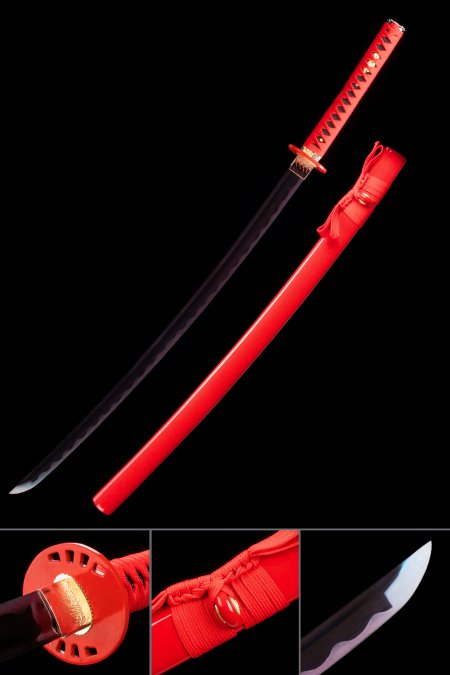
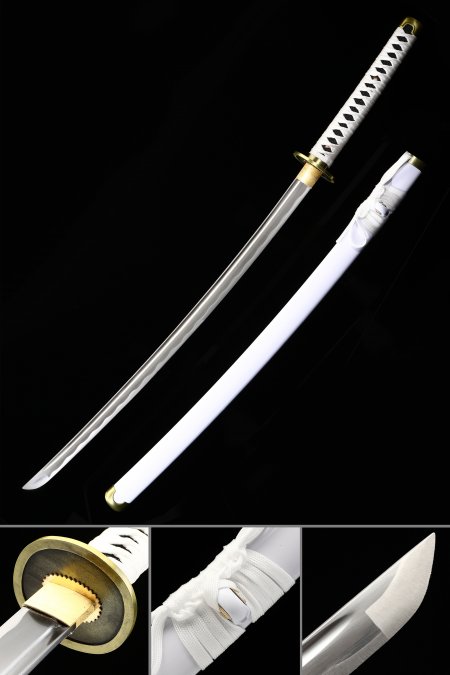
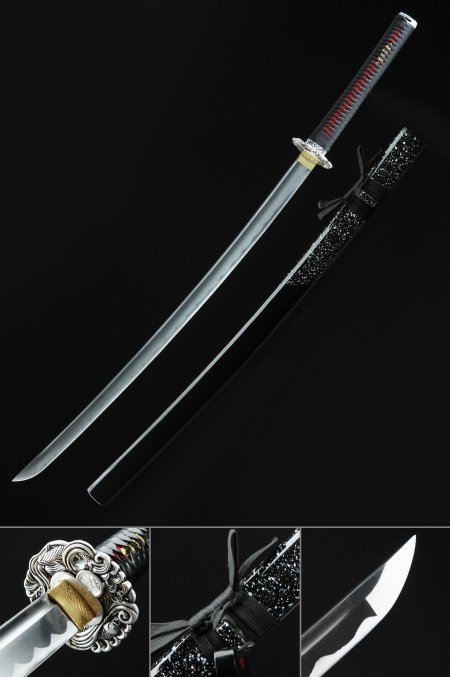
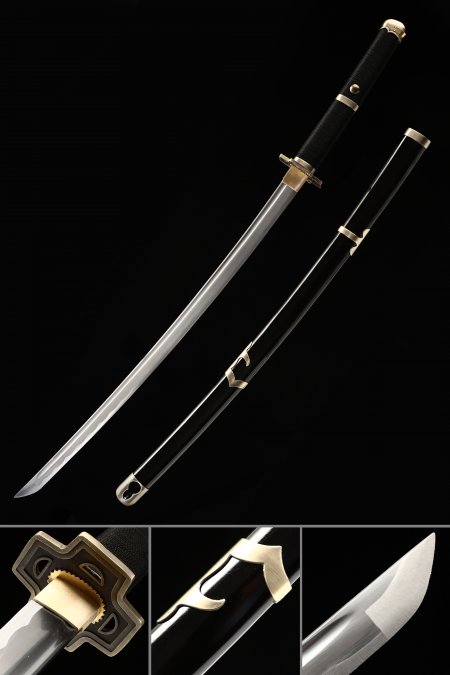
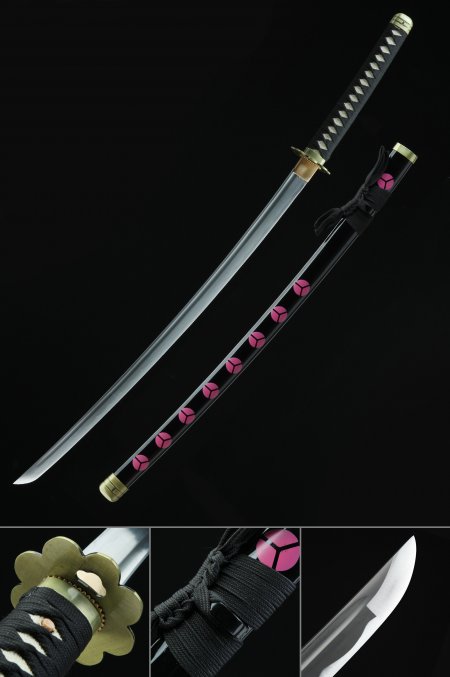
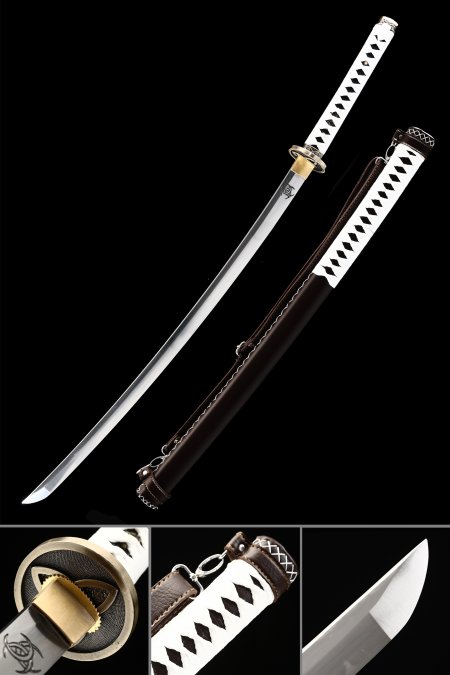
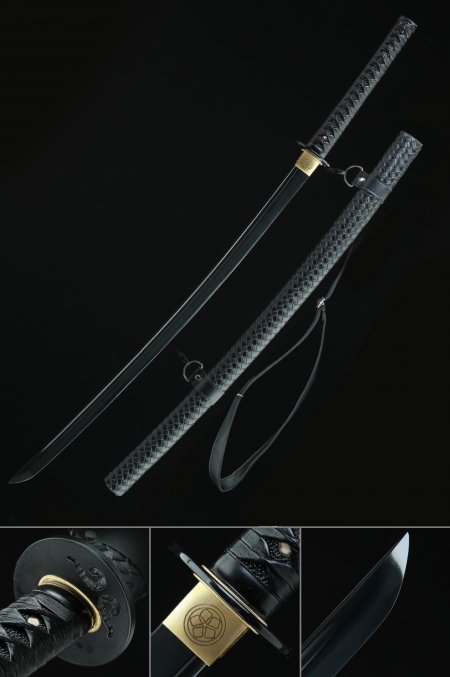
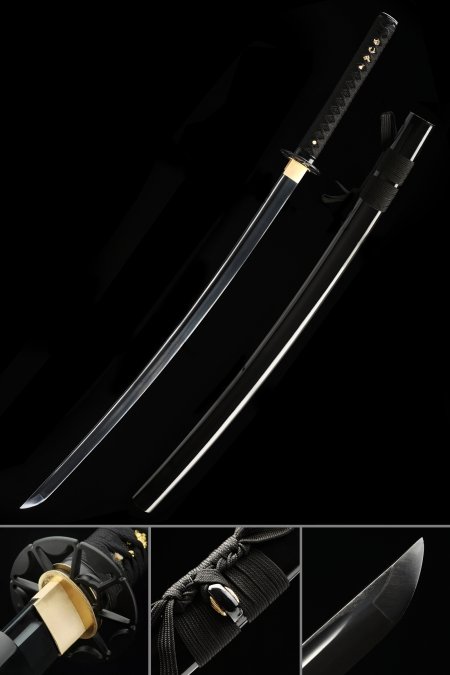
Inspect four things. First, the hamon temper line: on a properly clay-tempered blade, the hamon should have natural variation and organic character. Machine-etched or painted hamon lines appear uniform and lack depth. Second, the tang: remove the mekugi pin and slide the handle off to inspect the tang. It should be a flat, tapered extension of the blade steel with file marks and a rough forged surface. Third, the fittings: check that the habaki collar fits snugly, the tsuba sits flush, and the handle wrapping is tight with no loose spots. Fourth, balance: a well-made katana balances about 10 to 15 cm forward of the guard and should feel controlled, not blade-heavy.