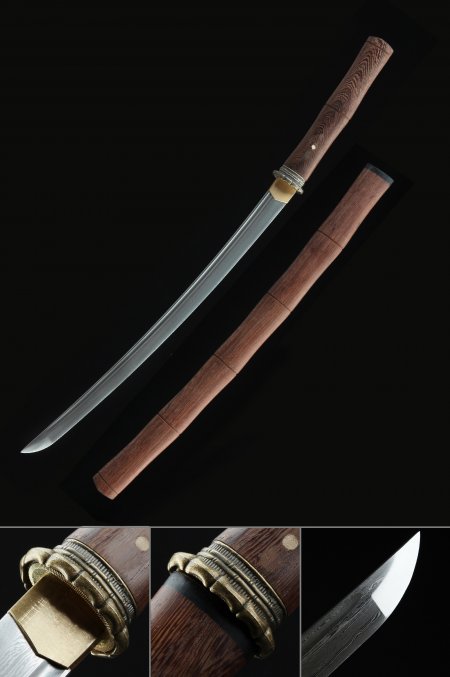
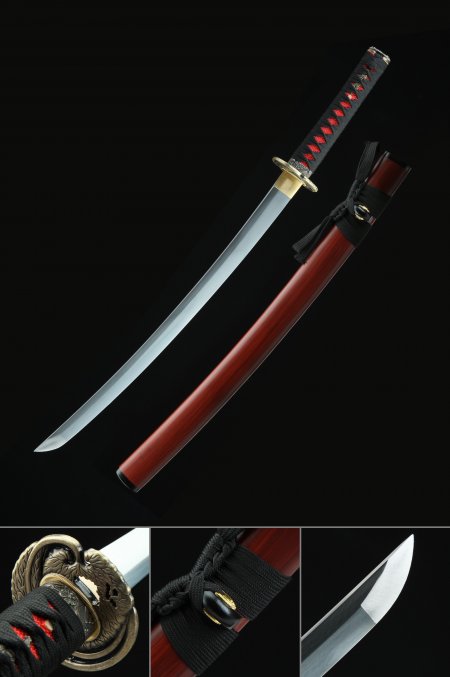
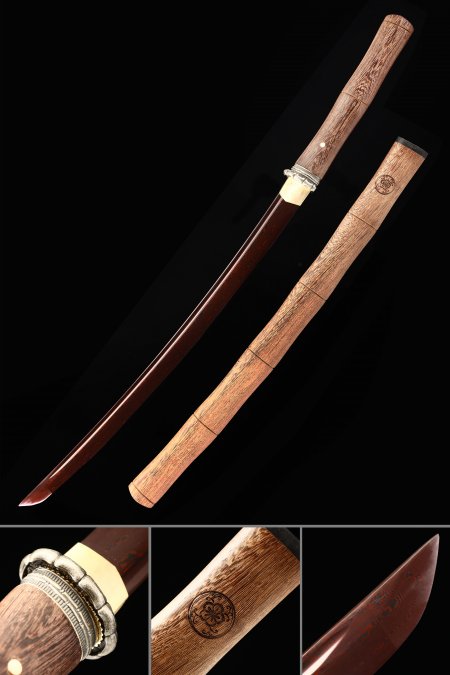
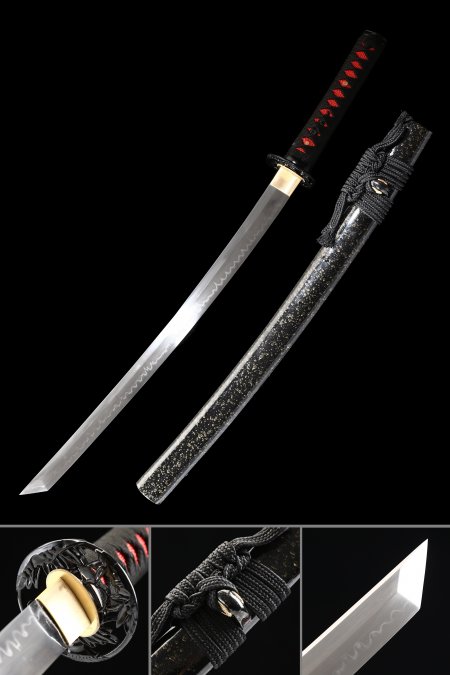
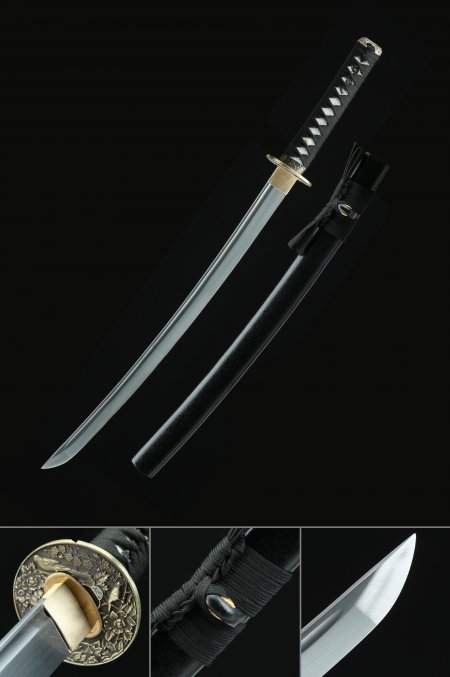
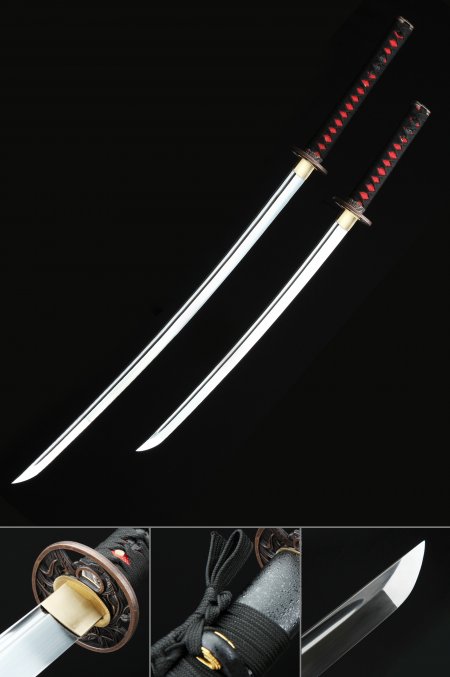
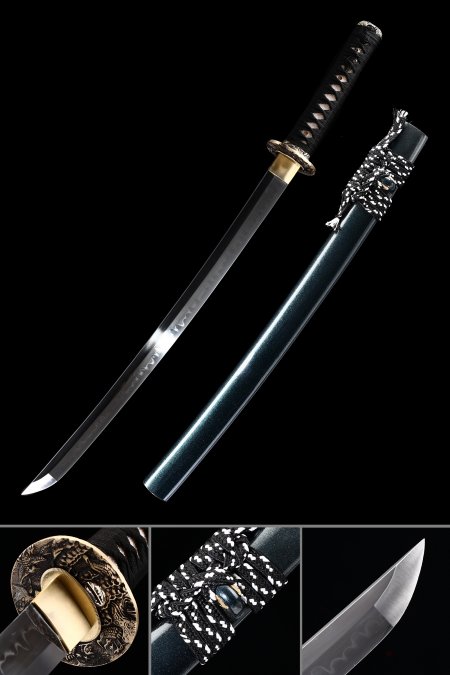
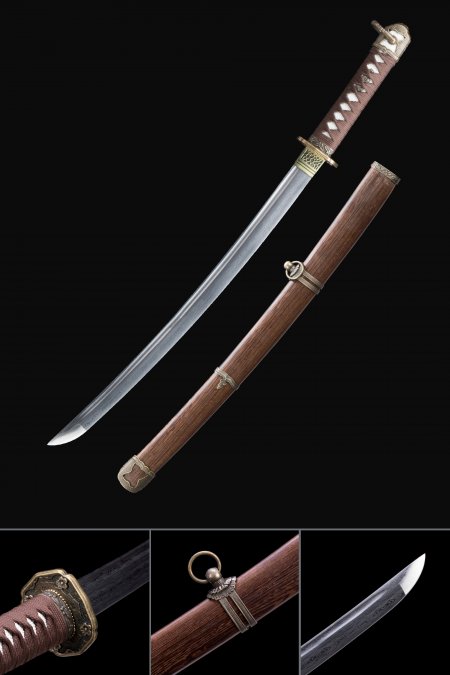
The katana was central to samurai identity from the Muromachi period (1336–1573) onward. It served as the primary sidearm for infantry combat, replacing the older tachi as warfare shifted from mounted cavalry to ground-level engagements. Beyond its practical function, the katana was a symbol of the samurai’s social status and moral character. The bushido code closely associated the sword with the warrior’s honor, and the quality of one’s katana reflected their standing within the samurai hierarchy. The tradition of carrying paired swords (daisho) — a katana with a shorter wakizashi — became the exclusive privilege of the samurai class during the Edo period, further cementing the katana as the defining emblem of Japan’s warrior tradition.